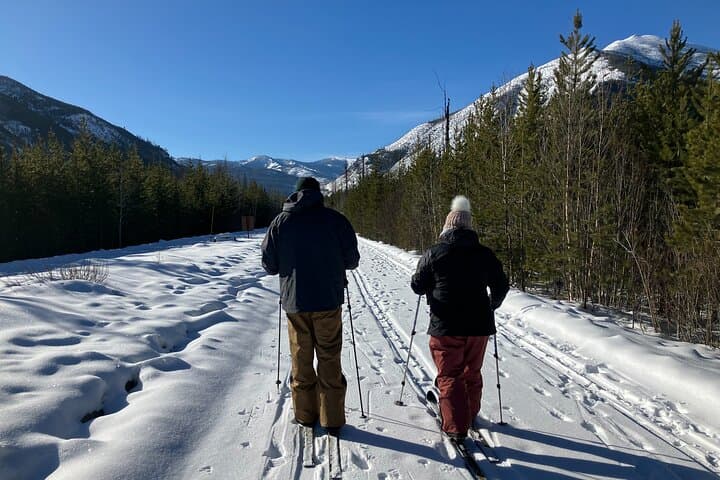
Wilderness Landscape & Natural Heritage
Teton River Conservation Easements comprise a network of privately held lands where legal agreements ensure the preservation of vital habitats along the Teton River corridor in northwestern Montana. These easements primarily safeguard riverbanks, wetlands, and floodplains that are essential for maintaining water quality, supporting fish populations including native trout species, and providing breeding grounds for numerous bird species. The Teton River itself flows approximately 65 miles before joining the Marias River, passing through rolling valleys and agricultural lands. Historically, this area supported Indigenous peoples and later ranching communities, with conservation efforts ramping up in recent decades to address habitat loss and river health. Outdoor enthusiasts are drawn to the region's quiet, scenic riverbanks for fly-fishing, birdwatching, and limited hiking opportunities on adjacent public lands. The conservation easements prevent development and preserve open spaces, benefiting trout fisheries and native wildlife such as elk, deer, and migratory waterfowl. Though these easement areas are typically not developed for recreational infrastructure, their protection helps maintain the natural character and ecological integrity of the Teton River watershed. Visitors can experience tranquil landscapes, often spotting bald eagles or osprey fishing along the river, while supporting ongoing conservation that sustains the river ecosystem. The partnerships between landowners, conservation organizations, and state agencies highlight a collaborative approach to protecting critical habitats in this rural region of Montana.