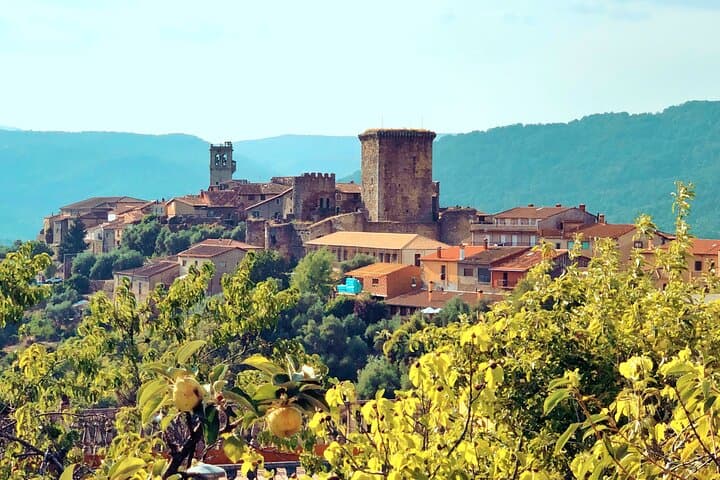
Wilderness Landscape & Natural Heritage
The Sierra de Villuercas Protected Landscape is situated in the southern part of the Extremadura region of western Spain. This mountainous area is part of the greater Montes de Toledo mountain system, characterized by rugged limestone peaks, deep valleys, and dense Mediterranean forests dominated by holm oak and cork oak trees. The terrain reaches elevations above 1,600 meters, with the Pico Villuercas being the highest point. The geology is notable for karst formations, caves, and unique rock shapes that attract geologists and outdoor enthusiasts alike.
Ecologically, the area is a biodiversity hotspot hosting a wide array of flora and fauna endemic to the Iberian Peninsula, including Iberian lynx, wild boar, roe deer, and numerous bird species, such as black vultures and griffon vultures. The landscape supports a mix of Mediterranean and Atlantic influences, contributing to its rich ecosystems. Historically, the Sierra de Villuercas region is dotted with ancient villages, Roman remains, and hermitages that underscore its cultural importance.
Visitors to the protected landscape enjoy hiking along well-marked trails that traverse forests, rocky peaks, and river valleys. The area is popular for birdwatching, nature photography, mountain biking, and exploring traditional rural architecture. The nearby historical town of Guadalupe, a UNESCO World Heritage site, enhances the visitor experience with its famous monastery and cultural events. The Sierra de Villuercas offers a tranquil natural refuge from urban centers, combining outstanding natural beauty with cultural richness.