Wilderness Landscape & Natural Heritage
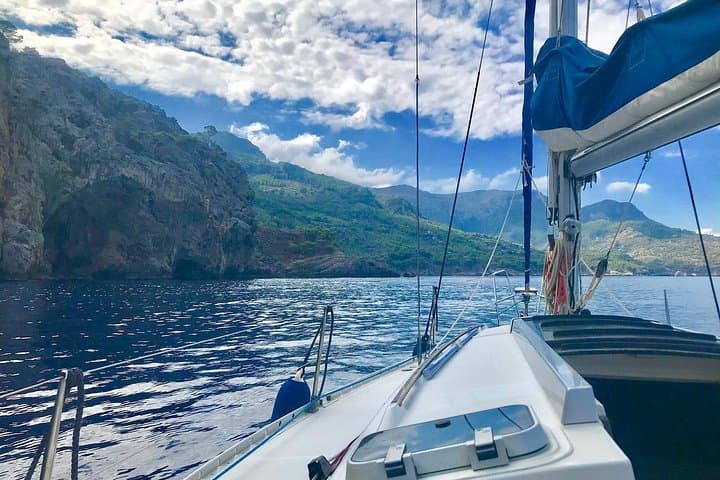
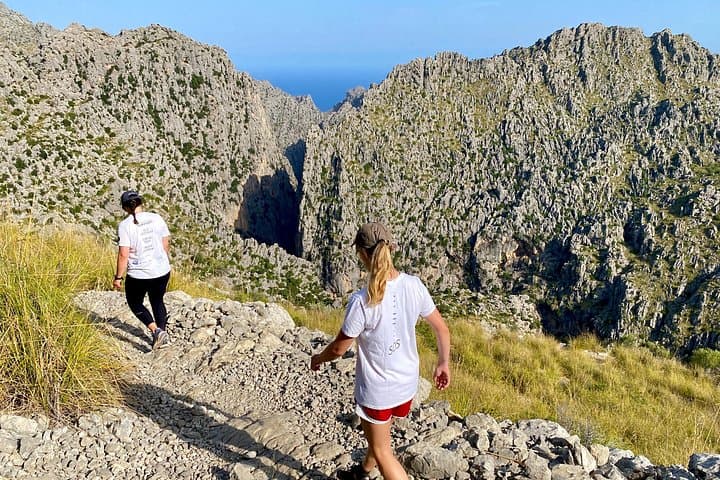
Serra de Tramuntana Natural Park stretches along the northwest coast of Mallorca, forming a striking mountain range that rises sharply from the Mediterranean Sea. The park extends over approximately 90 kilometers and is characterized by dramatic limestone peaks, deep ravines, and lush valleys. The highest peak, Puig Major, reaches 1,445 meters and presents spectacular views across the island and out to sea. The park is a mosaic of natural and cultural features, including centuries-old dry-stone terraces and historic irrigation channels (known locally as 'séquies'), showcasing the traditional agricultural practices of Mallorca.
Ecologically, Serra de Tramuntana supports a rich diversity of flora and fauna, with many endemic and rare species, including the Balearic lizard and several types of Mediterranean vegetation such as holm oaks, pines, and aromatic shrubs. The varied habitats—from rugged cliffs to forested slopes and cultivated land—make it an important refuge for biodiversity in the Balearic Islands.
Historically, the area has been inhabited since the Bronze Age, with archaeological sites scattered throughout the park. The cultural landscape was shaped notably by Moorish agricultural systems introduced during medieval times. Today, the park serves as a hub for outdoor recreation, with a network of well-marked hiking trails, including sections of the GR 221 'Dry Stone Route,' which attracts trekkers keen to explore both natural beauty and rural heritage.
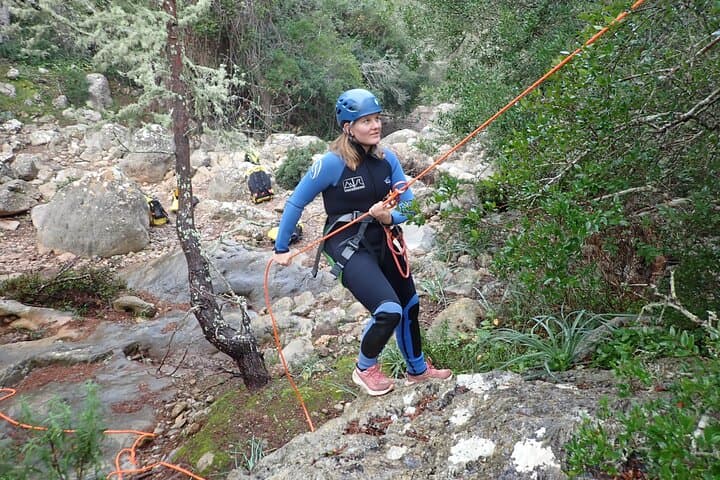
Visitors enjoy activities such as hiking, cycling, rock climbing, and birdwatching. Charming villages like Valldemossa and Deià offer cultural and culinary delights, complementing the natural experience. The park’s blend of stunning landscapes, historical richness, and recreational opportunities makes it a treasured destination for nature lovers and adventure travelers alike.