Wilderness Landscape & Natural Heritage
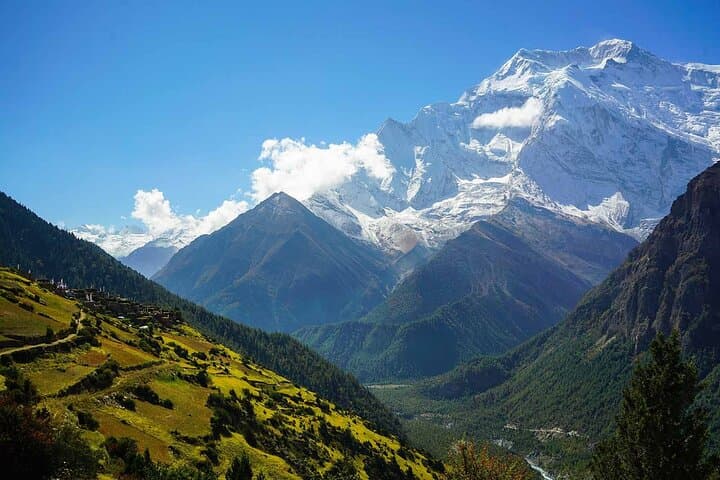
Sagarmatha National Park, established in 1976 and designated as a UNESCO World Heritage Site in 1979, covers a rugged area in the eastern Himalayan region of Nepal. Spanning elevations from approximately 2,845 meters to the summit of Mount Everest at 8,848 meters, the park includes some of the highest terrain on Earth. It extends over 1,148 square kilometers and features dramatic landscapes, including towering peaks, deep valleys, glaciers, and alpine forests. The park is home to diverse flora such as rhododendrons, juniper, and birch, and fauna including the elusive snow leopard, red panda, Himalayan tahr, musk deer, and numerous bird species like the Himalayan monal pheasant. The Sherpa culture and traditional villages, including Namche Bazaar, provide rich opportunities to learn about the indigenous people and their history of mountaineering. Key recreation opportunities focus on trekking and climbing, with popular routes culminating at Everest Base Camp, offering breathtaking views of iconic peaks such as Lhotse, Nuptse, and Ama Dablam. The park also attracts naturalists and photographers keen on observing rare wildlife and spectacular landscapes. Visitors can explore several trekking routes of varying difficulty, often crossing high mountain passes, glacial moraines, and alpine meadows. Sagarmatha's combination of natural beauty, cultural significance, and challenging outdoor activities continues to draw thousands of adventure travelers and mountaineers from around the world every year.