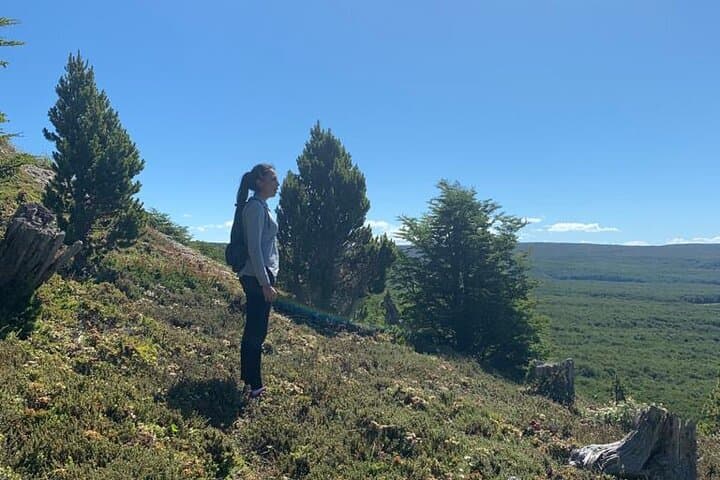
Wilderness Landscape & Natural Heritage
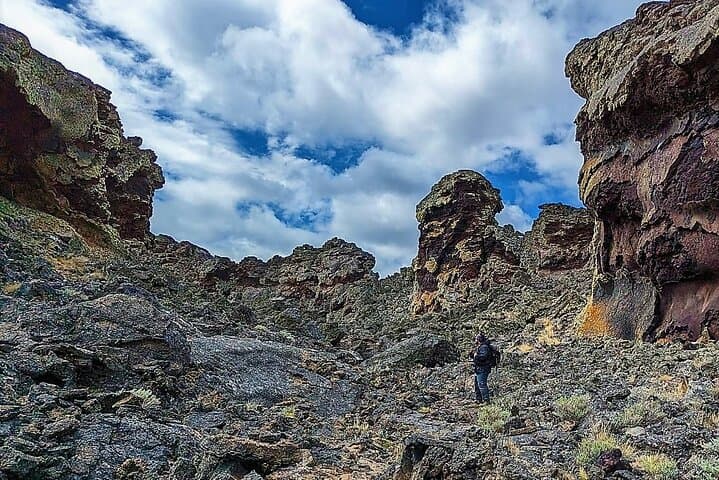
Reserva Nacional Pali Aike sits on the Patagonian Steppe in the Magallanes Region of southern Chile, encompassing a rugged volcanic field characterized by lava flows, maar craters, and basaltic formations shaped by ancient volcanic activity. Covering an area dominated by the Pali-Aike volcanic field, the reserve protects a distinct ecosystem of grasslands and shrublands adapted to the harsh, windy, and arid Patagonian climate. It holds deep archaeological importance due to evidence of some of the oldest known human settlements in the Americas, including stone tools and hearths dating back over 10,000 years, representing early prehistoric hunter-gatherer cultures. Visitors are drawn to the reserve for hiking across surreal volcanic terrain, wildlife observation of native species such as guanacos, Andean condors, and Darwin’s rhea, and the chance to appreciate the stark natural beauty far from urban centers. Key landmarks include crater lakes and lava caves, which invite exploration and photography in an extraordinarily raw environment. The reserve’s remoteness affords a sense of solitude and connection to a uniquely ancient landscape rarely found elsewhere on the planet. Camping is minimal, focusing on primitive backcountry experiences, while interpretative signage helps visitors grasp both the natural and cultural heritage of the area. The reserve provides a fascinating destination for geologists, archaeologists, and adventurous travelers seeking wild Patagonian vistas and a glimpse into human prehistory.