About this landmark
Scenic Passage: Strait of Magellan, Chile
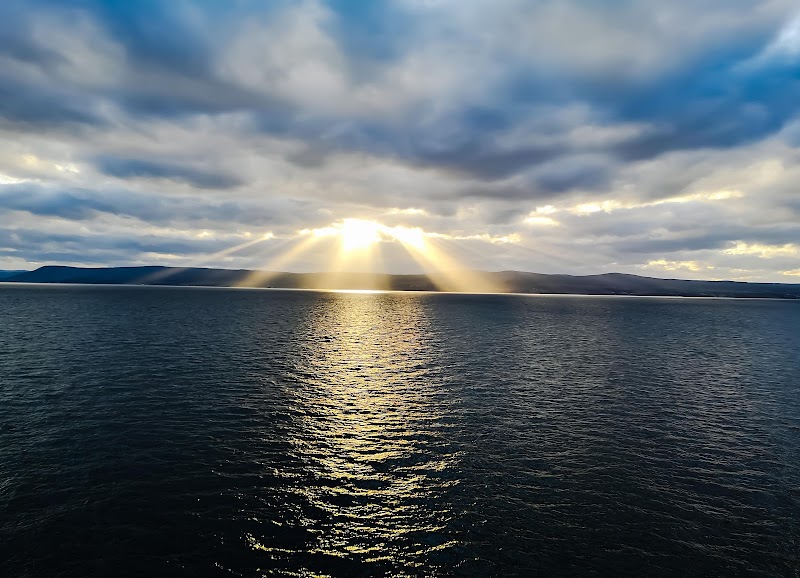
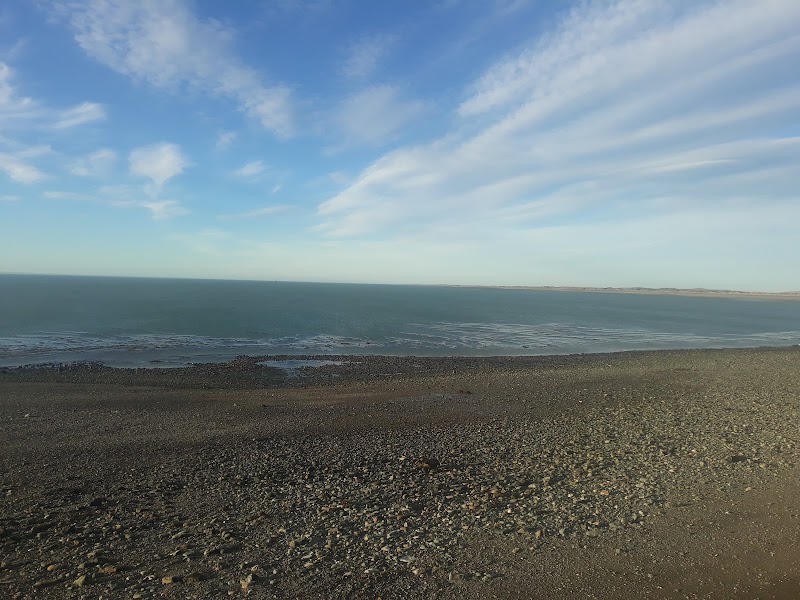
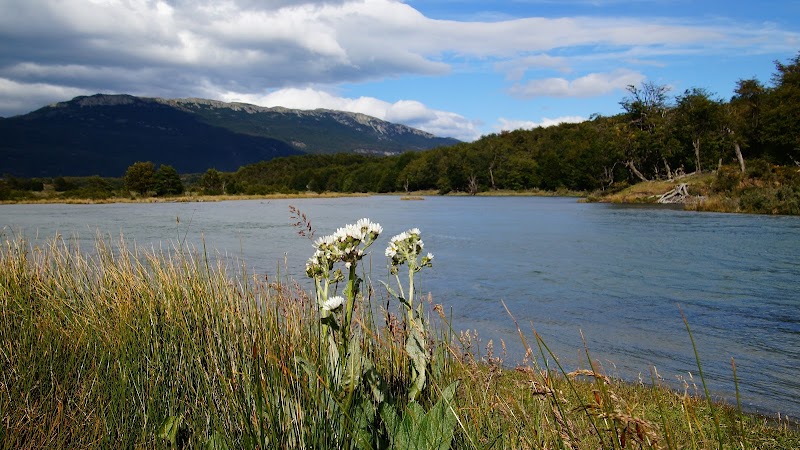
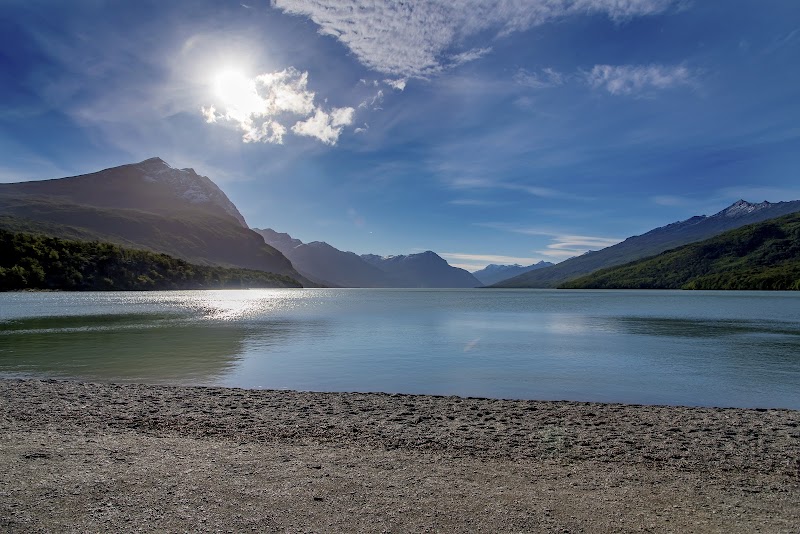
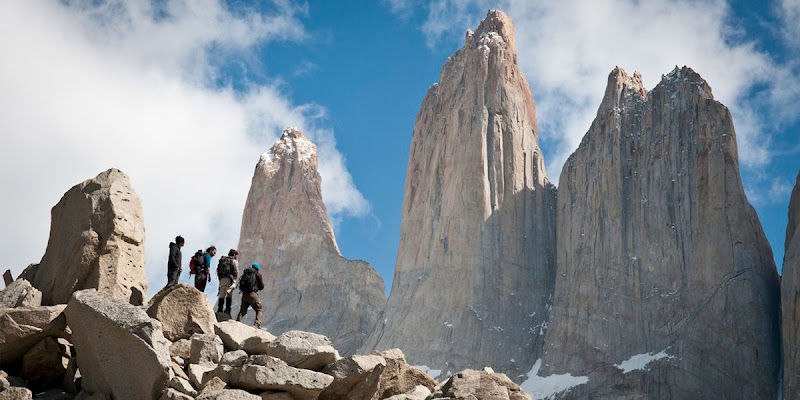
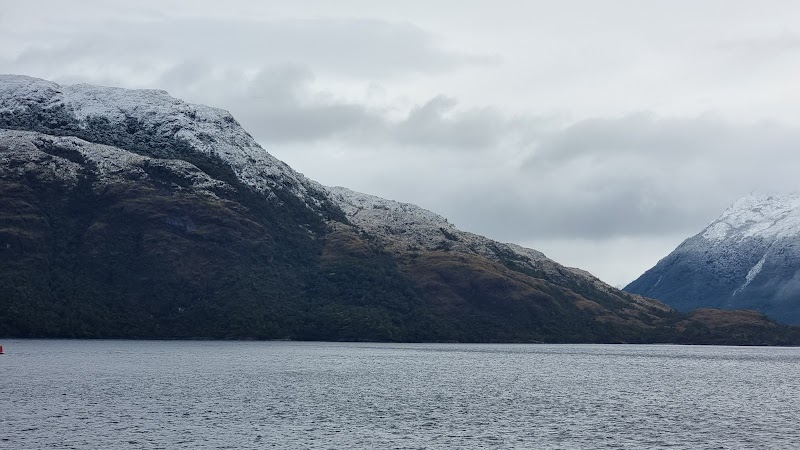
The Strait of Magellan is a striking natural waterway located at the southern tip of Chile, acting as a marine passage between the Atlantic and Pacific Oceans. Stretching over 580 kilometers, this strait winds its way through fjords and rugged coastlines, creating a dramatic landscape marked by steep cliffs and snow-capped peaks. Unique in its geography, it serves as an essential shipping route and offers breathtaking views that have captivated travelers for centuries. The area’s cool, often windy climate shapes a distinct environment where marine life thrives, including colonies of Magellanic penguins, sea lions, and various seabirds that attract nature lovers.
Beyond its natural beauty, this strait carries significant historical weight. Discovered in 1520 by the Portuguese explorer Ferdinand Magellan during his quest to find a western route to the Spice Islands, the channel quickly became vital for navigation before the Panama Canal existed. Its unpredictable weather and strong currents challenged even the most skilled sailors, adding to the region’s intrigue.
Visitors to the Strait of Magellan can witness glacier fields from distant peaks, contrasting sharply with the deep blue waters. Punta Arenas, the main Chilean city on the strait’s banks, serves as a cultural and logistical hub with museums highlighting regional history and opportunities to see local wildlife up close. Each view and experience here offers a striking combination of raw wilderness and centuries-old maritime heritage, making the Strait of Magellan a standout destination in Patagonia’s far south.
Adventure Guide to Strait of Magellan
Punta Arenas
- What makes it special: The primary gateway town to the strait known for vibrant city life, historical museums, and nearby wildlife sites.
- Key features: Museo Nao Victoria, penguin tours, local Patagonian cuisine.
- Local Insights: Punta Arenas is key to understanding the strait’s history and regional culture, blending indigenous roots with European influences.
- Visitor Tips: Best to visit from late spring to early fall (November to March) when weather conditions are milder. Bring layered clothing and windproof jackets.
- Directions: Approximately a 3-hour drive southwest from Torres del Paine National Park.
Magdalena Island
- What makes it special: Famous for one of the largest Magellanic penguin colonies in the world.
- Key features: Easy hiking trails, guided wildlife tours, pristine natural surroundings.
- Local Insights: Conservation efforts ensure visitors can observe penguins without disturbing their habitat. Seasonal visits highlight breeding behaviors.
- Visitor Tips: Morning or late afternoon visits avoid crowds and offer better light for photographs. Wear sturdy shoes and wind protection.
Cape Froward
- What makes it special: The southernmost point of mainland South America, offering dramatic coastal views.
- Key features: Cliffside hiking paths, birdwatching hotspots, panoramic strait vistas.
- Local Insights: A challenging hike but rewarding for those seeking solitude away from more populated areas. Often windy and chilly even in summer.
- Visitor Tips: Ideal for experienced hikers prepared with waterproof gear and layered clothing. Carry a camera and take time to absorb the vast landscape.
Visiting the Strait of Magellan blends historical significance with raw natural beauty and offers outdoor activities that suit both casual travelers and adventure seekers. Always prepare for rapidly changing weather and enjoy one of the Southern Hemisphere’s most compelling maritime regions.
Visitor Tips
- Best Times:November to March for favorable conditions and optimal lighting.
- What to Bring:Plenty of water, sun protection, a camera, and respectful Leave-No-Trace mindset.