Wilderness Landscape & Natural Heritage
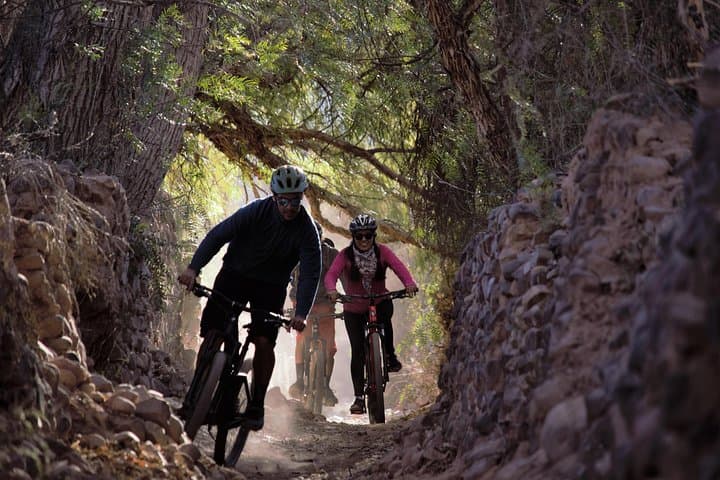
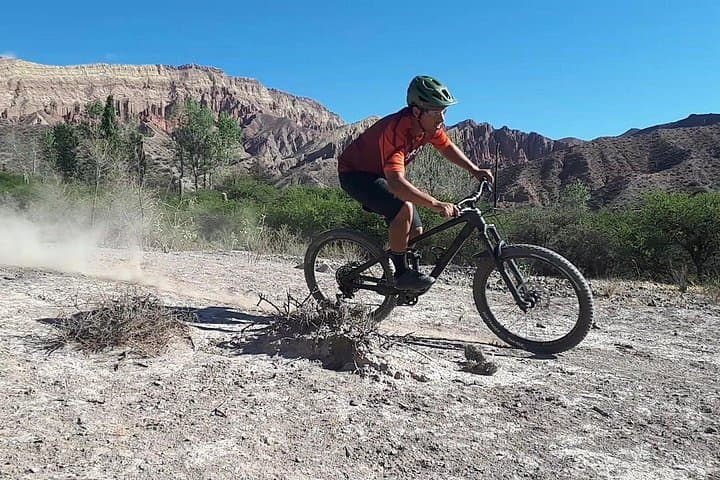
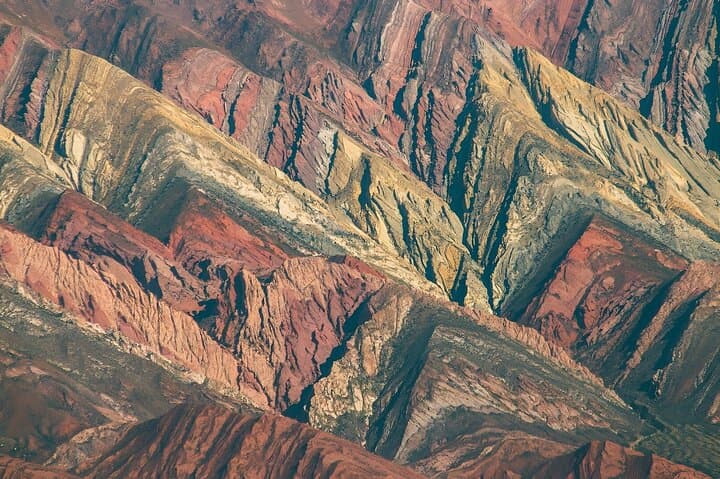
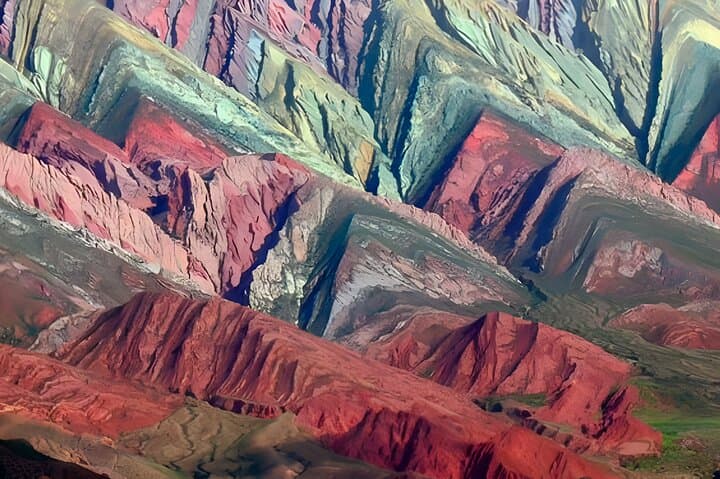
Located in the province of Jujuy, Argentina, the Quebrada de Humahuaca is a narrow mountain valley carved by the Grande River, stretching approximately 155 kilometers between the towns of La Quiaca and Volcán. The area is recognized as both a UNESCO World Heritage Site and a Biosphere Reserve due to its outstanding natural beauty, geological formations, and cultural history. The landscape features unique rock formations, vivid layered hills such as the famous Cerro de los Siete Colores (Hill of Seven Colors), and arid high-altitude desert ecosystems. This region has been continuously inhabited for over 10,000 years, with evidence of ancient indigenous cultures and Incan trade routes. Visitors can explore historic towns like Purmamarca, Tilcara, and Humahuaca, each offering traditional markets, archaeological ruins such as Pucará de Tilcara, and colonial architecture. The Quebrada provides extensive opportunities for hiking, mountain biking, bird watching, and photography. Rock climbing areas are available but less developed compared to other Argentine destinations. The area's cultural landscape is enriched by indigenous festivals and traditional agricultural practices. The climate is typically dry with significant temperature variations between day and night, supporting unique flora and fauna adapted to high-altitude conditions. Quebrada de Humahuaca appeals to travelers seeking a mix of outdoor adventure, cultural immersion, and scenic vistas.