Wilderness Landscape & Natural Heritage
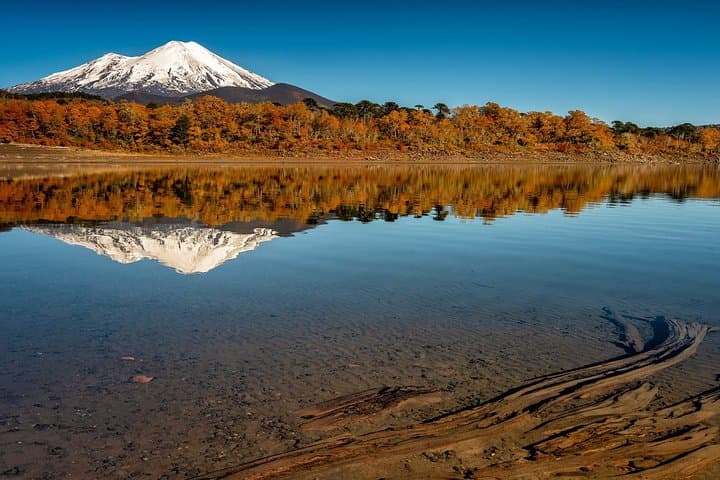
Situated in the Andes Coastal Range of the Araucanía Region in southern Chile, Nahuelbuta National Park protects one of the southernmost remnants of the native Araucaria araucana, commonly called monkey puzzle trees, a species considered sacred by the indigenous Mapuche people. Established in 1939, the park encompasses rugged mountains reaching elevations up to 1,554 meters (Cerro Nahuelbuta) and deep valleys covered by dense Valdivian temperate rainforest. The park's geography features steep slopes, volcanic soils, and fast-flowing streams that create a vibrant ecosystem for many endemic and endangered species such as the pudú (the world's smallest deer), kodkod wildcat, and various native birds. Visitors to Nahuelbuta enjoy extensive hiking trails weaving through ancient forests and leading to lookout points with breathtaking views of the Pacific Ocean and the surrounding Araucanía countryside. The park offers opportunities for camping, birdwatching, mountain biking, and cultural appreciation of the Mapuche heritage. Notable landmarks include the giant Araucaria groves, Cerro Piedra del Águila lookout, and several archaeological sites with petroglyphs. Its mixture of biodiversity, stunning landscapes, and cultural significance make Nahuelbuta a unique place for ecotourism and outdoor adventure in Chile.