Wilderness Landscape & Natural Heritage
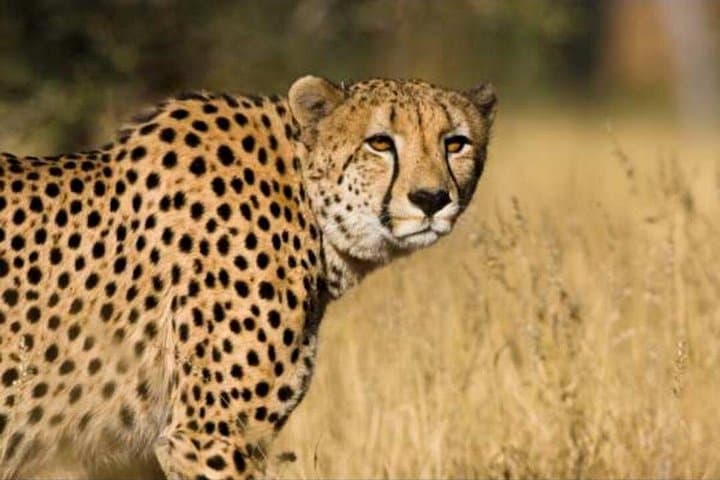
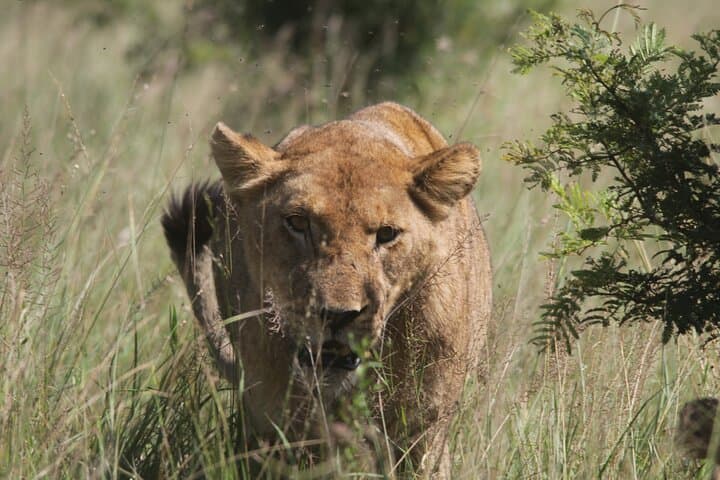
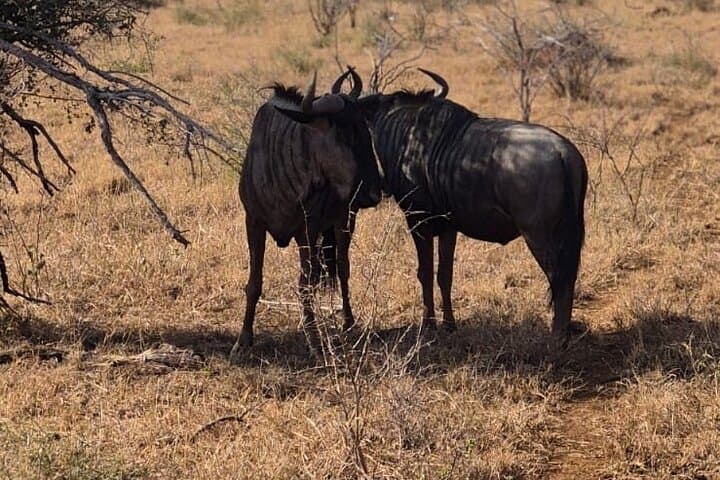
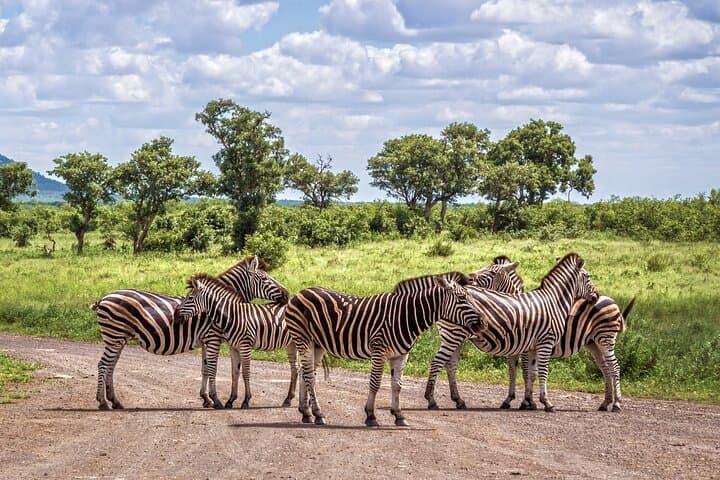
Kruger National Park, covering nearly two million hectares across Limpopo and Mpumalanga provinces, is one of Africa's largest and most famous game reserves. The park's geography ranges from arid savanna and acacia woodlands to riverine forests and granite outcrops, supporting diverse plant and animal life. Home to the iconic Big Five—lion, leopard, elephant, buffalo, and rhinoceros—Kruger also shelters rare species such as African wild dogs and pangolins. Established in 1898 to protect wildlife and prevent poaching, it has since evolved into a leading conservation and ecotourism destination.
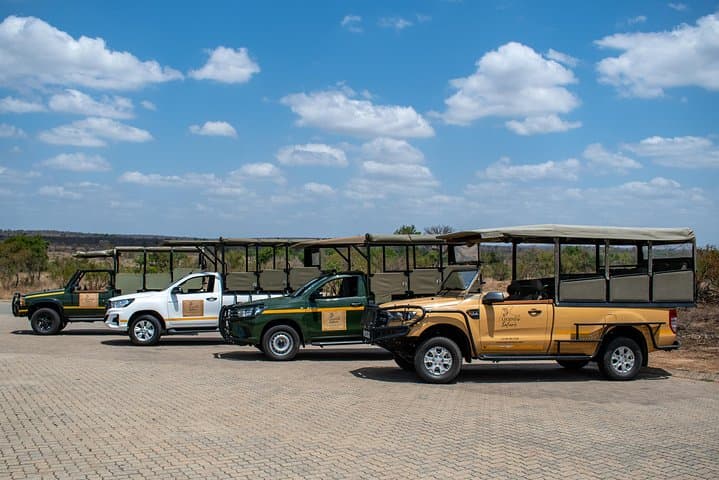
Visitors can explore Kruger by self-driven game drives, guided safaris, or walking safaris operated by experienced rangers. The park is crisscrossed by well-maintained roads and designated trails, providing access to numerous waterholes and hides, ideal for wildlife viewing and photography. Bird enthusiasts can spot over 500 species, including the martial eagle and the lilac-breasted roller. Notable landmarks include the Satara and Olifants rest camps, the Blyde River Canyon nearby, and historical sites such as Masorini Iron Age settlement.
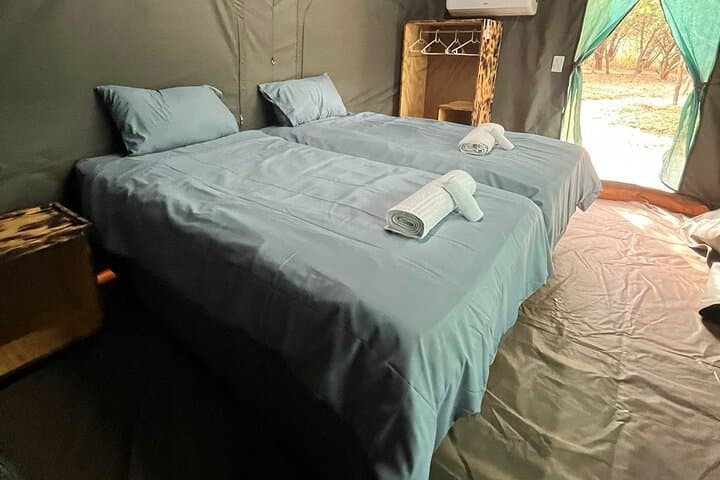
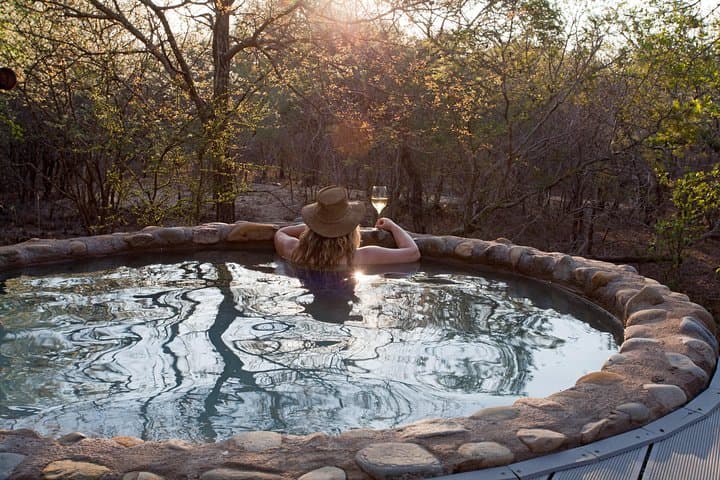
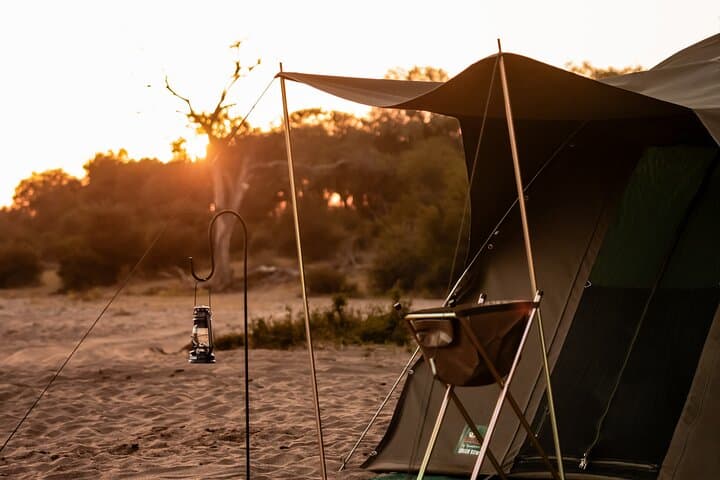
Kruger's facilities range from luxury lodges to rustic campsites, ensuring options for varied budgets and interests. The park's rich biodiversity, combined with educational visitor centers and interpretive programs, appeals to both first-time safari-goers and seasoned conservationists. Kruger National Park remains a vital stronghold for ecosystem preservation and a centerpiece of South Africa's tourism economy.