Wilderness Landscape & Natural Heritage
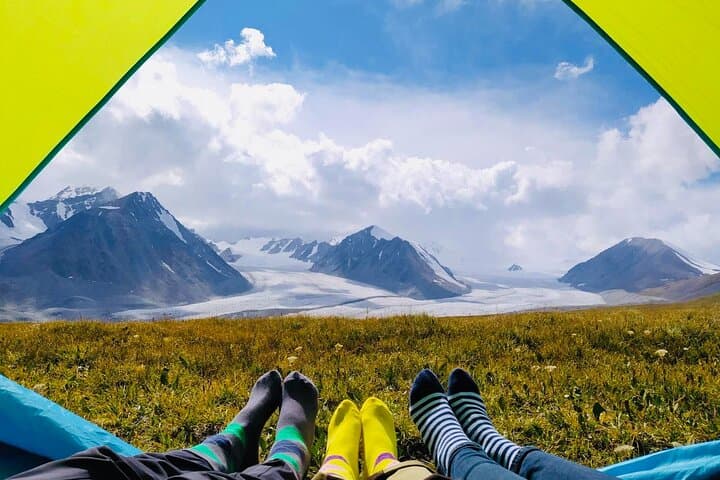
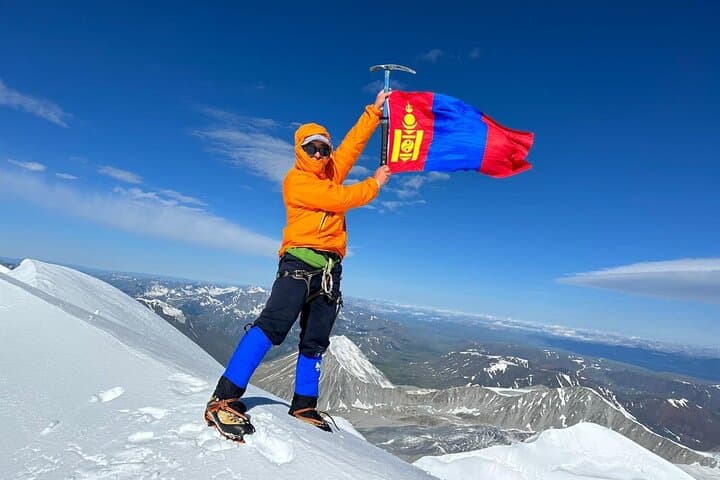
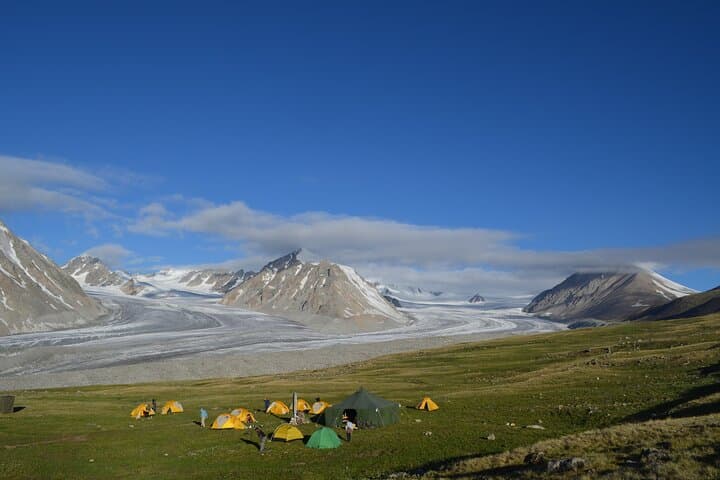
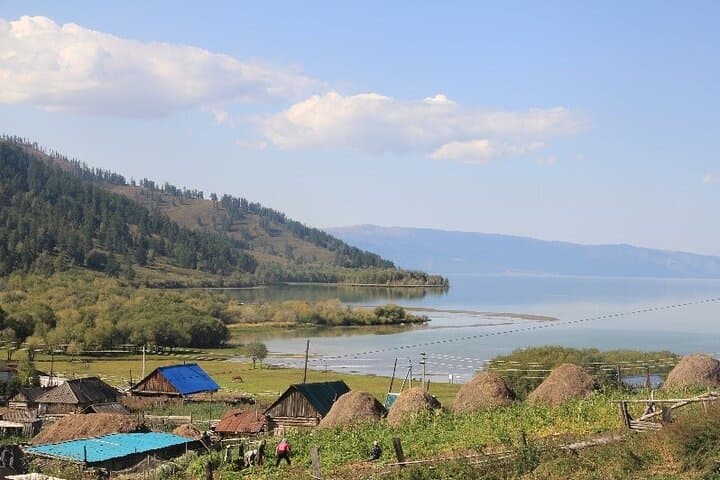
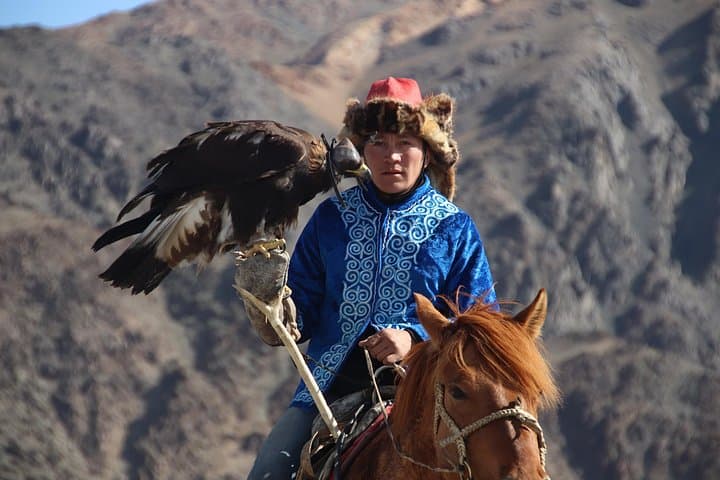
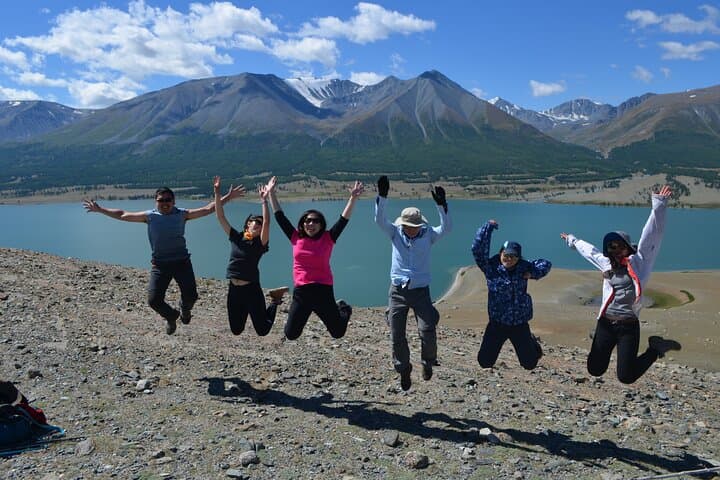
Established in 1991, Katun Nature Reserve (Katunsky Zapovednik) spans a vast mountainous region in the Altai Republic of Russia, encompassing a significant portion of the Katun River basin. The reserve protects a mosaic of landscapes including alpine meadows, dense coniferous and mixed forests, glacier-fed rivers, and high-altitude tundra habitats. Elevations vary dramatically, from around 1,000 meters to over 4,000 meters at Belukha Mountain, the highest peak in Siberia. Due to its location at the intersection of Siberian, Central Asian, and Arctic floral and faunal zones, the reserve supports a diverse range of species, including endangered ones such as the snow leopard, Altai argali, Siberian ibex, and elusive lynx. Historically, the area holds cultural significance for indigenous Altai people and features ancient archaeological sites and sacred landscapes. Recreationally, Katun Nature Reserve is a sought-after destination for hardcore mountaineers, alpine hikers, wildlife enthusiasts, and scientific researchers. Visitor access is highly regulated to minimize human impact, allowing only guided tours and limited scientific expeditions. Notable landmarks include the glaciers and peaks of the Belukha Massif, the pristine Katun River valley, and old-growth cedar forests. The reserve also functions as an important water source and climate regulator for the region. Despite challenges from climate change and increasing tourism interest, Katun Nature Reserve remains a vital stronghold of Siberia’s natural heritage and breathtaking mountain wilderness.