Wilderness Landscape & Natural Heritage
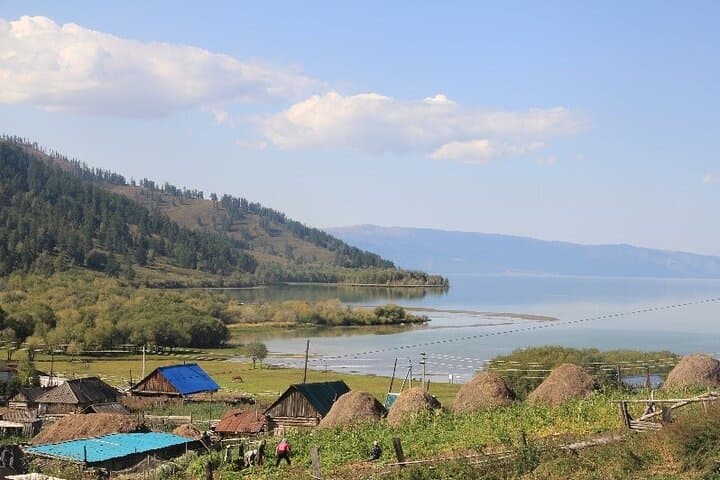
The Irtysh River Valley wetlands stretch along the middle and lower reaches of the Irtysh River, which flows from the Altai Mountains in China through Kazakhstan before joining the Ob River in Russia. These wetlands consist of expansive floodplains, marshes, oxbow lakes, and riparian forests. They serve as a crucial ecological corridor for migratory birds, fish spawning grounds, and diverse wetland flora and fauna. This complex ecosystem supports species such as the vulnerable Siberian crane, beavers, and numerous amphibians and fish species. Historically, the wetlands have been essential for local nomadic communities relying on the land for cattle grazing and fishing. The area’s hydrology is shaped by seasonal flooding, which replenishes nutrients and sustains the wetland habitats. Recreation here centers mostly on bird watching, fishing, and ecological tours as much of the area remains remote and undeveloped. Protected under regional conservation frameworks, these wetlands play an important role in water purification, flood mitigation, and biodiversity preservation across national borders. Visitors are drawn by the unique opportunity to experience untouched wetland dynamics and witness large flocks of waterfowl during migratory seasons. However, access is limited by ecological sensitivity and seasonal conditions, making sustainable travel essential. The Irtysh River Valley wetlands represent a rare natural sanctuary in a rapidly developing region and a critical refuge amid growing pressures from agriculture and infrastructure.