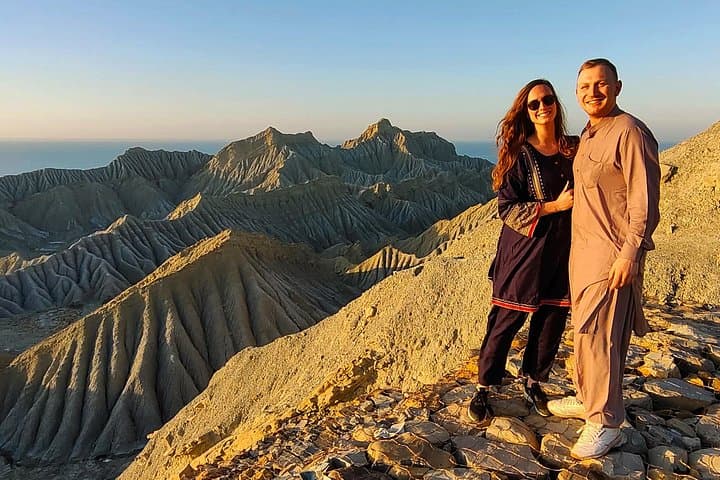
Wilderness Landscape & Natural Heritage
The Indus Delta is one of the largest river deltas in the world, located where the mighty Indus River meets the Arabian Sea. Covering an area of approximately 600,000 hectares, this delta consists of numerous creeks, mudflats, and mangrove forests, making it a vital ecological zone. The delta plays an essential role in maintaining marine biodiversity, providing critical habitats for various fish species, crustaceans, and birds, including several endangered species. Historically, the region has supported the livelihoods of local communities through agriculture and fishing. Over recent decades, the delta has faced significant environmental challenges, including reduced freshwater flows due to upstream water diversions, rising sea levels, and pollution. Despite these challenges, the Indus Delta remains a popular destination for bird watchers, researchers, and ecotourists interested in its unique environment and cultural heritage. Noteworthy attractions include visiting the extensive mangrove forests and observing the vibrant birdlife, especially during migratory seasons.