Wilderness Landscape & Natural Heritage
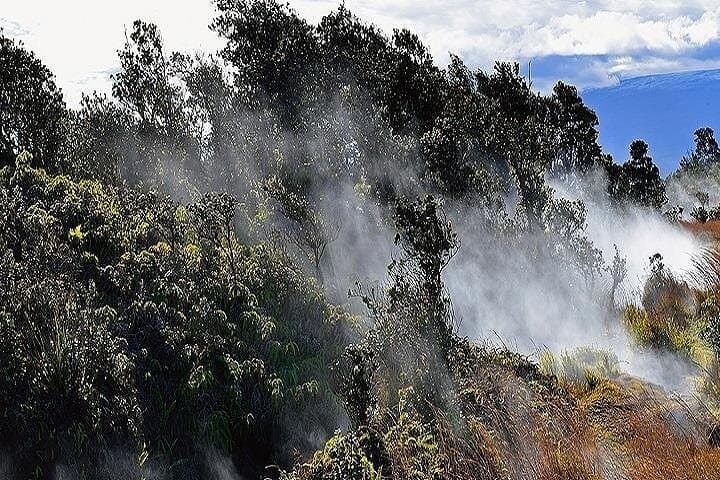
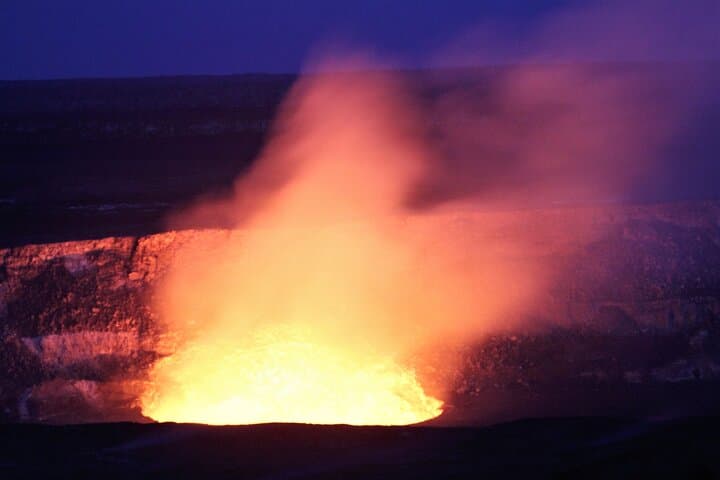
Hawaiian Volcanoes National Park, located on the Big Island of Hawaii, protects two of the world's most active volcanoes: Mauna Loa and Kīlauea. The park spans more than 330,000 acres and features dramatic volcanic landscapes, including lava flows, volcanic craters, and steam vents. Mauna Loa is the largest volcano on Earth by volume, while Kīlauea has been one of the most frequently erupting volcanoes in recorded history. The park’s diverse ecology ranges from tropical rainforests and dry forests to alpine deserts, supporting many native species such as the Nēnē goose and the rare Hawaiian honeycreepers. Historically, the area holds cultural significance for Native Hawaiians as the home of Pele, the volcano goddess, with many ancient petroglyphs and cultural sites scattered throughout the park. Visitors enjoy a broad range of activities including hiking across lava fields, exploring volcanic craters, stargazing atop Mauna Loa, and visiting the Kīlauea Visitor Center. Key landmarks include the jagged lava formations of the Chain of Craters Road, the Halemaʻumaʻu Crater, and the Thurston Lava Tube. The park's ever-changing volcanic activity provides a dynamic setting for education and outdoor adventure. Its accessibility from the town of Hilo makes it a popular destination year-round for visitors seeking to experience both active geological phenomena and rich Hawaiian cultural heritage.