About this landmark
Fiery Marvel: Kīlauea Volcano in Hawai‘i
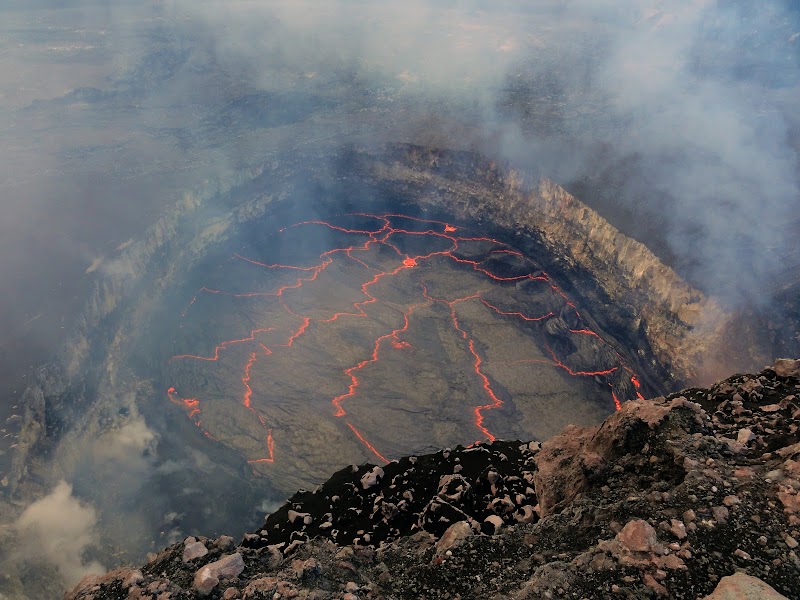
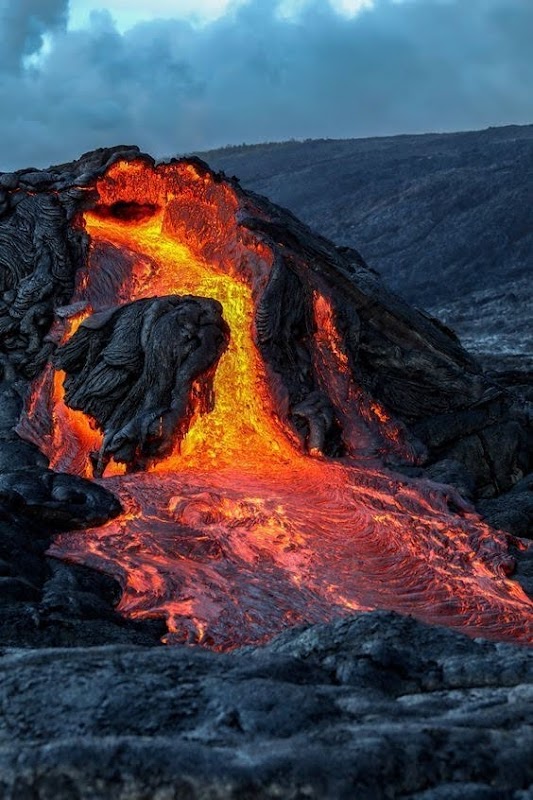
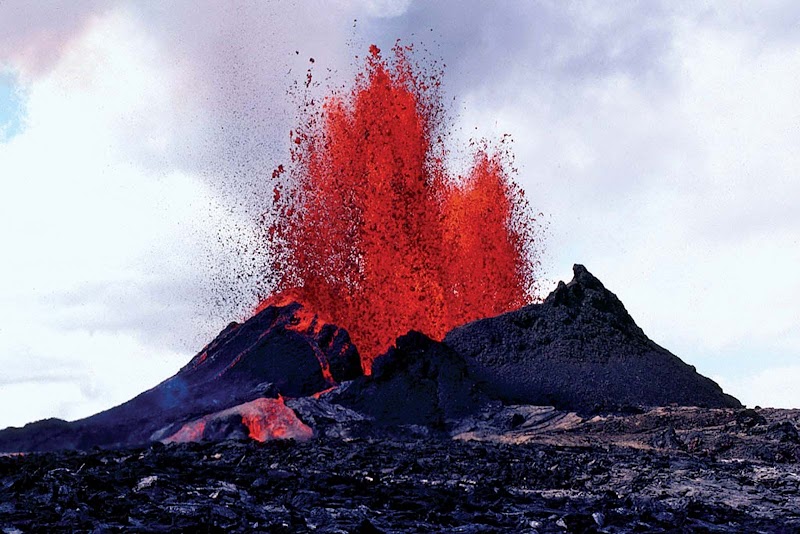
Kīlauea, located on Hawai‘i’s Big Island, stands as one of the planet’s most active volcanoes and an emblem of natural transformation. Situated within the Hawaii Volcanoes National Park, this volcanic giant commands attention with its frequent eruptions that cast bright reds and oranges against dense tropical greenery. Kīlauea constantly reshapes the landscape through its lava flows, offering visitors a rare chance to witness the ongoing creation of new land.
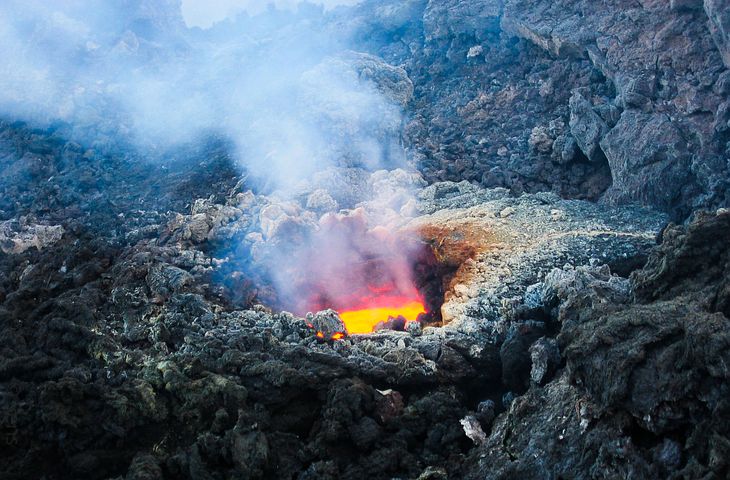
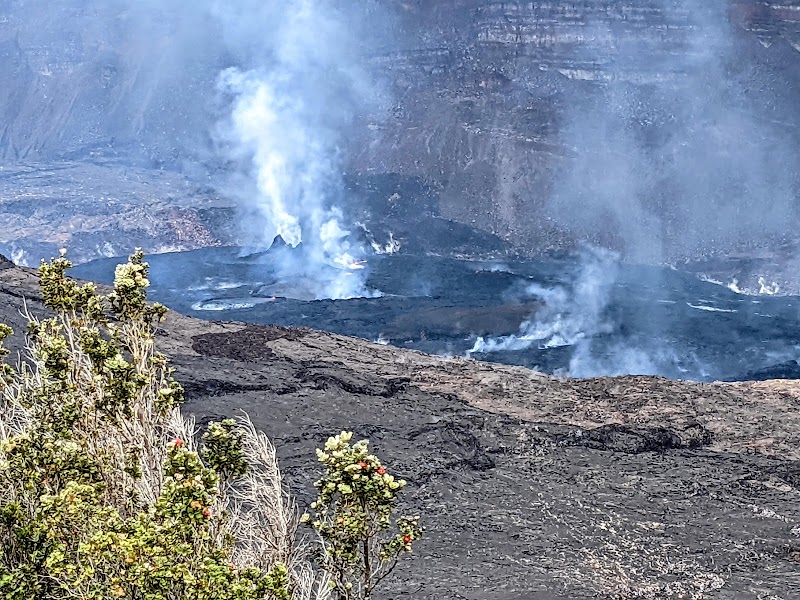
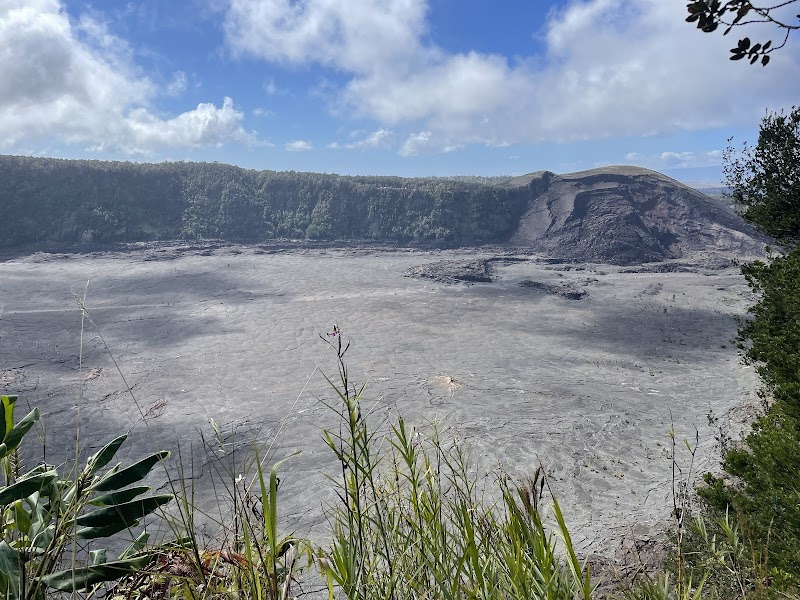
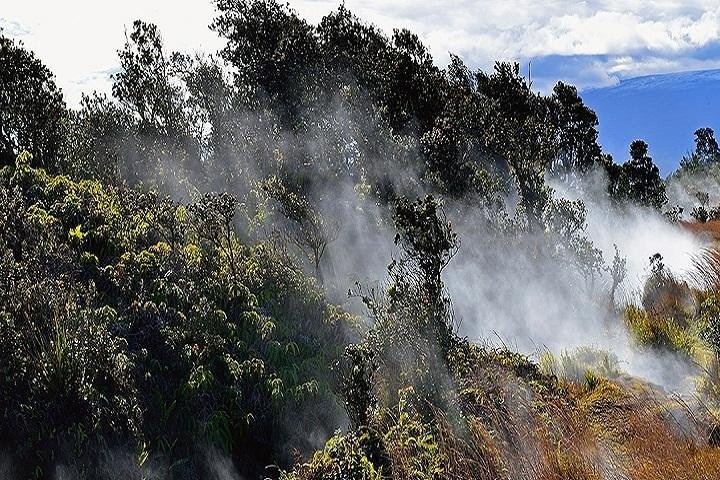
The volcano’s broad caldera and extensive lava fields are defining features of the area. Visitors often admire the rugged volcanic rock formations, hardened lava tubes, and steaming vents that demonstrate the dynamic geological processes below. The park’s well-marked trails and observation points provide safe access to these impressive sights.
Kīlauea also holds cultural significance for Hawaiians, who honor Pele, the goddess of fire believed to inhabit the volcano. This spiritual connection enriches the experience, emphasizing respect for the power and mystery of the land. Since the establishment of the national park in 1916, Kīlauea has become a pivotal location for both science and tourism.
Seasonal variations in volcanic activity mean visitors may see anything from gentle steam vents to spectacular lava fountains. Despite being accessible year-round, patience and preparation enhance the visit, especially since the landscape is ever-changing. Whether admiring panoramic views from the crater rim or hiking across lava fields, Kīlauea provides an unforgettable setting where nature’s force remains vividly on display.
Adventure Guide
Adventure Guide To Kīlauea
1. Crater Rim Drive
- What makes it special: A scenic drive that loops around the caldera, presenting stunning viewpoints and easy access to trails.
- Highlights: Major stops include Kīlauea Overlook, Devastation Trail, and Jaggar Museum.
- Visitor Tips: Make sure to check the park’s website for road conditions as some sections may close during volcanic activity.
2. Kīlauea Iki Trail
- What makes it special: This 4-mile loop trail descends into a cooled lava lake, walking directly across the old eruptions.
- Highlights: Experience steaming vents and lush tropical rainforest along the path.
- Visitor Tips: Start early to avoid midday heat and bring water and sturdy shoes.
3. Chain of Craters Road
- What makes it special: A winding drive that descends 3,700 feet and ends where lava has crossed the road.
- Highlights: Numerous hiking opportunities lead to ancient petroglyphs and coastal views.
- Visitor Tips: Bring binoculars for possible wildlife sightings and a flashlight for caving explorations in lava tubes.
General Visitor Information
- Best times to visit: Early morning or late afternoon for cooler temperatures and fewer crowds.
- What to bring: Sunscreen, water, snacks, and a camera.
- Driving directions: From Hilo, it's about a 45-minute drive via Mamalahoa Hwy.
Local Insights
- Cultural Tips: Engage with local stories of Pele and respect the sacredness of the land.
- Safety Tips: Stay informed about current lava flows and conditions through park updates.
Visitor Tips
- Best Times:Year-Round for favorable conditions and optimal lighting.
- What to Bring:Plenty of water, sun protection, a camera, and respectful Leave-No-Trace mindset.