Wilderness Landscape & Natural Heritage
Geoparque Villuercas-Ibores-Jara, located in the province of Cáceres within the Extremadura region of Spain, spans a diverse landscape characterized by its rugged mountain ranges, deep valleys, and exceptional geological formations dating back over 500 million years. The geopark is shaped by the Villuercas, Ibores, and Jara mountain ranges, which contribute to a varied topography that includes quartzite ridges, karstic formations, and extensive forests of holm oak and cork oak. This protected area is a hotspot for biodiversity, hosting rare and endemic plant species alongside wildlife such as Iberian lynx, wild boar, and golden eagles.
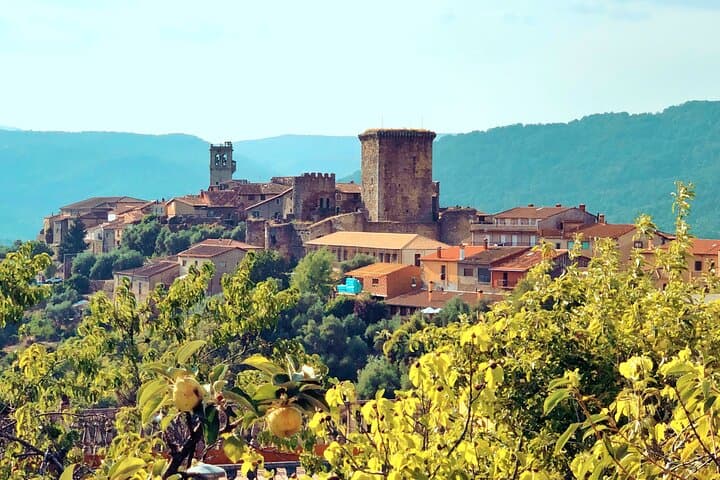
Historically, the geopark features a rich cultural mosaic shaped by Roman, Visigothic, and Moorish influences reflected in its archaeological sites, ancient villages, and traditional rural architecture. Visitors can explore ancient ruins, cave paintings, and vernacular settlements, gaining insight into the intertwining of human history and natural heritage. Key landmarks include the spectacular La Villuerca peak, the highest point in the area, offering panoramic views, and the striking trilobite fossils found in the Cambrian rock formations.
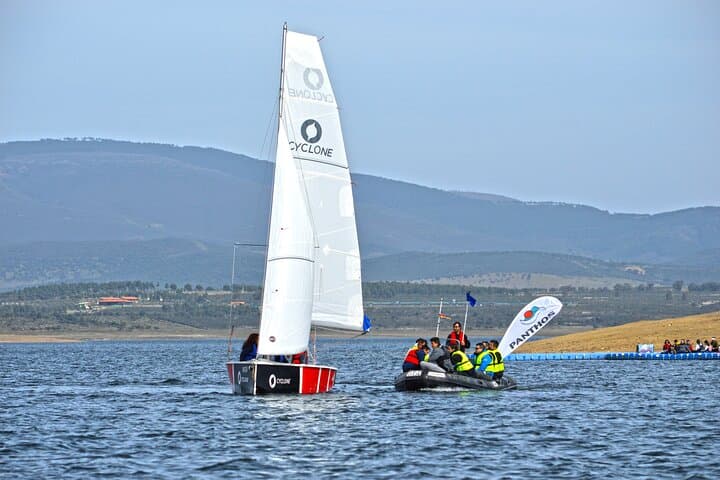
Outdoor enthusiasts find a variety of recreation opportunities such as hiking, mountain biking, birdwatching, and canyoning. The well-marked trail network provides access to scenic vistas, rivers, and geological marvels. The geopark’s rich natural and cultural assets invite educational tours, geotourism activities, and sustainable exploration, fostering appreciation and conservation of this remarkable environment.