Wilderness Landscape & Natural Heritage
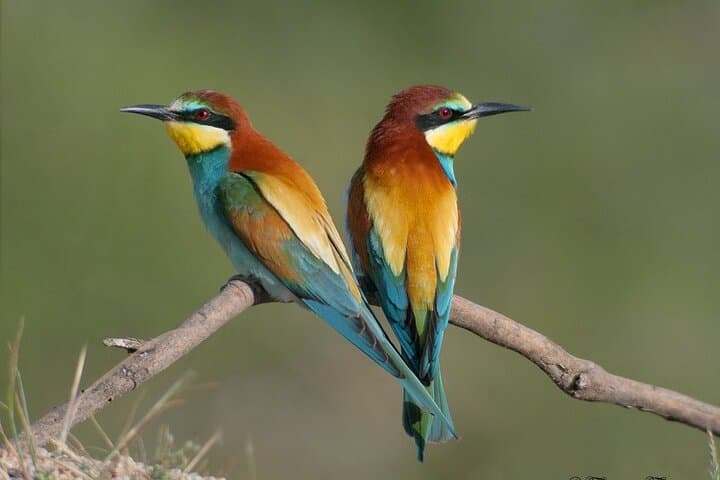
Dehesa de Mérida is a quintessential example of the dehesa, a distinctive agro-sylvo-pastoral system characteristic of southwestern Spain and southern Portugal. Located in Extremadura near the historic city of Mérida, this landscape covers a mosaic of open woodlands primarily comprised of holm oaks (Quercus ilex) and cork oaks (Quercus suber). The dehesa supports the extensive grazing of Iberian pigs, cattle, and sheep, alongside cereal crops and wild-game habitats. This multifunctional system balances ecological sustainability with traditional rural livelihoods and forms part of Spain’s cultural heritage. The area is renowned for its rich biodiversity, including emblematic species such as the Iberian lynx, Spanish imperial eagle, black vulture, and wild boar, as well as its vast assemblage of fungi and insects reliant on the oaks. The landscape’s open canopy and sparse tree density create a unique habitat supporting Mediterranean shrublands and grasslands. Recreationally, Dehesa de Mérida offers nature walks, wildlife watching—especially birding opportunities—and cultural explorations of rural Iberian life. The proximity to Mérida, known for its impressive Roman ruins, makes it a compelling destination combining natural and historical tourism. Visitors come to witness traditional grazing practices, experience peaceful trails shaded by centuries-old oaks, and engage with the conservation ethos that protects this delicate balance of nature and human activity. The dehesa serves as a living landscape where sustainable land use and biodiversity conservation coexist, attracting ecotourists, naturalists, and those interested in agroecology.