Wilderness Landscape & Natural Heritage
Bombetoka Bay Mangroves are situated along the northwest coast of Madagascar near the city of Mahajanga in the Antsiranana Province. This vast mangrove ecosystem covers thousands of hectares where freshwater from the Betsiboka River meets the Mozambique Channel. These mangrove forests serve as a crucial buffer against coastal erosion, storm surges, and saltwater intrusion, making them essential to local communities' livelihoods and biodiversity preservation.
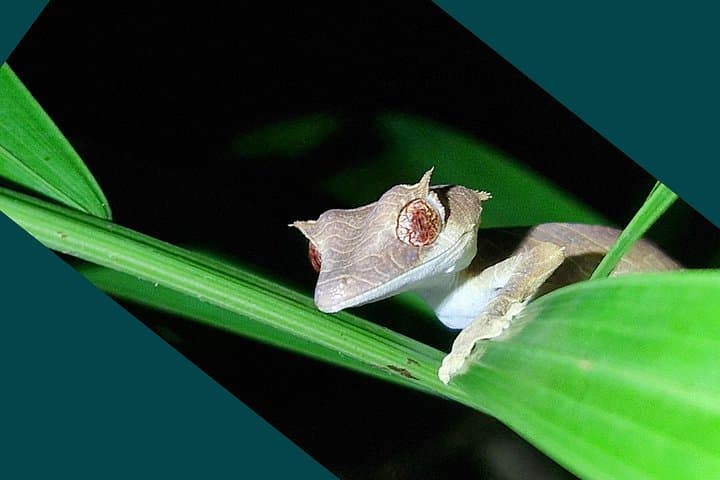
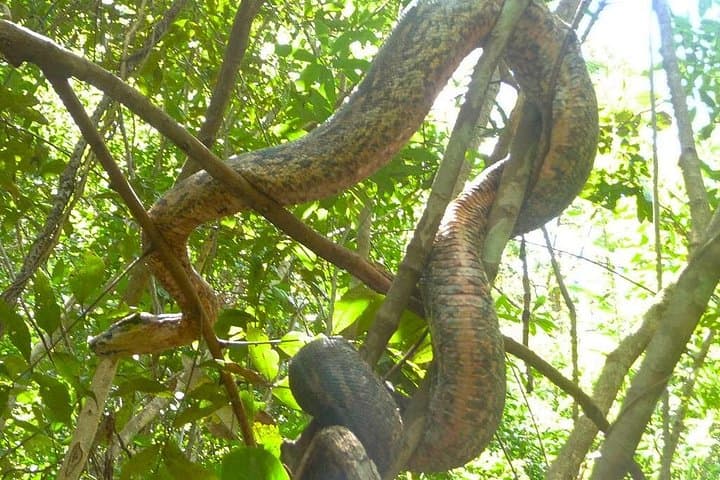
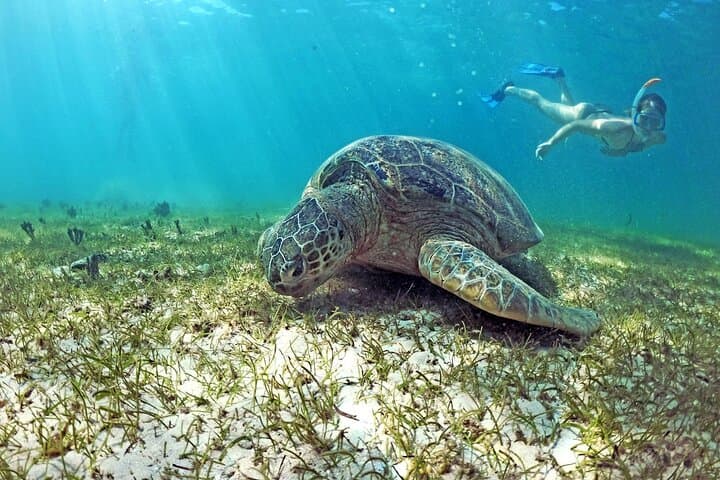
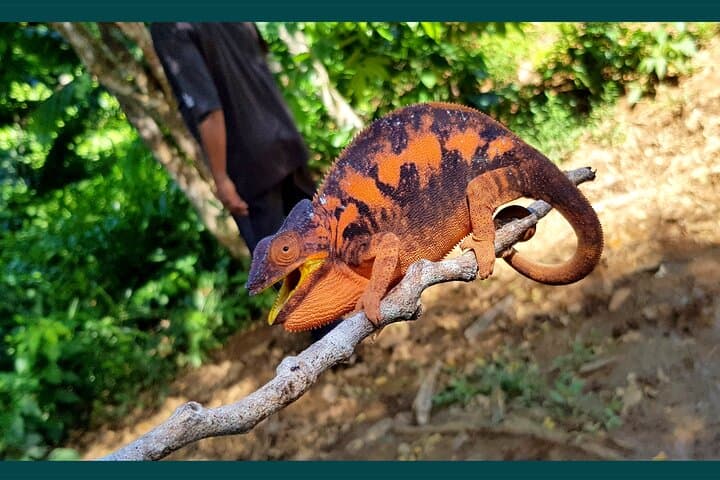
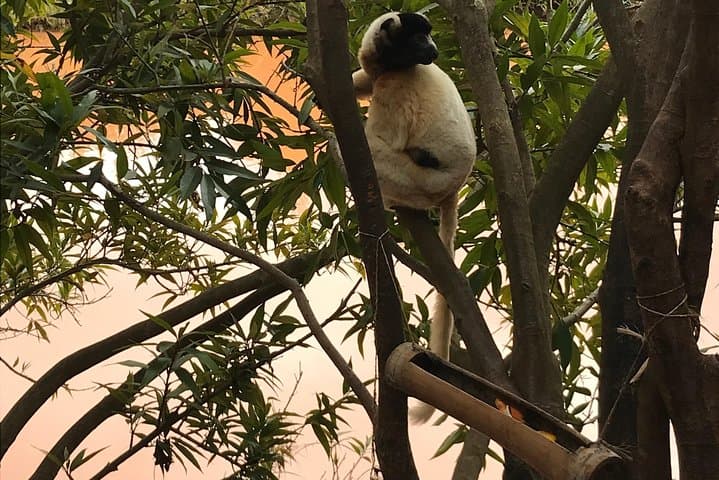
The mangroves are dominated by species such as Rhizophora mucronata, Ceriops tagal, and Avicennia marina, creating dense thickets that provide shelter and breeding grounds for a wide range of wildlife, including fish, crabs, mollusks, and various bird species like the Madagascar fish eagle and herons. The area supports traditional fishing and offers opportunities for bird watching and guided canoe tours through its tidal waterways.
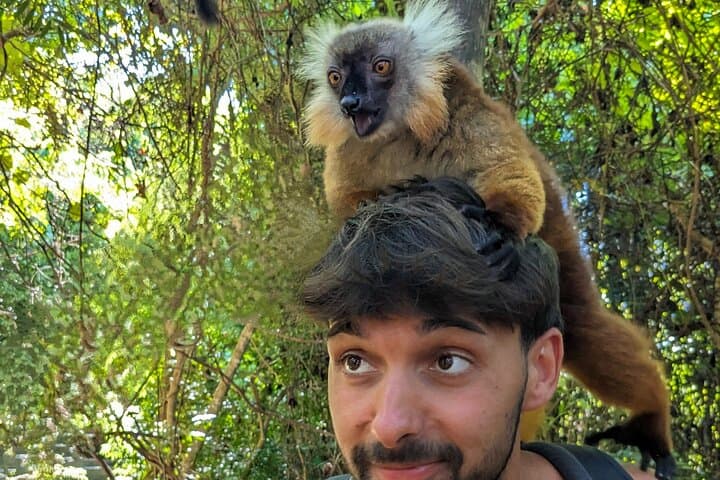
Historically, Bombetoka Bay has played a pivotal role in regional trade and community sustenance, with villagers relying on mangrove resources for timber, honey, and fish. Conservation efforts have increased over the last two decades due to threats such as deforestation, charcoal production, and coastal development. Visitors come to witness the natural beauty, explore narrow waterways by boat, and experience the diverse wildlife.
Recreation is low-impact and typically centered around ecotourism activities such as wildlife observation, photography, and educational tours guided by local communities. The mangroves' remote location and sometimes difficult access limit visitor numbers, helping protect the environment but requiring planning to reach. The mangrove bay is recognized internationally for its ecological value and is part of ongoing marine and coastal conservation initiatives.