Wilderness Landscape & Natural Heritage
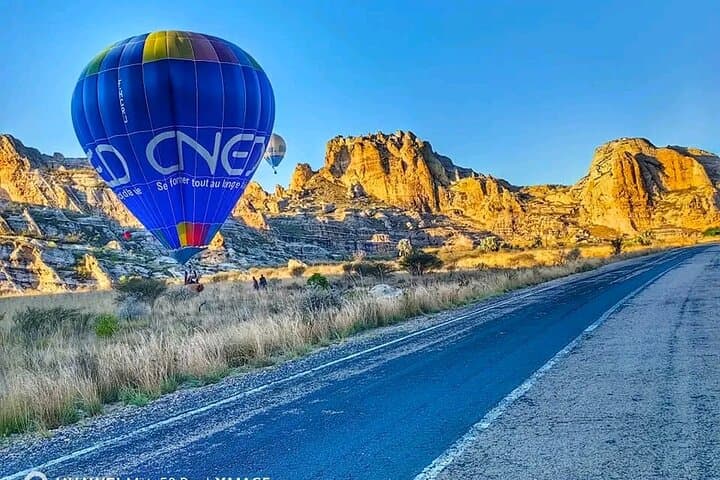
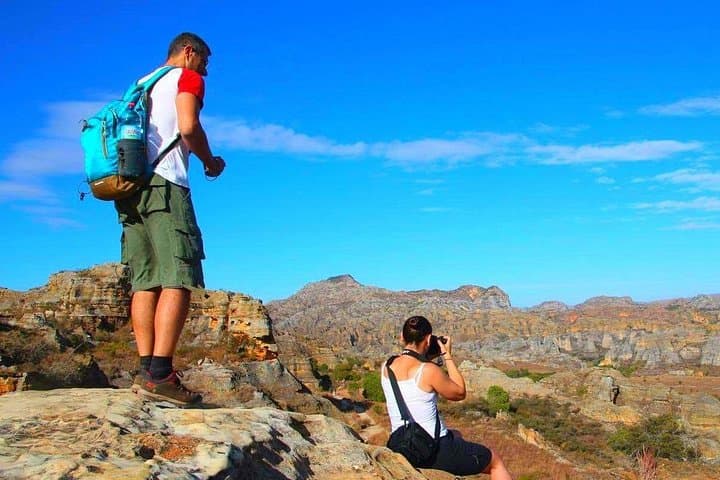
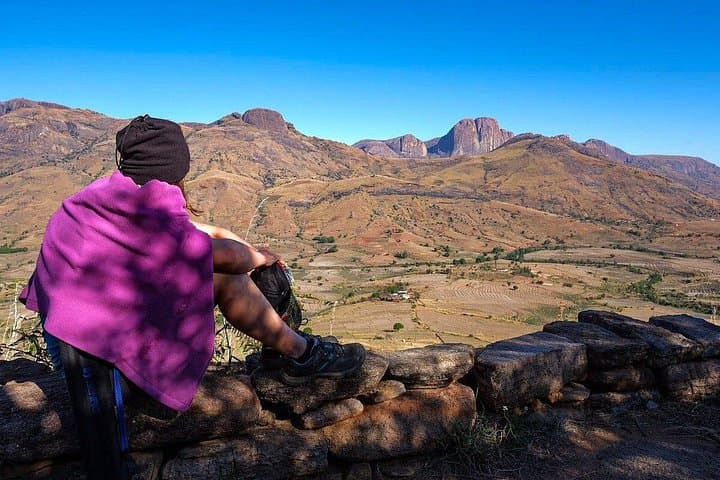
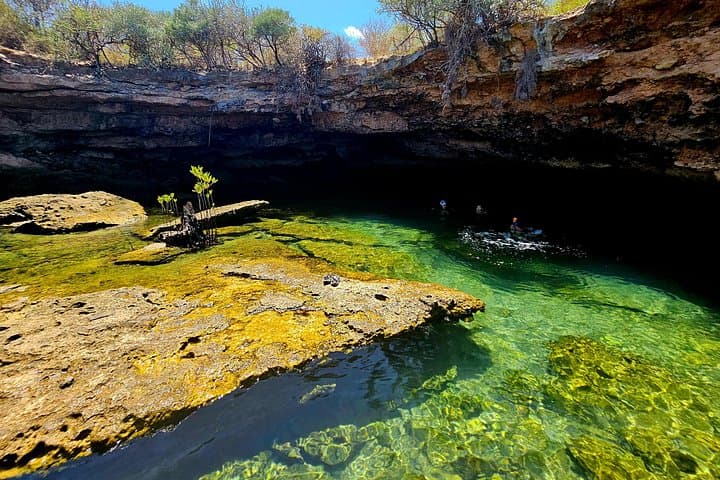
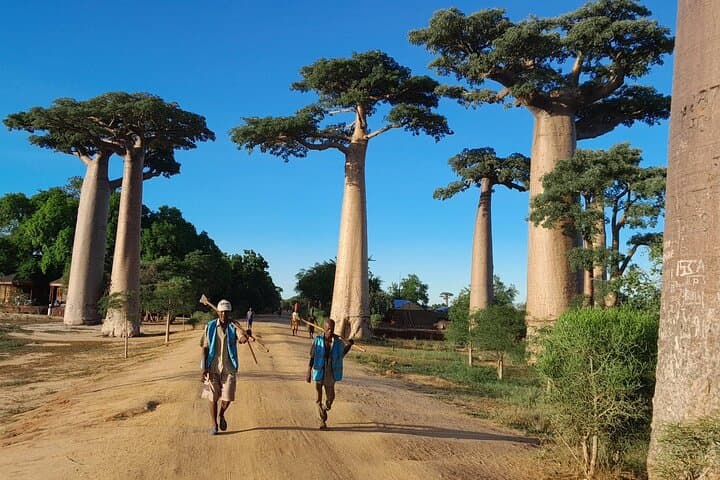
Tsimanampetsotsa National Park is located in the arid southwest region of Madagascar, adjacent to the Mozambique Channel. Covering an area characterized by dry, spiny forest ecosystems and savannah plateaus, the park centers around Lake Tsimanampetsotsa, a shallow, saline lake critical for local biodiversity. The park's unusual karst limestone geology creates a varied landscape of rocky outcrops, caves, and cliffs. It provides habitat for numerous endemic and rare species, including several lemurs, the Malagasy fish eagle, and the greater flamingo which frequent the saline lake. The dry forest supports unique flora such as baobabs and octopus trees (Didiereaceae family), adapted to the harsh, dry climate. Established in 1927 and later designated a national park, it has played an important role in the conservation of Madagascar's threatened dry forest biome and species. Visitors to Tsimanampetsotsa can engage in wildlife watching, especially focused on birds and lemurs, walking along trails that highlight the park’s geological and ecological features, and photograph dramatic sunsets over Lake Tsimanampetsotsa. Its relative remoteness means tourism is limited but rewarding for those interested in Madagascar’s distinct natural world and cultural history tied to local Vezo fishing communities. The park's landscape offers a contrast to the island's more humid eastern rainforests, presenting a unique terrestrial environment shaped by long dry seasons and saline water influences.