Wilderness Landscape & Natural Heritage
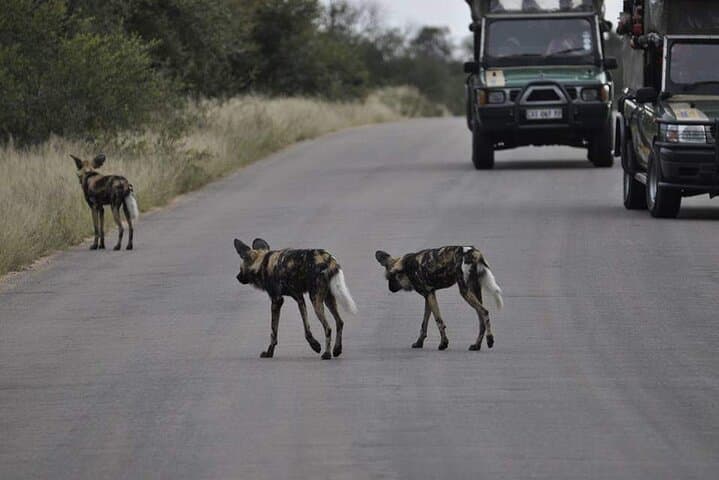
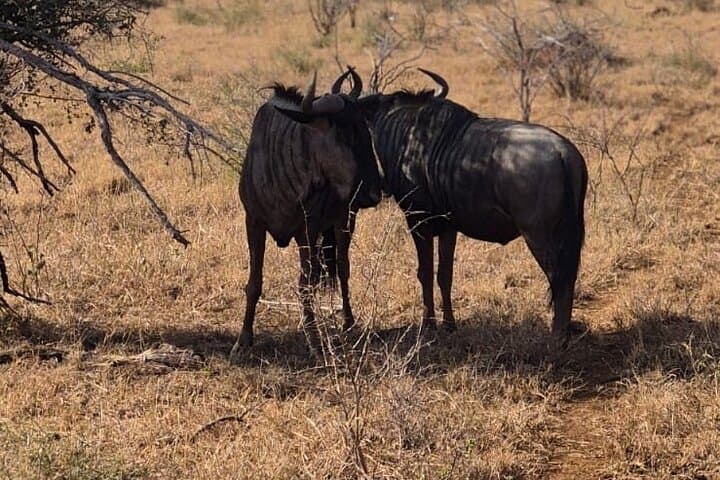
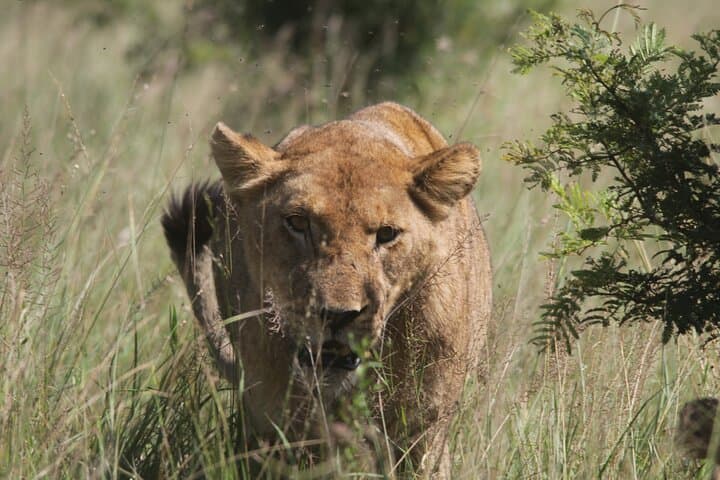
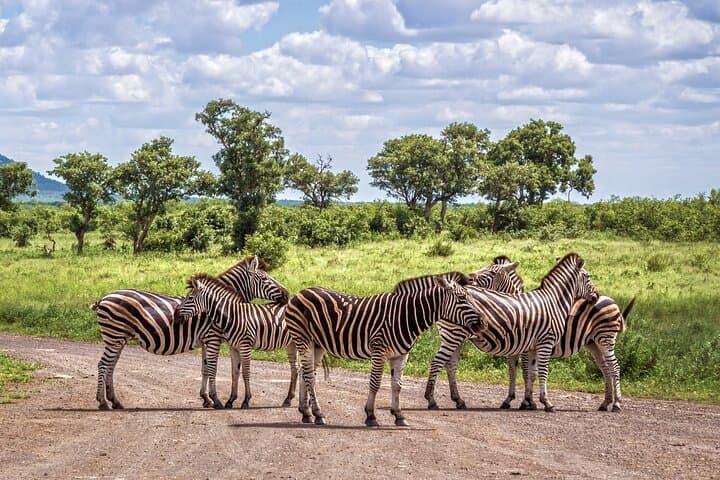
The northern section of Kruger National Park spans parts of Limpopo and Mpumalanga provinces in South Africa and is renowned for its rugged landscapes and abundant biodiversity. Covering the upper reaches of the park, this area is characterized by acacia woodlands, mopane forests, and rocky outcrops, creating a variety of habitats for wildlife. It forms part of one of Africa's largest game reserves, providing crucial protection for endangered species such as the African wild dog and the elusive leopard. Historically, the park was established in 1898 to conserve South Africa’s wildlife and has since grown into a premier destination for eco-tourism. Visitors to the northern section can explore diverse ecosystems along routes that traverse rivers like the Olifants and Luvuvhu, visit archaeological sites including ancient rock art, and partake in guided safaris and birdwatching. The remote nature of the northern area means it is less frequented than the southern parts of the park, offering a more intimate and adventurous wilderness experience. Iconic landmarks here include the dramatic Blyde River Canyon nearby and the Pafuri area that borders Mozambique and Zimbabwe, enhancing the international conservation footprint. The northern section is especially popular for game drives, walking safaris led by experienced rangers, and night drives that reveal nocturnal wildlife activity. This part of Kruger attracts visitors seeking natural tranquility, spectacular vistas, and an opportunity to observe Africa’s Big Five in a relatively undisturbed setting.