Wilderness Landscape & Natural Heritage
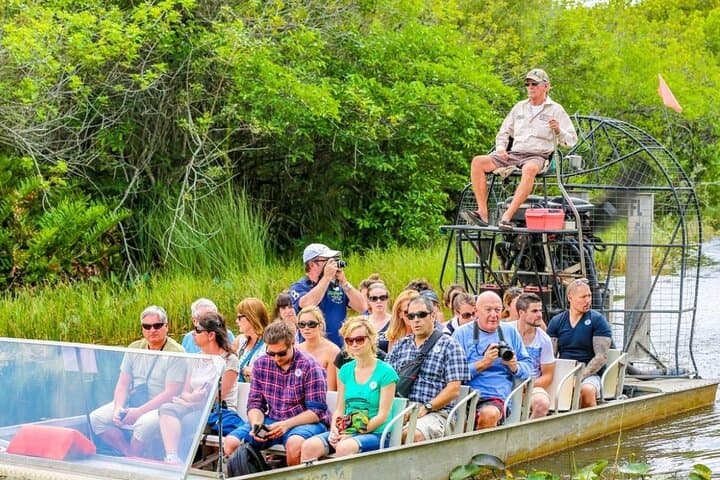
The Everglades Conservation Area, often referred to as Everglades National Park, is a vast expanse of tropical wetlands covering over 1.5 million acres in Florida. This unique region is renowned for its rich biodiversity, housing rare and endangered species including the American crocodile, Florida panther, and West Indian manatee. The geography is characterized by its slow-moving water, known as the 'River of Grass', dotted with sawgrass marshes, mangrove forests, and cypress swamps. Established in 1947 to protect this fragile ecosystem, the park holds significant ecological and cultural value. Visitors are drawn to its unique landscapes and abundant wildlife viewing opportunities. Popular activities include hiking, bird watching, and taking airboat tours to explore the waterways. Notable landmarks such as the Shark Valley Observation Tower provide panoramic views of the wetland. As a designated World Heritage Site, the Everglades also play a crucial role in water purification and climate regulation.