Wilderness Landscape & Natural Heritage
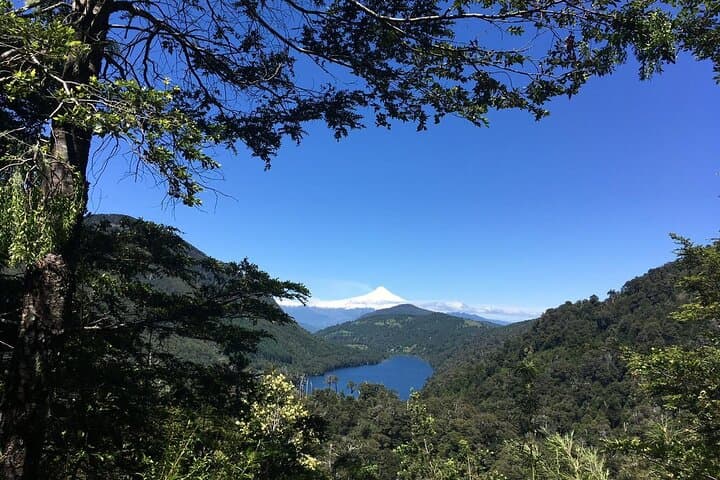
Cerro Ñielol Natural Monument is a 89-hectare natural reserve located within the city of Temuco in Chile's Araucanía Region. The monument centers on Cerro Ñielol, a forested hill rising approximately 335 meters above sea level, providing an accessible natural refuge in an urban setting. Geographically, the hill lies between the Cautín River and the city, creating a green lung surrounded by urban development. The site's ecosystem is characterized by dense native forests dominated by species from the Valdivian temperate rainforest, including coigüe, lenga, and maqui trees. This natural monument is an important habitat for local wildlife such as the pudú (one of the world's smallest deer species), Darwin's fox, and a variety of birds like chucao tapaculos and the Magellanic woodpecker.
Historically, Cerro Ñielol holds cultural importance for the indigenous Mapuche people and was declared a Natural Monument in 1970 to protect its unique environment. Visitors can enjoy a network of well-maintained hiking trails that range from easy forest walks to more challenging climbs to viewpoints on the summit, offering sweeping views over Temuco and neighboring landscapes. The monument includes lookout platforms, picnic areas, and interpretive signage to educate visitors about the native flora and fauna. It is a popular destination for birdwatching and nature photography given the diversity of species observed year-round. While camping and overnight stays are not permitted, the site is ideal for day hikes, educational outings, and quiet retreats from urban life.