Wilderness Landscape & Natural Heritage
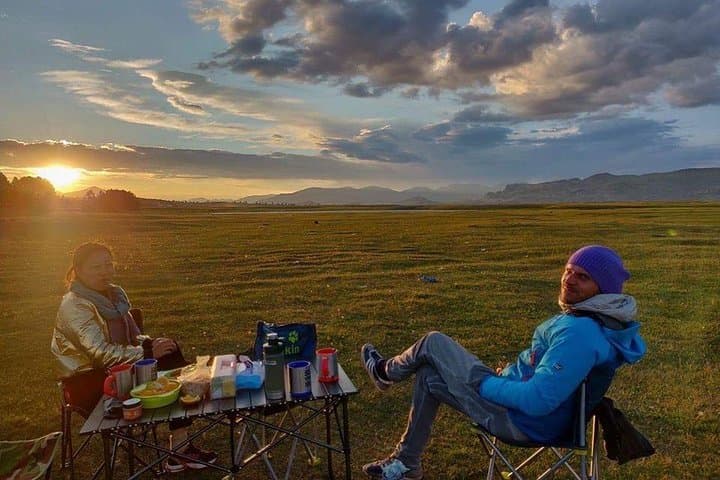
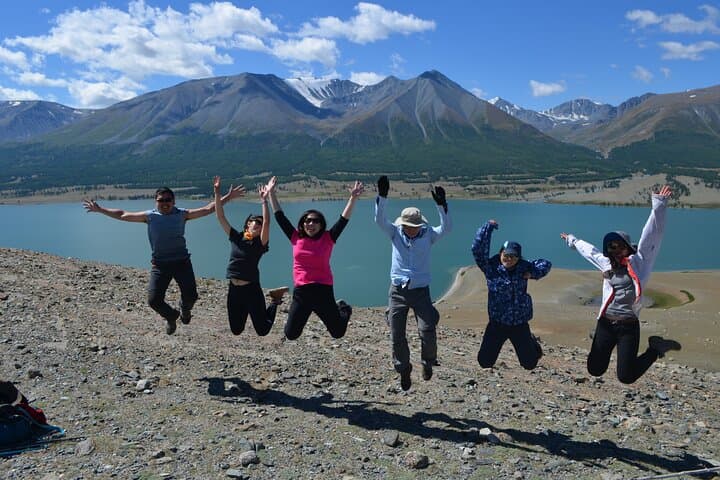
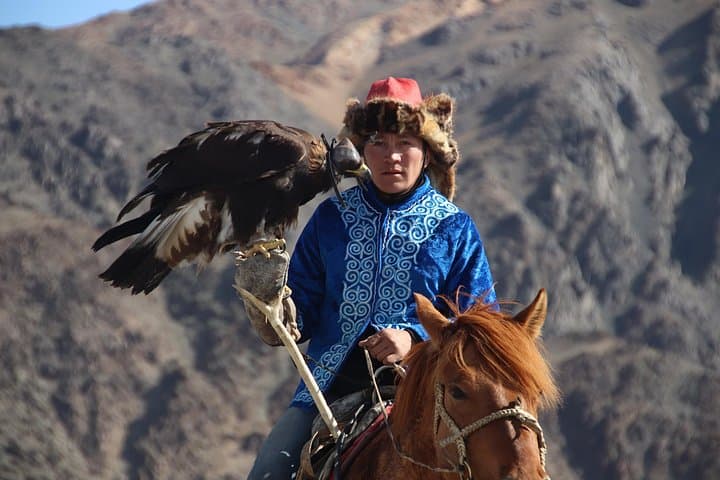
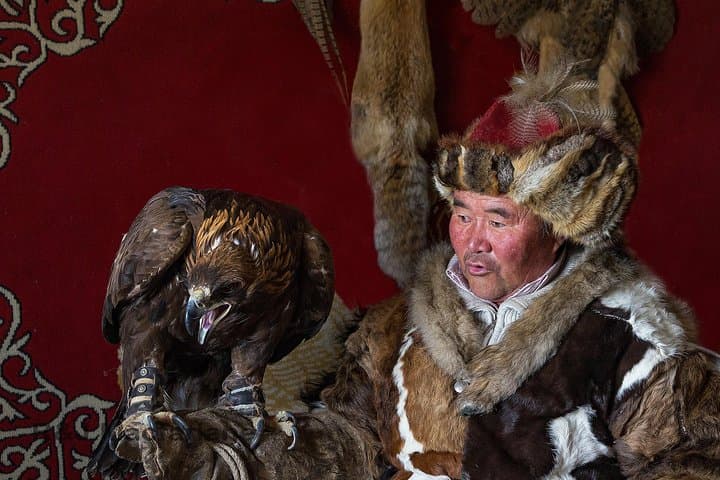
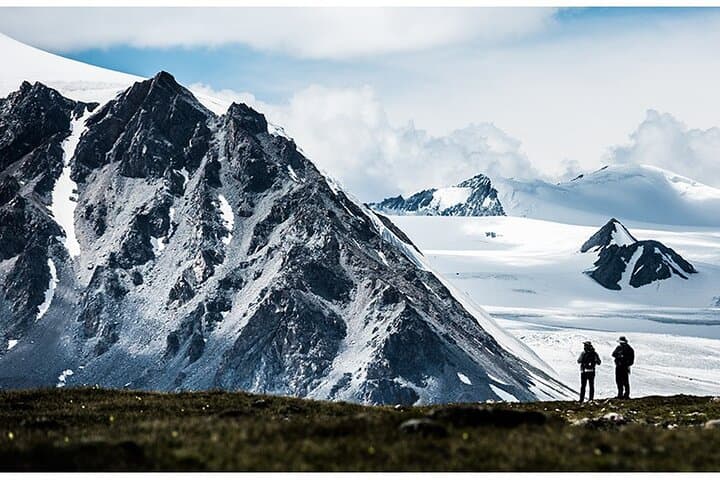
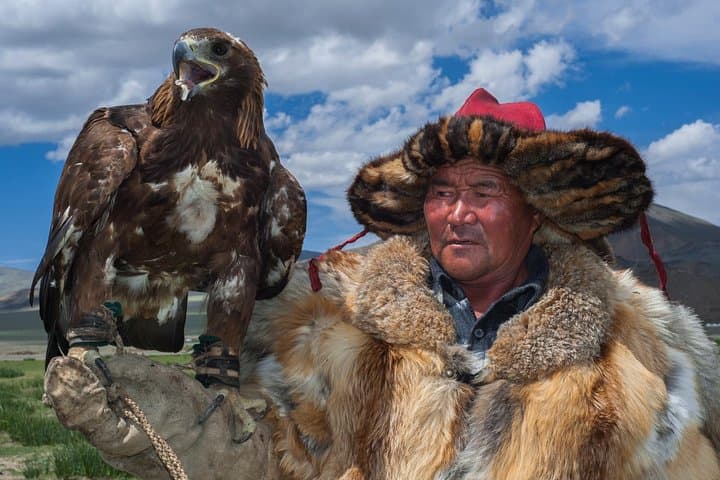
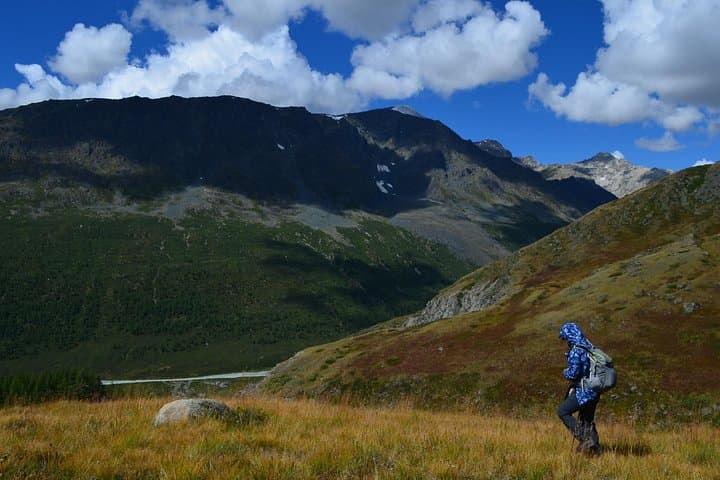
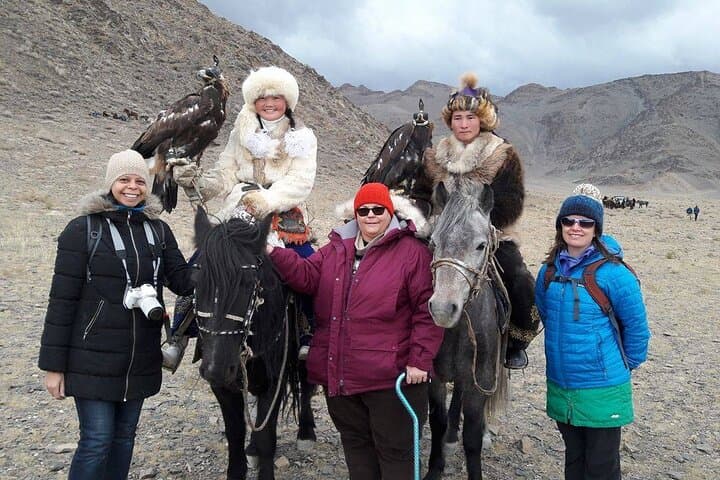
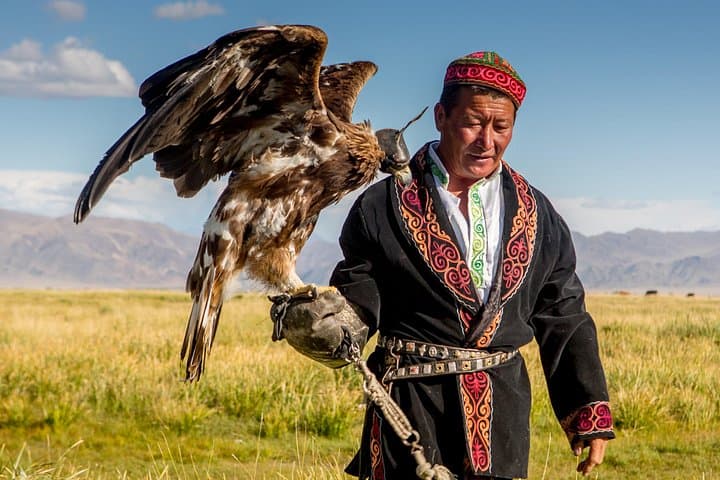
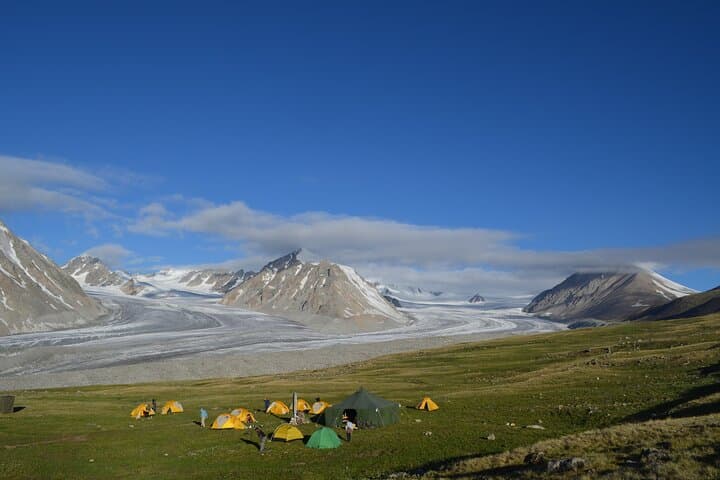
The Uvs Nuur Basin UNESCO World Heritage Site is an extensive natural region covering approximately 70,000 square kilometers spanning across western Mongolia and the neighboring Russian Tuva Republic. This basin is centered around Uvs Nuur, a large saline lake, one of the largest in Central Asia, surrounded by diverse landscapes including deserts, steppes, mountain tundra, forests, and wetlands. These remarkable geographic variations create a mosaic of ecosystems and countryside that support one of the richest concentrations of biodiversity in Central Asia. Its diverse habitats are home to over 300 species of birds, 85 species of mammals, many of which are globally endangered or rare, including snow leopards, Siberian ibex, and the elusive Altai argali sheep. The basin’s unique climate and geography have also preserved ancient petroglyphs and archaeological sites that reflect a rich nomadic cultural heritage spanning thousands of years. Visitors to Uvs Nuur Basin can experience a truly wild and remote environment, with opportunities for hiking multi-day routes across its wide valleys and mountain ranges, birdwatching in its wetlands, and culturally immersive experiences with local nomadic herders. The region is internationally recognized for its pristine natural conditions and its role as a biodiversity hotspot that links steppe, desert, and alpine ecological zones. Despite its remoteness, the site offers remarkable scenic beauty and the chance to encounter truly rare wildlife in untouched wilderness, making it a treasured destination for adventurers and nature enthusiasts seeking off-the-beaten-path exploration.