Wilderness Landscape & Natural Heritage
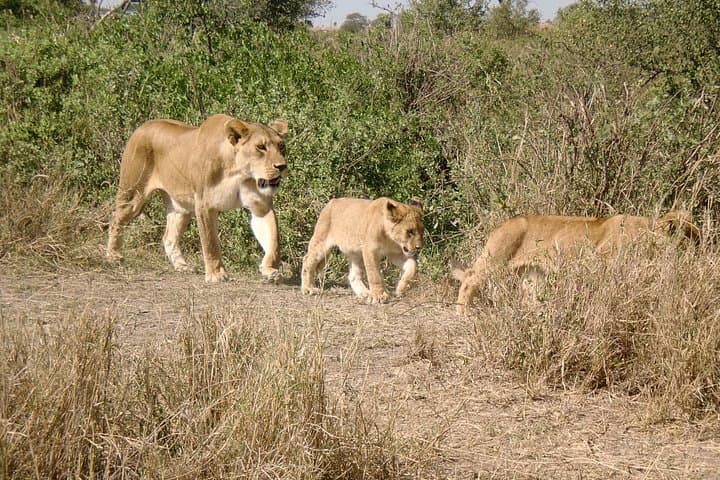
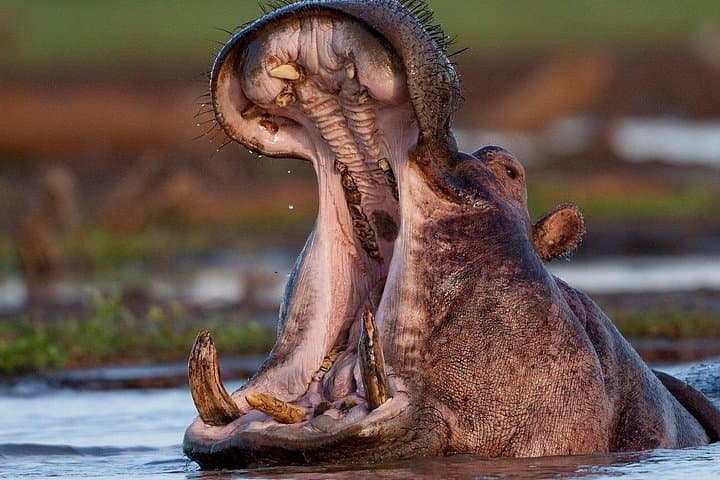
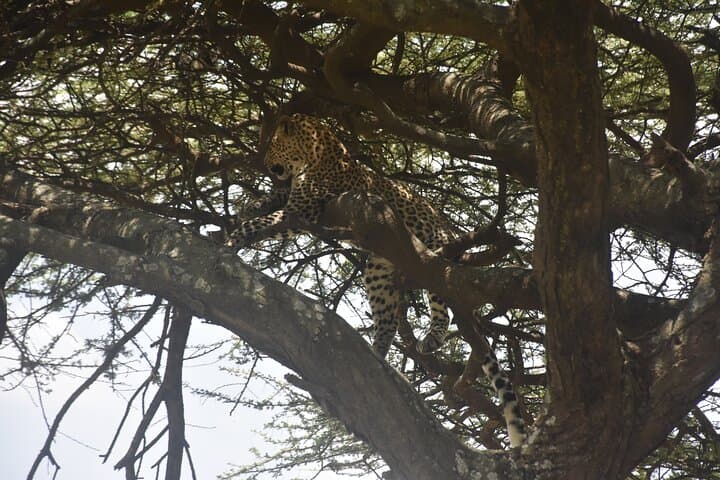
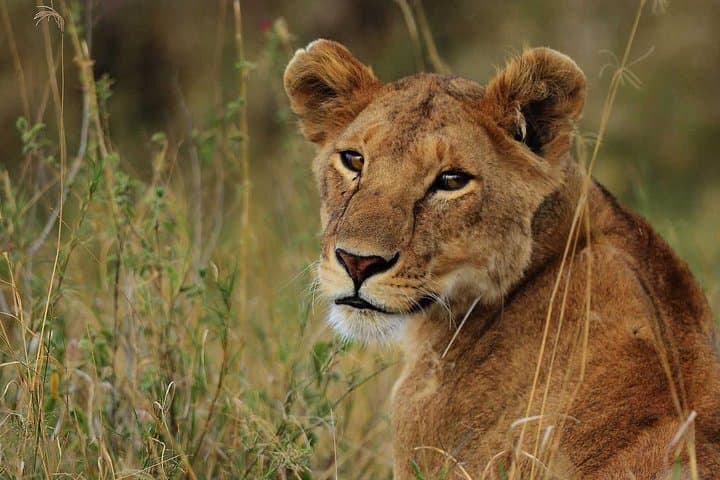
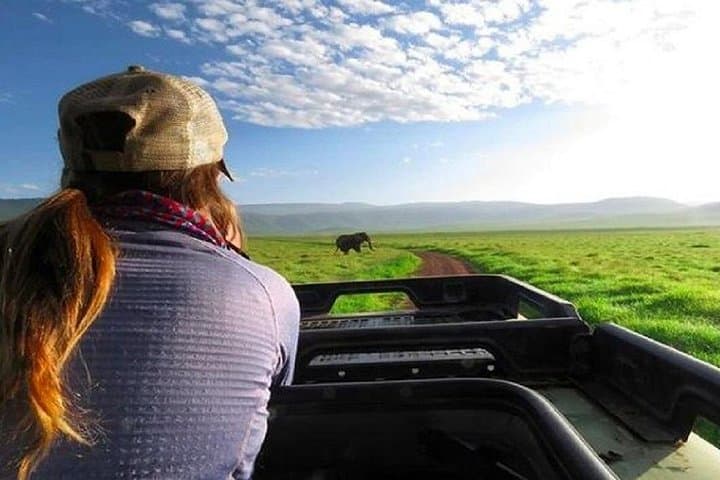
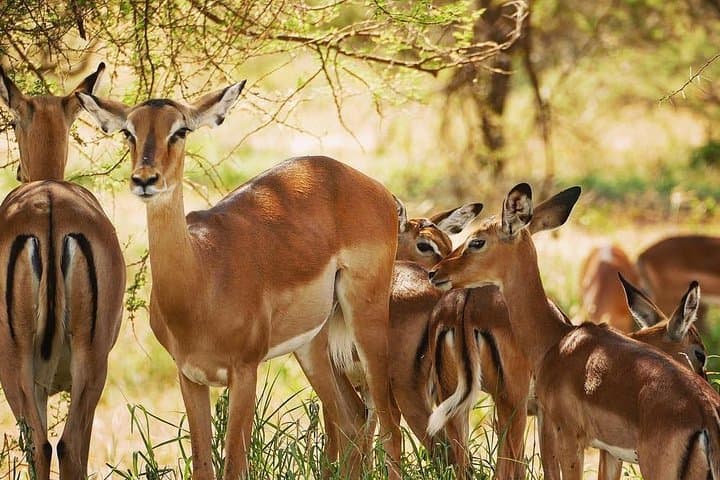
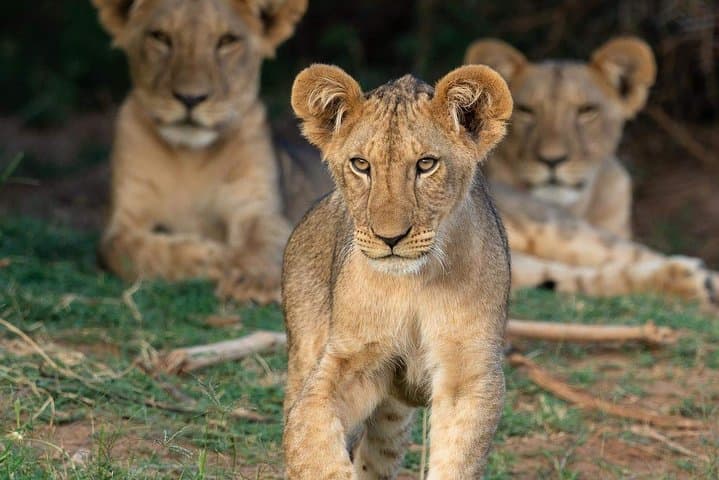
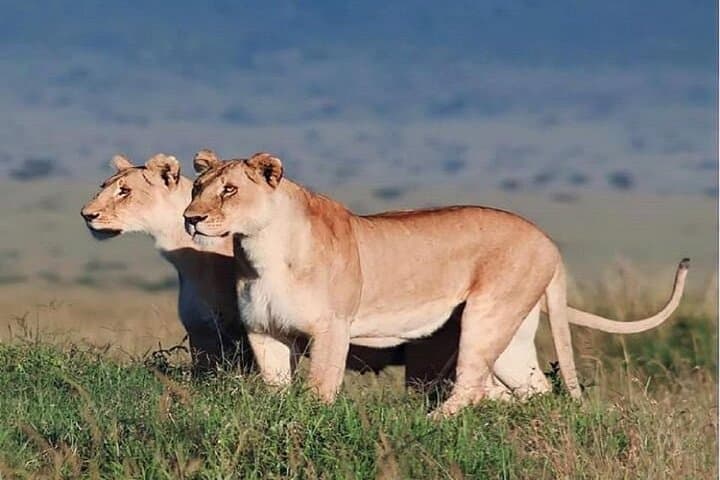
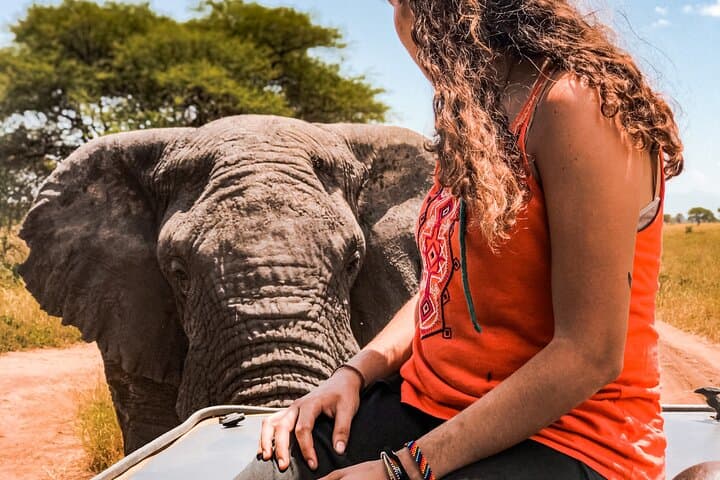
Located in northern Tanzania, the Ngorongoro Conservation Area encompasses approximately 8,292 square kilometers of diverse landscapes ranging from the volcanic Ngorongoro Crater to highland forests and savanna plains. It is globally recognized as a UNESCO World Heritage Site for its outstanding natural and cultural values. The area supports a wide range of ecosystems and serves as a haven for a vast variety of wildlife, including the Big Five—lion, elephant, buffalo, leopard, and rhino. The Ngorongoro Crater itself is a collapsed volcano measuring 264 square kilometers, famous for hosting one of the densest populations of large mammals in Africa. Visitors can embark on guided safaris to witness spectacular wildlife spectacles, including large prides of lions, elusive black rhinos, and millions of flamingos at nearby Lake Magadi. Beyond wildlife, the area preserves Maasai pastoralist heritage, with traditional villages located within the borders, offering cultural immersion opportunities. Hiking and walking safaris outside the crater provide access to lesser-visited escarpments and scenic viewpoints. The Conservation Area’s management balances wildlife conservation, tourism, and pastoral activities, making it a unique model of multiple land uses. Due to the rich biodiversity, iconic landscapes, and cultural significance, the Ngorongoro Conservation Area remains a top destination for travelers seeking authentic East African safari experiences and an understanding of natural heritage protected alongside indigenous livelihoods.