About this landmark
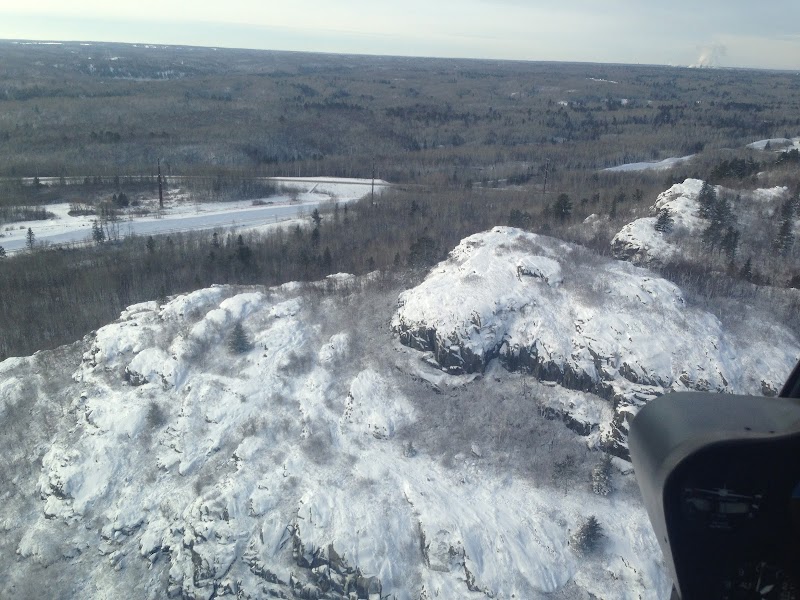
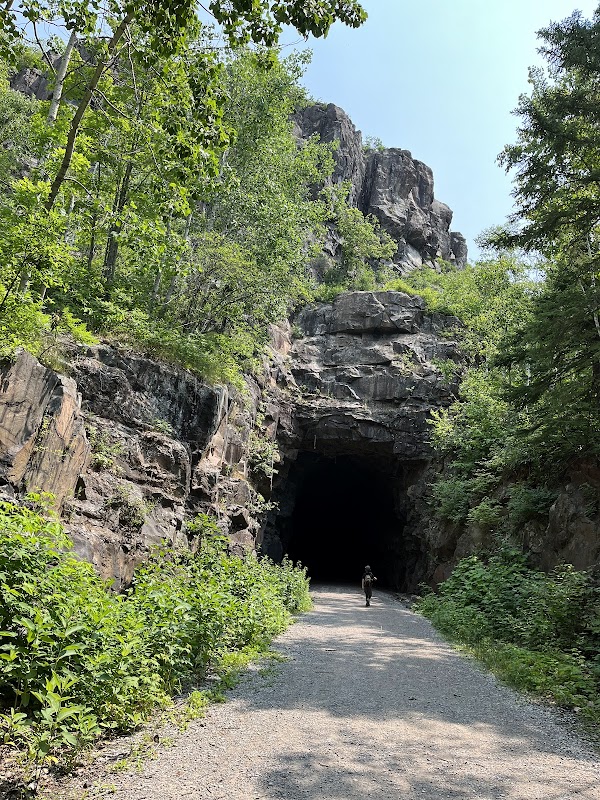
Short Line Park, located in Duluth, Minnesota, offers adventurers a unique opportunity to experience American history and lush natural beauty. Known for its historic railway tunnels carved into the rugged cliffs, this park is a hidden gem in the Midwest. Standing at the entrance of one of these giant rock formations, visitors might feel a sense of awe as they contemplate the labor once needed to create such an engineering marvel. Towering trees and dense vegetation envelop the park, enhancing its serene atmosphere.
The park's highlight is its railway tunnel, a geological and historical masterpiece. This tunnel, now a part of a scenic walking trail, was once an integral part of the region’s transportation network. It’s a rare combination of natural beauty and industrial heritage.
Short Line Park offers not just a journey into the past, but a chance to explore Duluth’s natural landscapes. Wildlife enthusiasts may spot native birds and small mammals, while plant lovers will appreciate the diverse flora.
This location promises more than just a picturesque setting; it offers a profound connection to the region's history. It stands out as a must-visit destination for those wanting to escape into nature while also enjoying a slice of local history.
Adventure Guide
Adventure Guide to Short Line Park
Railway Tunnel Exploration
- Special Features: Wander through the historic railway tunnel, surrounded by the intricate beauty of the natural rock.
- Local Insights: Originally part of a major railroad line, the tunnel is a testament to industrial advancements of the time.
- Visitor Tips:
- Best Time to Visit: Late spring to early fall for pleasant weather.
- What to Bring: Flashlight, sturdy shoes.
- Directions: About a 15-minute drive southwest of Duluth city center.
Hiking Trails
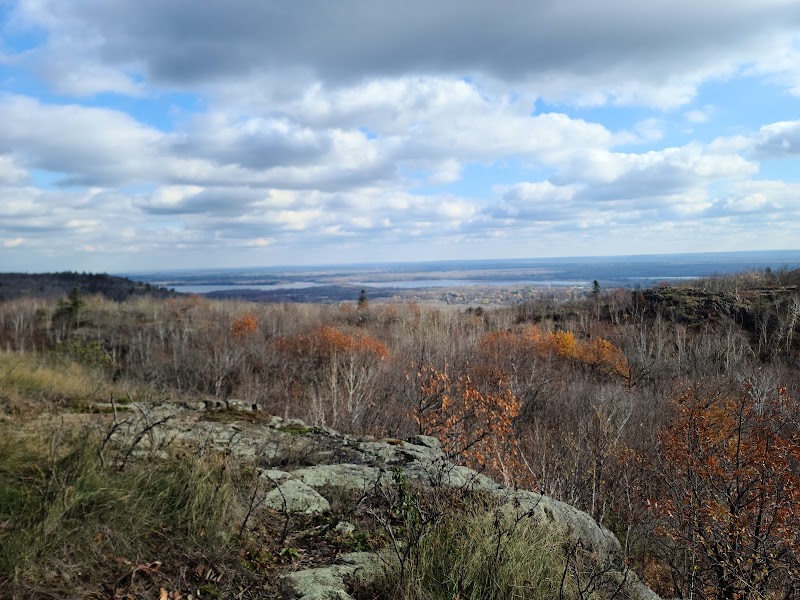
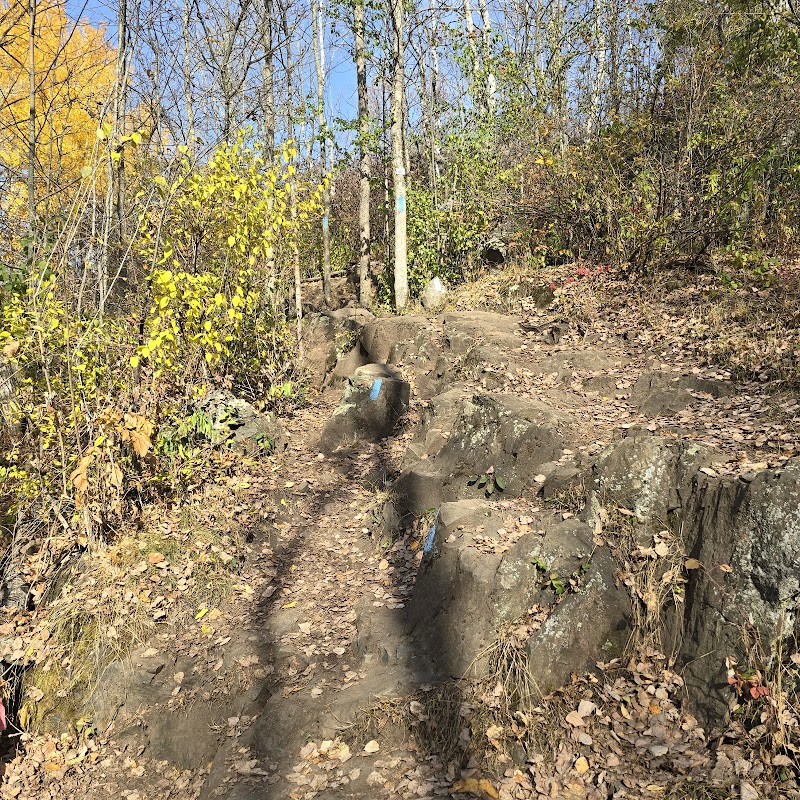
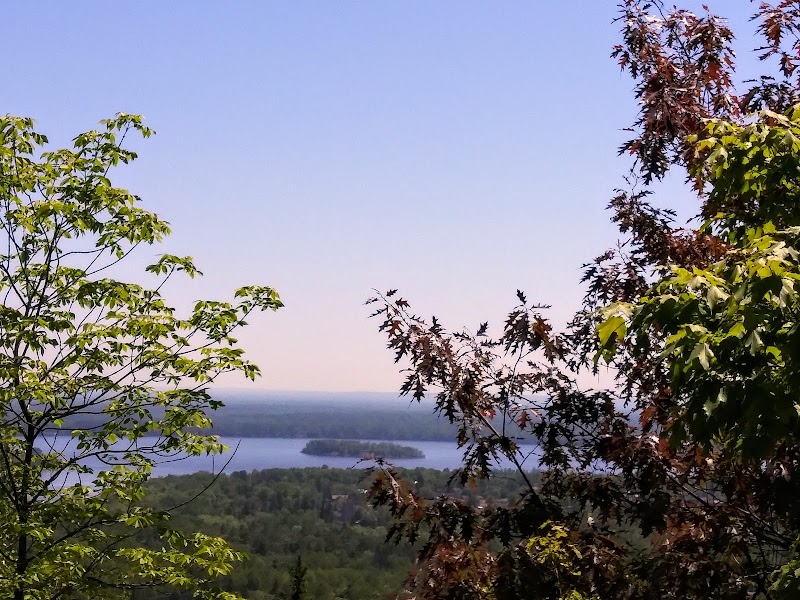
- Special Features: Hike the park’s trails for views of diverse, forested landscapes.
- Local Insights: Trails vary in difficulty, making this a great spot for all levels of hikers.
- Visitor Tips:
- Best Time to Visit: Summer and fall for ideal trail conditions.
- What to Bring: Water, a map.
Nature Photography
- Special Features: Capture stunning vistas and rich biodiversity.
- Local Insights: The unique interplay between the man-made structures and natural beauty creates one-of-a-kind shots.
- Visitor Tips:
- Best Time to Visit: Early morning or late afternoon for soft lighting.
- What to Bring: Camera, extra batteries.
Visitor Tips
- Best Times:Late Spring to Early Fall for favorable conditions and optimal lighting.
- What to Bring:Plenty of water, sun protection, a camera, and respectful Leave-No-Trace mindset.