About this landmark
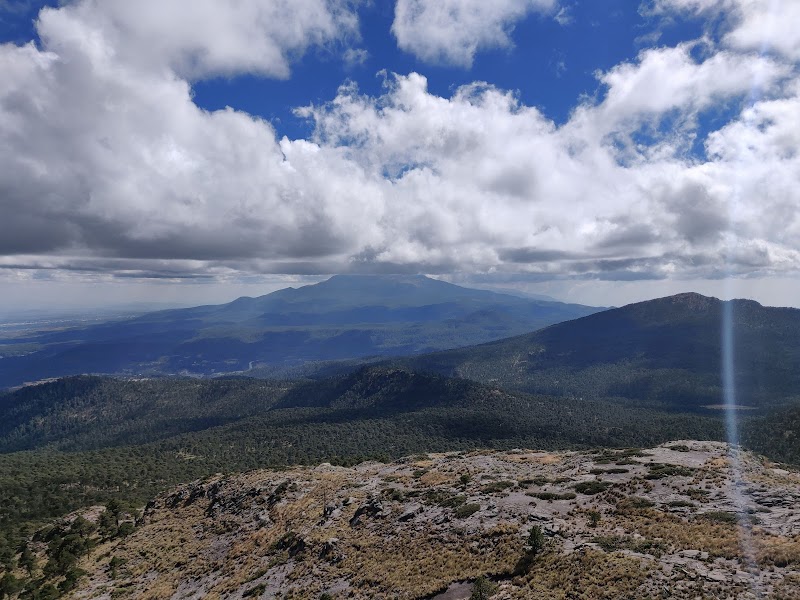
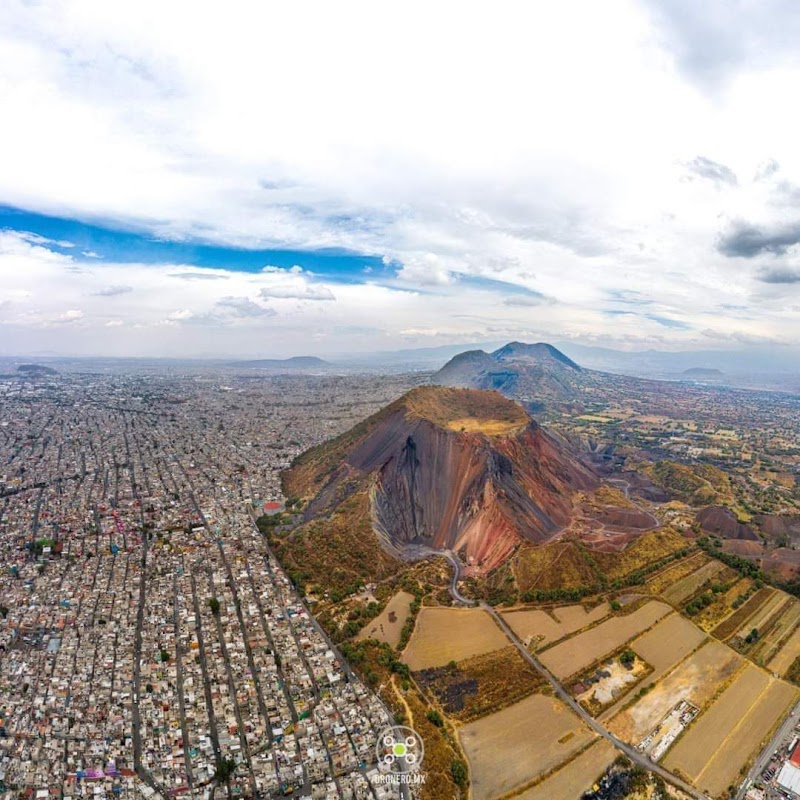
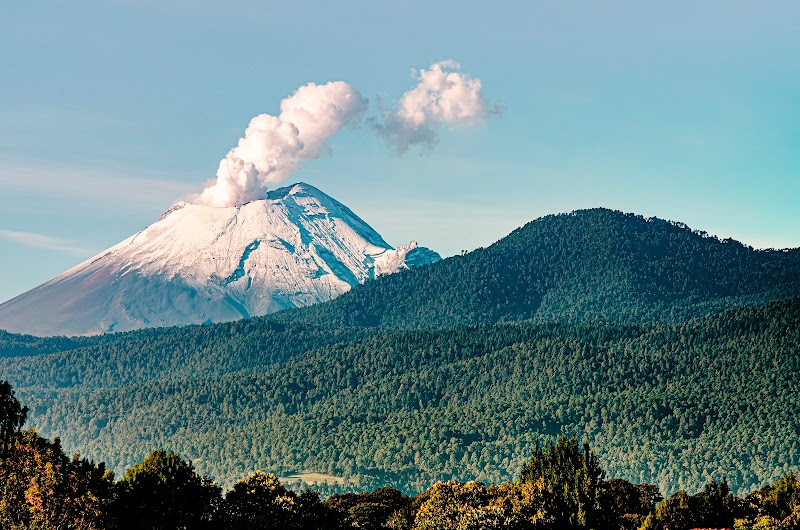
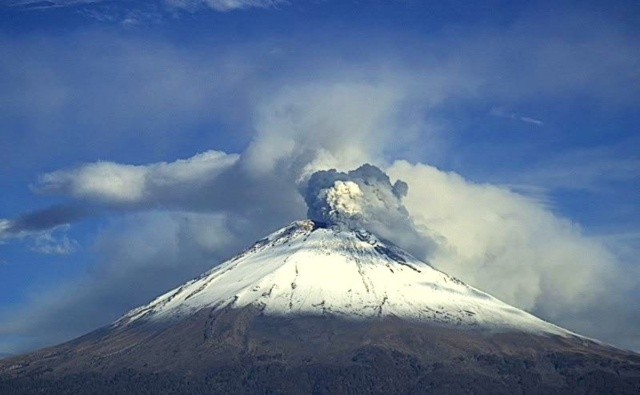
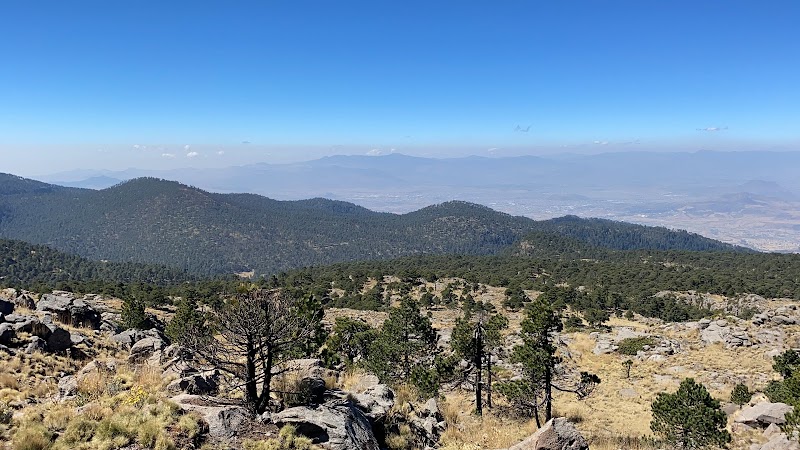
Mount Tlaloc, located in the State of Mexico, offers visitors a captivating journey into the heart of nature's allure. Known for its ancient history and astounding scenery, this peak was once a sacred site for pre-Hispanic civilizations. Rising impressively, Mount Tlaloc stands as a natural beacon, with sweeping views of the Sierra Nevada mountain range and the Valley of Mexico.
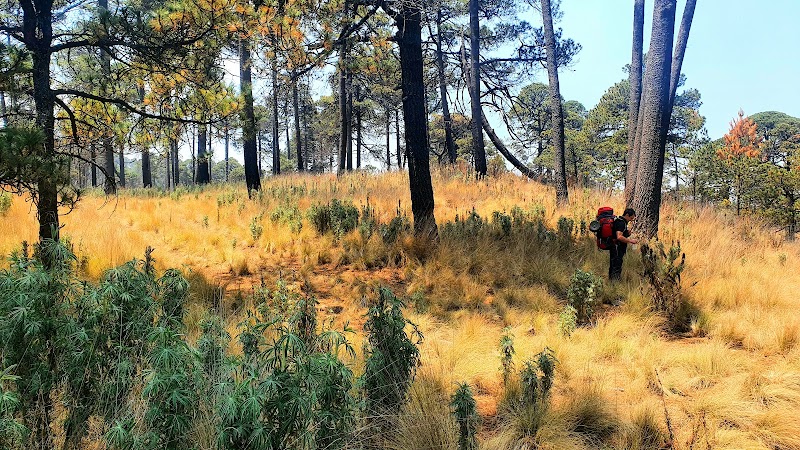
The mountain is an incredible spot for those who appreciate unique geological formations and lush landscapes. Pine and oak forests wrap the mountain, offering not only serenity but also the chance to spot diverse wildlife. This area is a haven for flora and fauna enthusiasts.
Aside from its natural beauty, Mount Tlaloc holds historical and cultural significance. It was a site of religious pilgrimage for the Aztecs, who performed rituals atop its peak to honor the rain god, Tlaloc. A pre-Columbian shrine shelters on its summit, a testament to the site's ancient spiritual importance. With a blend of breathtaking nature and profound history, Mount Tlaloc stands out as a Mexican natural treasure.
Adventure Guide
Adventure Guide To Mount Tlaloc
-
Hiking the Summit Trail
- Special Features: A trail leading to the peak, offering unobstructed panoramas of the Valley of Mexico.
- Local Insights: Ascend where Aztec priests walked, visiting the ancient shrine at the top.
- Visitor Tips: Best visited in the dry season (November to April). Bring water and sturdy boots.
-
Birdwatching Expedition
- Special Features: Pine and oak forests home to numerous bird species.
- Local Insights: Early morning is ideal for observing unique species.
- Visitor Tips: Bring binoculars and a bird guidebook. Dress in layers for temperature changes.
-
Ecological Tours
- Special Features: Explore diverse ecosystems and learn about conservation.
- Local Insights: Guides offer insights into the area's flora and fauna.
- Visitor Tips: Book tours in advance and bring eco-friendly supplies.
- Travel Directions: From Mexico City, drive east via Federal Highway 150D, approximately a two-hour journey. Prepare for winding mountain roads.
- What to Bring: Water, snacks, sun protection, and a camera.
Visitor Tips
- Best Times:November to April for favorable conditions and optimal lighting.
- What to Bring:Plenty of water, sun protection, a camera, and respectful Leave-No-Trace mindset.