THE ADVENTURE COLLECTIVE® · Independent discovery and booking for outdoor travel

Skip the loud trajineras and discover Tláhuac’s quieter canals—a half-day trajinera ride through chinampa gardens, local food, and genuine canal-side life. Expect birds, stories, and a different view of Mexico City’s water heritage.
Skip the loud trajineras and discover Tláhuac’s quieter canals—a half-day trajinera ride through chinampa gardens, local food, and genuine canal-side life. Expect birds, stories, and a different view of Mexico City’s water heritage.
Morning light slices across slow water as a single trajinera slips from the dock at Pacheco Taproom. The city’s noise fades; reed beds and chinampa edges take over. Birds call from willow branches, local families tend narrow plots of vegetables, and the wooden boat moves with a steady, human pulse—no blaring speakers, just conversation and the occasional clink of a shared beer.
Verified experiences and guided adventures in the surrounding area.
Operated by Aibuker · Mexico City, Ciudad de México
Morning light slices across slow water as a single trajinera slips from the dock at Pacheco Taproom. The city’s noise fades; reed beds and chinampa edges take over. Birds call from willow branches, local families tend narrow plots of vegetables, and the wooden boat moves with a steady, human pulse—no blaring speakers, just conversation and the occasional clink of a shared beer.
These canals are part of the Valley of Mexico’s ancient lacustrine system: a landscape shaped by Lake Texcoco and maintained for centuries through chinampas—raised, fertile beds of soil and reed. Tláhuac’s waterways carry a quieter cultural history than Xochimilco: small-scale agriculture, community rituals, and a daily cadence that hasn’t been entirely reorganized for tourism.
You’ll learn about chinampa engineering, taste snacks grown beside the canal, and meet residents who still farm and fish these waters. Geology is subtle here—the soft, silted soils and slow currents reveal why ancient peoples engineered floating gardens to feed dense urban populations.
Practical guidance: tours run about four hours with roundtrip transport from central Mexico City, so plan for a half-day. The trajinera is stable but low to the water; wear sun protection, shoes that handle wet docks, and carry small bills for local purchases. Photography is excellent during late afternoon light. The mood is observational and social—not a party boat—so expect conversation, cultural sharing, and a chance to see everyday life along an older face of CDMX.
easy.
4 hours.
Suitable for most fitness levels—mostly seated boat travel with short, gentle walks to docks and viewing points.
This experience offers a private trajinera per booking, typically for small groups; check confirmation for group size limits.
Basic restrooms are available near the meeting point and at the dock areas, but facilities along canals are limited—use them before boarding.
Yes—infants must sit on an adult’s lap; infant seats may be available. The boat is stable but supervision is recommended near docks.
Yes—air-conditioned roundtrip transport from a central meeting point is included in the standard itinerary.
Tláhuac’s canals are part of the pre-Hispanic chinampa system developed around Lake Texcoco; these engineered gardens supported urban populations for centuries.
Water quality and urban growth threaten canal habitats; responsible tourism and local stewardship programs help sustain chinampas and community livelihoods.
Aibuker operates guided outdoor trips and adventures with an emphasis on safety, stewardship, and memorable experiences.
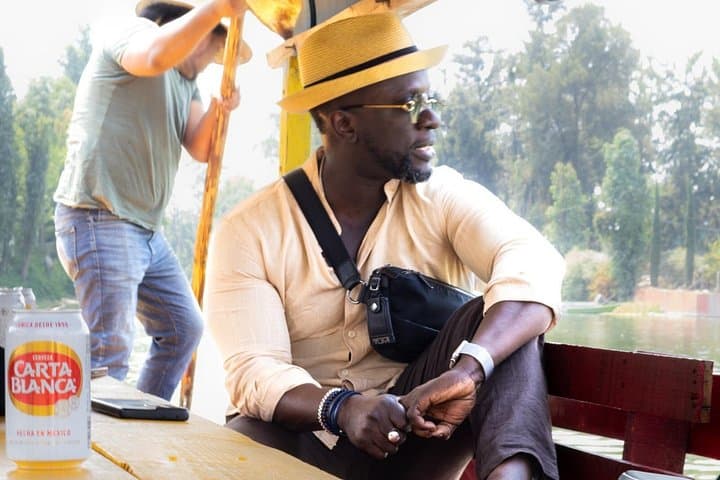
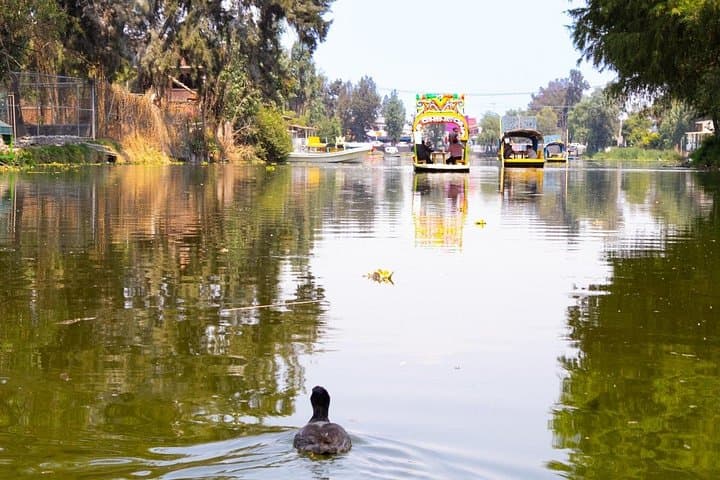
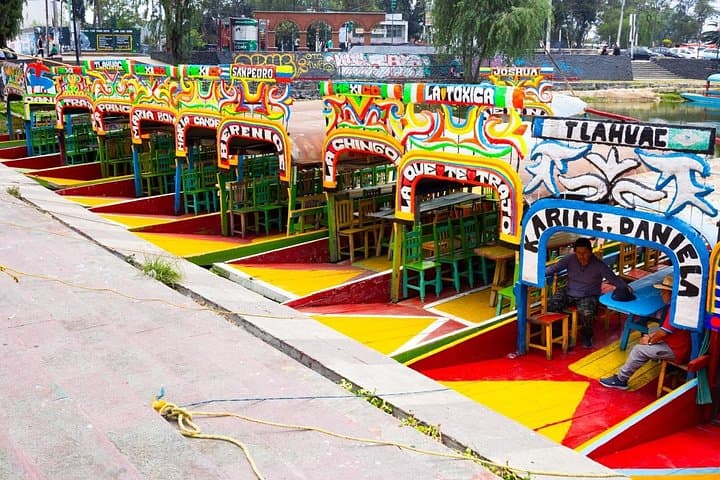
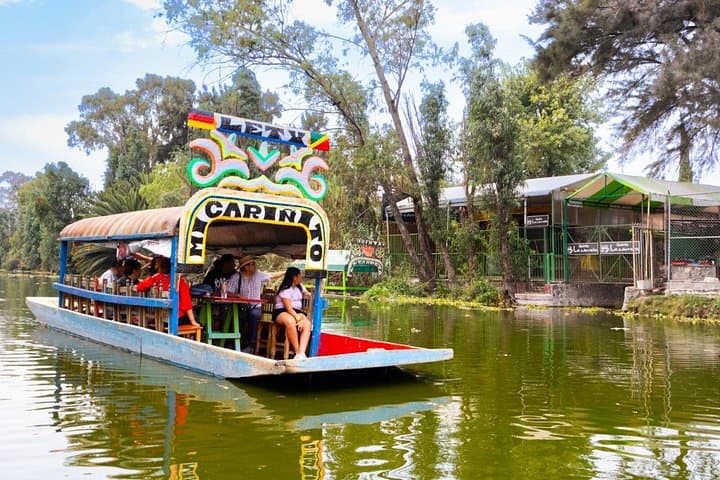
Morning light slices across slow water as a single trajinera slips from the dock at Pacheco Taproom. The city’s noise fades; reed beds and chinampa edges take over. Birds call from willow branches, local families tend narrow plots of vegetables, and the wooden boat moves with a steady, human pulse—no blaring speakers, just conversation and the occasional clink of a shared beer.
Morning light slices across slow water as a single trajinera slips from the dock at Pacheco Taproom. The city’s noise fades; reed beds and chinampa edges take over. Birds call from willow branches, local families tend narrow plots of vegetables, and the wooden boat moves with a steady, human pulse—no blaring speakers, just conversation and the occasional clink of a shared beer.
These canals are part of the Valley of Mexico’s ancient lacustrine system: a landscape shaped by Lake Texcoco and maintained for centuries through chinampas—raised, fertile beds of soil and reed. Tláhuac’s waterways carry a quieter cultural history than Xochimilco: small-scale agriculture, community rituals, and a daily cadence that hasn’t been entirely reorganized for tourism.
You’ll learn about chinampa engineering, taste snacks grown beside the canal, and meet residents who still farm and fish these waters. Geology is subtle here—the soft, silted soils and slow currents reveal why ancient peoples engineered floating gardens to feed dense urban populations.
Practical guidance: tours run about four hours with roundtrip transport from central Mexico City, so plan for a half-day. The trajinera is stable but low to the water; wear sun protection, shoes that handle wet docks, and carry small bills for local purchases. Photography is excellent during late afternoon light. The mood is observational and social—not a party boat—so expect conversation, cultural sharing, and a chance to see everyday life along an older face of CDMX.