About this landmark
Discover Tsavo East National Park
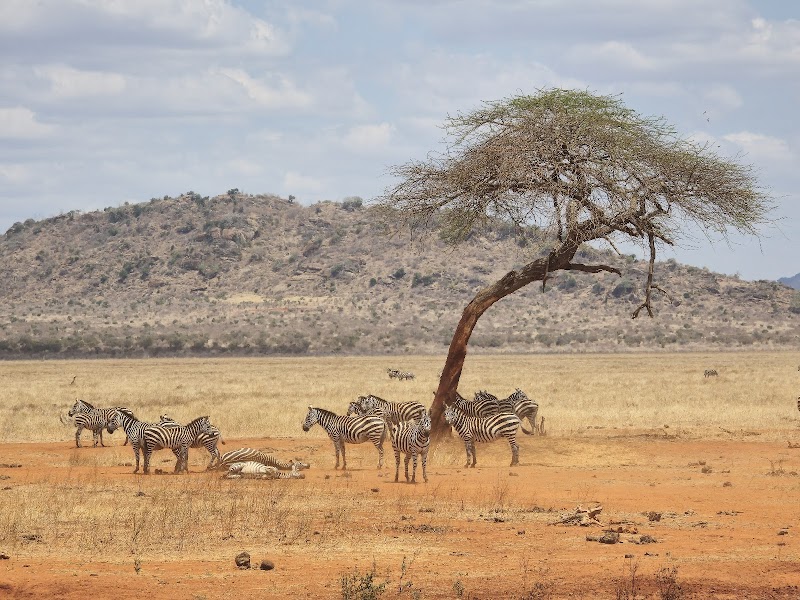
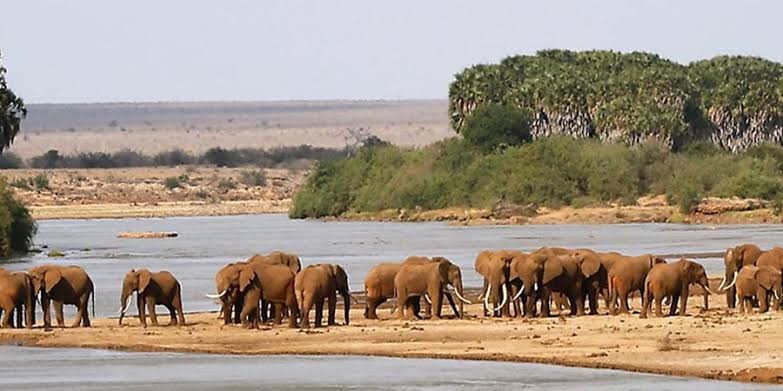
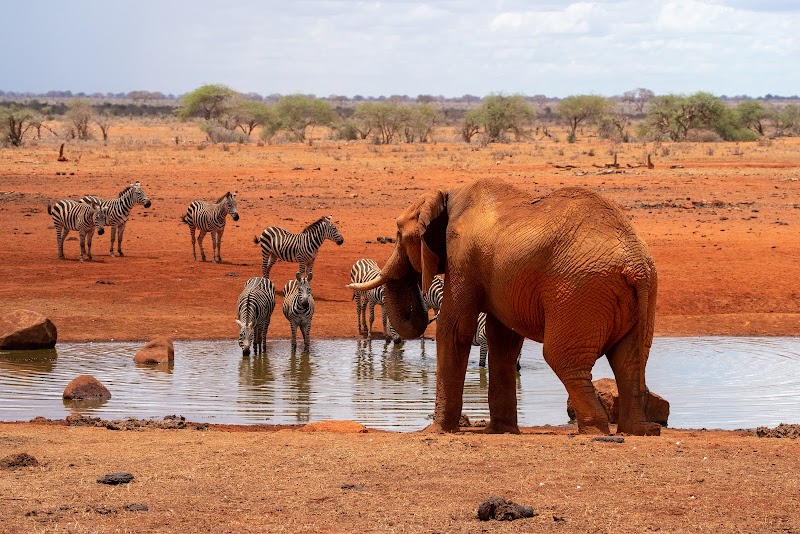
Tsavo East National Park, one of the oldest and largest parks in Kenya, stretches across an impressive 13,747 square kilometers. Known for its vast, open plains and abundant wildlife, Tsavo East offers visitors a glimpse into the untamed African landscape. The striking red elephants, painted by the rich, red soil of the area, are a prominent feature, offering an unforgettable sight against the arid backdrop.
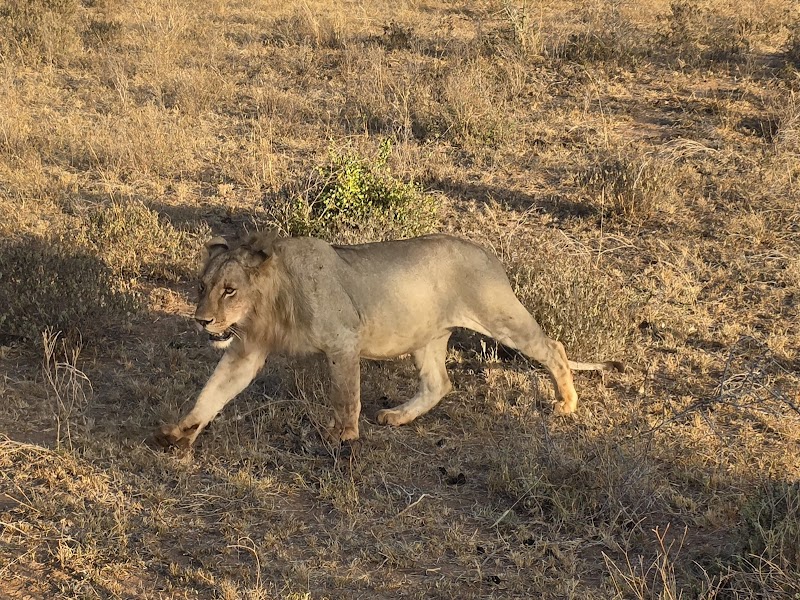
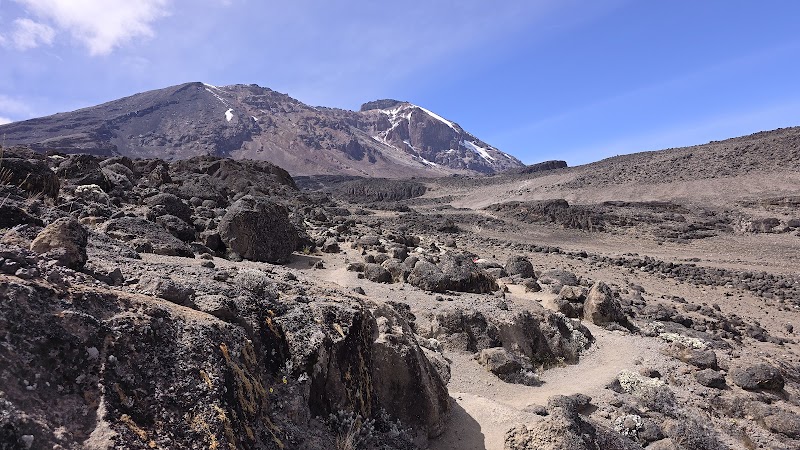
Among the park’s many highlights is the Yatta Plateau, the world's longest lava flow, running for about 290 kilometers. Another must-see is the Lugard Falls, where the Galana River cascades through a series of spectacular rocky formations. The park is also home to the Big Five—elephant, lion, leopard, buffalo, and rhino—providing excellent opportunities for wildlife enthusiasts.
Tsavo East's vast landscapes and diverse ecosystems are a testament to its ecological significance. Established in 1948, it’s not just a sanctuary for wildlife but a cradle of biodiversity and a key conservation area in East Africa. Experience the park’s stunning views and engage with nature at its finest, where the adventure truly begins.
Adventure Guide to Tsavo East National Park
1. Lugard Falls and Canoeing
- What Makes It Special: A breathtaking series of rapids and waterfalls along the Galana River. Enjoy a guided canoeing adventure for an up-close experience.
- Key Features: Dramatic rock formations and a chance to spot crocodiles.
- Visitor Tips: Visit during the dry season (June to October) for the best access. Bring sunscreen and binoculars.
2. Game Drives and Wildlife Viewing
- What Makes It Special: Explore the vast plains for a chance to see the Big Five.
- Key Features: Elephant herds are a highlight, as well as diverse bird species.
- Local Insights: Early morning and late afternoon are prime times for game drives.
- Visitor Tips: Guided tours provide valuable insights; book in advance.
3. Bird Watching on the Voi River
- What Makes It Special: Home to over 500 bird species including the ostrich and secretary bird.
- Key Features: Riverine habitat provides a rich bird-watching environment.
- Visitor Tips: Visit during the migratory season in April for a varied experience. Bring a good camera and bird guidebook.
Visitor Tips
- Best Times:Dry Season (June to October) for favorable conditions and optimal lighting.
- What to Bring:Plenty of water, sun protection, a camera, and respectful Leave-No-Trace mindset.