
What the day feels like
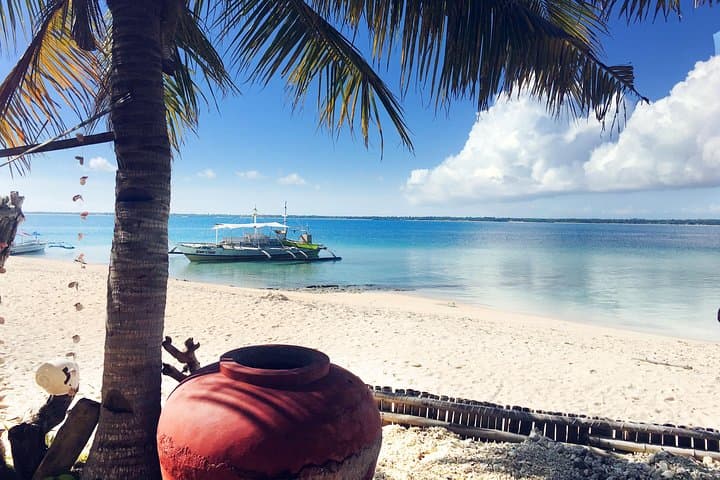
You round the last reef and the boat drops speed. A narrow ribbon of white sand unfurls ahead—an island that looks like someone pinched a shoreline out of a postcard and left it floating in the turquoise. Local laughter drifts from the bow as someone times a running jump off a low coral ledge; a plume of spray and cheers follow. This is Virgin Island, and for the better part of a day it will be both playground and palate: beaches for stretching, a sandbar for slow sunbathing, shallow reefs for snorkeling, and a long-table lunch that puts local seafood and Central Visayan flavors front and center.
The crossing from Bantayan Island feels intimate rather than cinematic. Boats leave from Santa Fe and weave around mangrove edges, past dark reefs and fishermen hauling in nets. The landscape reads written in layers—reef, shallow lagoon, then the dazzling white that gives Virgin Island its reputation. The island itself is small and mutable; tides sculpt it hourly, turning sandbars into isolated crescents and back again. That shifting geography makes each visit a little different. One tide produces a broad crescent for volleyball and barefoot strolls; later the sea laps closer and the island becomes a circular throne of sand.
Bantayan Island's story is stitched into its lookouts and old settlements. The island’s name comes from the Cebuano word bantayan, meaning “to watch” or “lookout.” During Spanish and pirate-era raids the island was a sentinel post for trade routes into Cebu. Today that history is quiet—small churches, watchtowers repurposed into viewpoints—while fishing and sand-lined tourism form the economic backbone. The geology is simple and generous: reefs ring the island, and coralline sands crushed over millennia make the beaches astonishingly pale. The seas here are warm year-round, but values of visibility and current depend on monsoon shifts.
Culturally the day-trip is down-to-earth and communal. Operators often include a family-style lunch: grilled fish, kinilaw (vinegar-cured fish), rice, and seasonal vegetables. If available, seafood tasting might include sugba (grilled) prawns or a simple, fragrant crab stew. Local guides are informal narrators—pointing out a reef turtle, telling you which currents to avoid, or ferrying an extra snorkeling set to the stern.
Why go? For starters, Virgin Island is a compact, low-effort reward: you don’t need to be a scuba diver to see a reef, and a four- to eight-hour outing fits on a traveler's schedule. The mix of swim, snorkel, and stretch—a little cliff-jumping for the bold, a long-layed lunch for the relaxed—makes it a crowd-pleaser for mixed-ability groups. For photographers, the high-contrast palette—clean sand, intense sea, and small human figures—makes compelling frames.
Still, it’s not purely leisure; there’s practical rhythm to an island-hop. Boats run on weather and daylight. Tides change the layout of the sandbar and the safety of jump spots. Fragile reefs need respect. A good trip respects local rhythms: timing departures for morning light and calmer seas, favoring reef-safe sunscreen, and leaving the island as it was found.
Practicalities: the tour runs roughly 4–8 hours, typically including a stopover on Virgin Island for swimming and games, a snorkeling stop, and a local lunch. Tours are usually priced from about USD 61.61 and include boat transfers, lunch, and a guide; confirm whether snorkel gear is provided. Morning departures avoid the strongest sun and most afternoon chop; an early start also gives you clearer water and better visibility.
Safety matters. Currents around the sandbar can be deceptively strong during tidal shifts. If you plan to cliff-jump, check both depth and hold points with your guide; many operators will point out safe ledges and warn about exposed coral. Use a life jacket for rougher conditions and choose a boat operator that limits group size—crowded decks and chaotic launches create risk.
Leave no trace is not a slogan here; it’s a necessity. The island’s small footprint makes it vulnerable to trash and sunscreen-smeared reefs. Use reef-safe sunscreen, pack out what you bring, and avoid stepping on coral when snorkeling. Small actions keep Virgin Island viable for years to come.
For planning: if you’re based on Bantayan, book the trip with a local operator—this product offers instant confirmation and likely-to-sell-out slots on weekends or holiday weeks. If you’re coming from Cebu City, factor in ferry schedules and an overnight on Bantayan; Santa Fe is the most convenient town to base yourself. Bring cash for tips and any extras; small villages may not accept cards.
Final note: island-hopping here is refreshingly unslick. There’s no curated luxury—just a good boat, a patient crew, well-cooked local food, and a sandbar that will let you know precisely how small and essential a perfect day at sea can be.
If you want an accessible, sunlit day that balances splash and culture—seafood, snorkeling, and a sandbar that feels privatized for a few hours—this is the trip. Go early, respect the reef, and be prepared to trade a little planning for a very real slice of the Central Visayas.
Trail wisdom
Small choices, better day.
Time your visit for morning calm
Depart early from Santa Fe for smoother seas, clearer snorkeling visibility, and softer sun during beach time.
Bring reef-safe sunscreen
The reefs are fragile; use mineral-based sunscreen to protect coral and marine life.
Wear water shoes
Sharp coral and hot sand make water shoes practical for getting on and off the boat and exploring rocky edges.
Confirm snorkel gear ahead
Ask the operator if masks/snorkels are included or if you should bring your own for a better fit.
Local knowledge
Read the place, not just the route.
Watch for native species including Green sea turtles (Chelonia mydas), Terns and other coastal seabirds.
Keep an eye out for wildlife during the transition between areas and habitats. Respect distance guidelines.
Virgin Island’s small sandbar and nearby reefs are highly sensitive; use reef-safe sunscreen, avoid touching coral, and take all trash back to the main island for disposal.
Follow the guide's instructions on size limits, ethical handling, and leave-no-trace practices.
Ogtong Cave for a cool freshwater swim on Bantayan Island. Sunrise at Santa Fe Pier for quiet local life and fishermen returning with early catches
Locally recommended viewpoints and quiet spots known best to local operators.
Bantayan Island was historically a lookout and trading post—its name comes from the Cebuano word for “to watch,” referencing defensive watchtowers used during colonial and pirate-era attacks.
Maritime roots and regional tradition shape the waterways and working coasts.
Seasonal guide
Four versions of the same landscape.
Spring
Best forWarm water snorkeling · Fewer crowds on weekday trips
ChallengesHot sun mid-day · Occasional wind shifts
March–May brings hot, dry conditions ideal for snorkeling and beach time—expect stronger sun and calmer seas in early morning.
Summer
Best forBeach games and cliff jumps · Long daylight hours
ChallengesHigh heat and humidity · Increased holiday crowds
June–August can be busy and hot; book weekends in advance and bring shade and extra water.
Fall
Best forLower prices outside peak holidays · Dramatic skies during storms
ChallengesHigher chance of monsoon rains and rougher seas · Reduced visibility when it rains
September–November is transitional—good if you can be flexible, but check forecasts for typhoon season impacts.
Winter
Best forCalmest seas and best visibility · Comfortable temperatures
ChallengesHigher tourist demand around holidays · Limited early-morning ferry availability on some days
December–February is the clearest and most reliable season for calm water and excellent snorkeling conditions.
Operator details
What the booking data adds.
Included
- ✓Lunch is only included if you book the options including meals. In case you booked the lunch as inclusions please let us know what you prefer (meat, seafood, veggies).
- ✓Local guide
- ✓Bottled water
- ✓All taxes, fees and handling charges
- ✓Use of Snorkelling equipment
- ✓Fuel surcharge
- ✓Boat / Boatmen
- ✓Environmental Management Charge (Reef Tax)
Good to know
- ✓Not recommended for travelers with spinal injuries
- ✓Not recommended for travelers with poor cardiovascular health
- ✓Not recommended for pregnant travelers
- ✓Public transportation options are available nearby
- ✓Infants are required to sit on an adult’s lap
- ✓Suitable for all physical fitness levels
- ✓Minimum drinking age is 18 years
- ✓Children must be accompanied by an adult
Pack with intention
What to bring.
Good to know
Common questions.
Most operators make the trip in 15–30 minutes depending on sea conditions and the exact pickup point; total tour duration is typically 4–8 hours.
Plan the edges
The details that make the day easier.
Virgin Island is a shifting sandbar—its shape can change markedly with tides and storms, creating different beach layouts even within one day.
After the day on the sandbar, head back to Santa Fe for grilled seafood at a seaside shack—order sugba (grilled fish) with rice and a local beer; finish with a slow walk along the pier to see local fishermen mend nets.
- trailhead
- Mactan–Cebu International Airport (CEB) then ferry or flight to Bantayan; Driving
- ferry distance
- ferry from Hagnaya to Santa Fe ~1.5–2 hours; Cell service: intermittent on Virgin Island, good on Bantayan; Permits
- passes
- none typically required for day tours—book through licensed operators
Virgin Island’s sandbar and reefs are fragile—use reef-safe sunscreen, avoid single-use plastics, and follow your guide’s rules to protect local marine habitat.
Explore by topic
Follow the threads.
Keep exploring
Make the story part of the trip.
Set out from Bass Harbor for a private, customizable day on Blue Hill Bay — lighthouses, puffins, seals, and the chance to feel Acadia from the water. Small groups, local captains, unforgettable views.
In four hours you can move from shaded canyon ferns to wind-scoured coastal ridgelines, guided by someone who knows where the light—and the hidden views—live. This private half-day hike on the Monterey Peninsula or Big Sur is compact, curated, and perfect for travelers who want depth without a multiday commitment.
 Related story
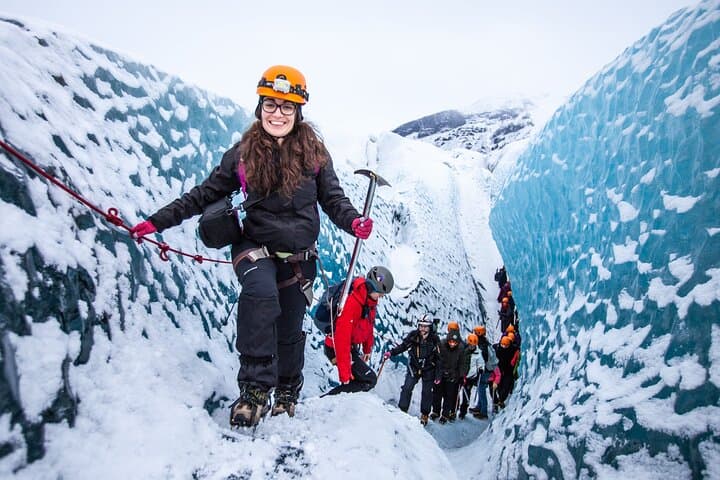
Beneath a sky of shifting light, Skaftafell’s ice reads like a map of time. This three-hour guided glacier hike mixes technical instruction with geology and culture: compact, safe, and unforgettable.