
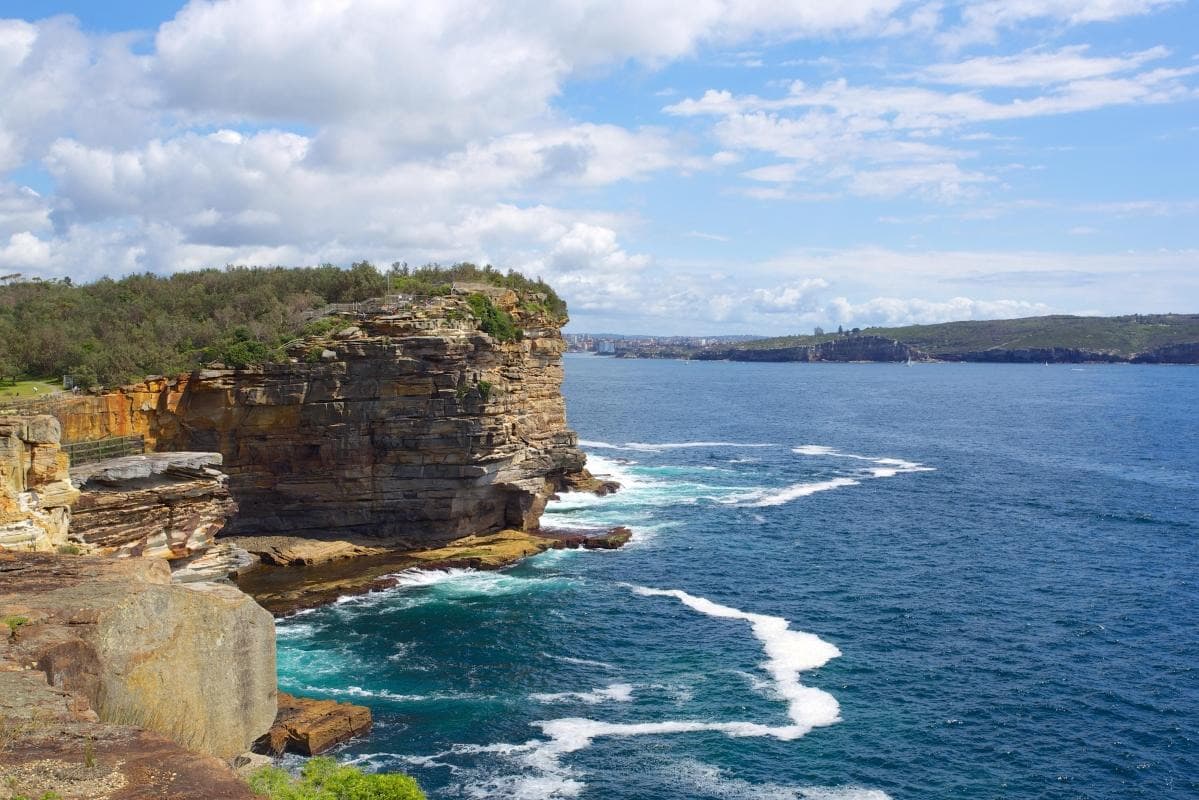
What the day feels like
The ferry slows and exhales a cough of foam as Circular Quay falls away. On the ferry’s open deck, wind pulls at hats and conversations; the skyline of Sydney slides into a battered postcard, then gives way to a different kind of coastline—rocky headlands, neat cottages perched like sentries, and a stretch of water that grins wide and salty. Watsons Bay arrives like an uncomplicated promise: fresh air, fish smoke, a coastal walk that rewards you every few steps with harbour vistas and Pacific drama.
Start at the wharf and the postcard details arrive fast. Doyles on the Beach, a hulking institution of battered seafood platters and oyster counters, has staked its claim on a corner of the promenade for longer than most modern guidebooks have existed. Kids chase seagulls. Local anglers sit patient at the pier. Down at Camp Cove, sunbathers and swimmers make small, stubborn claims to the shoreline. Above it all sits South Head, a sandstone spine that frames the harbour and funnels the ocean’s temperament through a series of cliffs and coves.
There’s a practical bluntness to Watsons Bay; it doesn’t try too hard to be picturesque. Its pleasures are immediate and weather-literate—wind in your face, spray on your knees, a lighthouse that has watched shipping lanes for two centuries. Macquarie Lighthouse, visible from the headland, is part of the story: Sydney’s first lighthouse marking the arrival from sea and the long human effort to navigate this temperamental harbour. The place has an old mariner logic—it’s where the city meets the sea and where people come to leave the city behind for an hour or an afternoon.
Geology and natural history explain why the spot feels so dramatic. The cliffs are local Hawkesbury sandstone, pale and banded, carved by wind and salt into ledges and tiny amphitheatres. Tidal currents shift sandbars and reshape the small beaches; the harbour mouth throws different moods from placid to angry, sometimes within the span of a morning walk. That changing temperament is part of the draw: if you time your visit for calm, you watch ferries and kayaks thread the harbour; if the swell is up, the ocean makes its presence known, telling you very clearly who’s boss.
Watsons Bay’s human history is layered over that geology. The headlands have always been country for the Eora people; colonial maps later named the point for Robert Watson, an early 19th-century harbour pilot who ran a pilot station here. The area’s maritime legacy continued with signal stations, lighthouses and boatyards. Today the story is told in a gentler register: seafood restaurants, summer crowds, and the routine of commuters who still use ferry lines carved into harbour patterns long before roads connected every shore.
That mix—wild coastline, working harbour, and approachable town—makes Watsons Bay supremely bookable and eminently tourable. For a refined afternoon, consider a harbour Progressive Long Lunch Cruise that threads the harbour’s classic sights before dropping you at Watsons Bay for a shoreline stroll and a late lunch. For a brisker introduction, hop a 2-day Hop On Hop Off Harbour Explorer Cruise with a morning whale-watching leg during migration season—there’s a serious chance you’ll watch humpback silhouettes arc against the low sun. Private tours offer a different rhythm: a luxury evening glass-boat dinner that stops over Watsons Bay at dusk, or a curated half-day to stitch Watsons Bay into a larger coastal day that includes Bondi and the South Head cliff walk.
On the ground, start with the South Head Heritage Trail, a short network of paths that takes you past Hornby Lighthouse and the Gap, where the ocean and the cliff have an ongoing argument. Walkers will find short, well-placed viewpoints and informative plaques about shipwrecks, pilot boats and the Aboriginal heritage of the harbour. If you time it right, a ferry across to Manly makes for a two-coast day—Sydney’s harbour on one side, Pacific surf on the other—and several local tour operators make that a seamless transfer with stops and commentary.
Practicalities matter here. The ferry is the best approach: it’s scenic, reduces the parking scramble, and puts you on waterfront time the moment you arrive. Weekends and holidays bring crowds, and the strip around Doyles can get busy at peak lunch. The weather shifts quickly; a windproof layer makes a big difference, and footwear with grip matters on the sandstone ledges. For wildlife-minded visitors, whale season (late winter to spring) elevates a simple harbour hop into a potential migration spectacle; even in summer, pods of dolphins and a variety of seabirds animate the water.
Watsons Bay is an approachable coastal chapter in any Sydney itinerary: you can do it as part of a longer harbour tour, carve an afternoon out of a city stay, or build it into a slow, seafood-and-skyline day. Bring curiosity, leave room for a long lunch, and give the cliffs your full attention—the sky, the water and the angles of light do the rest.
If you’re planning, consider these bookable companions: take a progressive lunch cruise for the carefree, gastronomic way to see the harbour; book a whale-watching hop-on pass if you visit in migration season; and if time is short, a private city tour that includes Watsons Bay gives you the layered context locals value. Regardless of how you arrive, Watsons Bay rewards people who slow down and let the harbour set the tempo.
Trail wisdom
Small choices, better day.
Take the ferry
Ferries from Circular Quay drop you at Watsons Bay in under 30 minutes and put you straight onto the waterfront—skip driving if you can.
Time lunch outside peak hours
Doyles and other waterside cafés fill between 12–2pm on weekends—arrive earlier or later for a table with a view.
Wear grippy shoes
Sandstone can be slippery when wet; good-soled walking shoes keep your footing on the headland tracks.
Bring a wind layer
Even warm days can turn breezy on South Head—pack a light windbreaker for comfort during walks.
Local knowledge
Read the place, not just the route.
Watch for native species including Common dolphins, Migrating humpback whales (seasonal).
Keep an eye out for wildlife during the transition between areas and habitats. Respect distance guidelines.
Watsons Bay sits within parts of Sydney Harbour National Park—respect marked trails, avoid disturbing seabird colonies, and take rubbish with you to protect marine life.
Follow the guide's instructions on size limits, ethical handling, and leave-no-trace practices.
Hornby Lighthouse viewpoint on South Head—less crowded than The Gap but with dramatic harbour views. Hermitage Foreshore Park and Strickland House for quieter picnic spots and sheltered coves
Locally recommended viewpoints and quiet spots known best to local operators.
Named for harbour pilot Robert Watson, the precinct also sits near Macquarie Lighthouse—Sydney’s first lighthouse site and a marker of the city’s maritime past.
Maritime roots and regional tradition shape the waterways and working coasts.
Seasonal guide
Four versions of the same landscape.
Spring
Best forwhale watching · coastal wildflowers · pleasant walking temperatures
Challengesunpredictable wind · increased weekend crowds
Spring (September–November) brings migrating humpbacks through headlands and mild weather—ideal for walks and boat cruises but expect some wind.
Summer
Best forswimming at Camp Cove · sunny harbour cruises · picnics on the headland
Challengesheat and strong sun · crowded beaches and restaurants
Summer is beach season—bring sun protection and book waterfront restaurants in advance.
Fall
Best forcalm seas for boating · clear light for photography · quieter walks
Challengescooler evenings · shorter daylight hours
Autumn offers calm days and softer light—great for harbour cruises and late-afternoon cliff walks.
Winter
Best fordramatic surf and storm-watching · seasonal whale sightings · fewer tourists
Challengescold sea breezes · choppy waters for small-boat outings
Winter can be raw and spectacular; it’s prime time for whale migration but dress warmly for exposed viewpoints.
Pack with intention
What to bring.
Good to know
Common questions.
The most scenic and practical option is the public ferry from Circular Quay to Watsons Bay Wharf—journey time ~20–25 minutes.
Plan the edges
The details that make the day easier.
Watsons Bay takes its name from Robert Watson, a harbour pilot in the early 1800s; nearby Macquarie Lighthouse marks the site of Australia’s first lighthouse, an important navigational point since 1818.
Seafood is central—Doyles on the Beach has anchored the promenade for generations and local cafés specialize in fresh, harbour-to-table fare; the area also hosts a small community of artists and weekend market stalls that reflect Sydney’s coastal culture.
- Getting there
- 20–25 min ferry from Circular Quay. Facilities: public toilets, cafés, picnic spots. Accessibility: wharf-level areas are accessible, headland paths have steps and uneven surfaces. Best for: half-day visits, coastal walks and whale watching.
Use the ferry instead of driving to reduce emissions, respect signage around nesting birds, avoid single-use plastics at waterfront eateries, and stay on marked paths to protect fragile sandstone vegetation.
Explore by topic
Follow the threads.
Keep exploring
Make the story part of the trip.
 Related story
Less than two hours from Nairobi, Kereita Forest pairs hands-on canopy adventure with quiet montane trails and a sobering colonial history—perfect for families, teams, and curious travelers seeking a full-day pulse of nature.
Set out from Bass Harbor for a private, customizable day on Blue Hill Bay — lighthouses, puffins, seals, and the chance to feel Acadia from the water. Small groups, local captains, unforgettable views.
In four hours you can move from shaded canyon ferns to wind-scoured coastal ridgelines, guided by someone who knows where the light—and the hidden views—live. This private half-day hike on the Monterey Peninsula or Big Sur is compact, curated, and perfect for travelers who want depth without a multiday commitment.