
What the day feels like
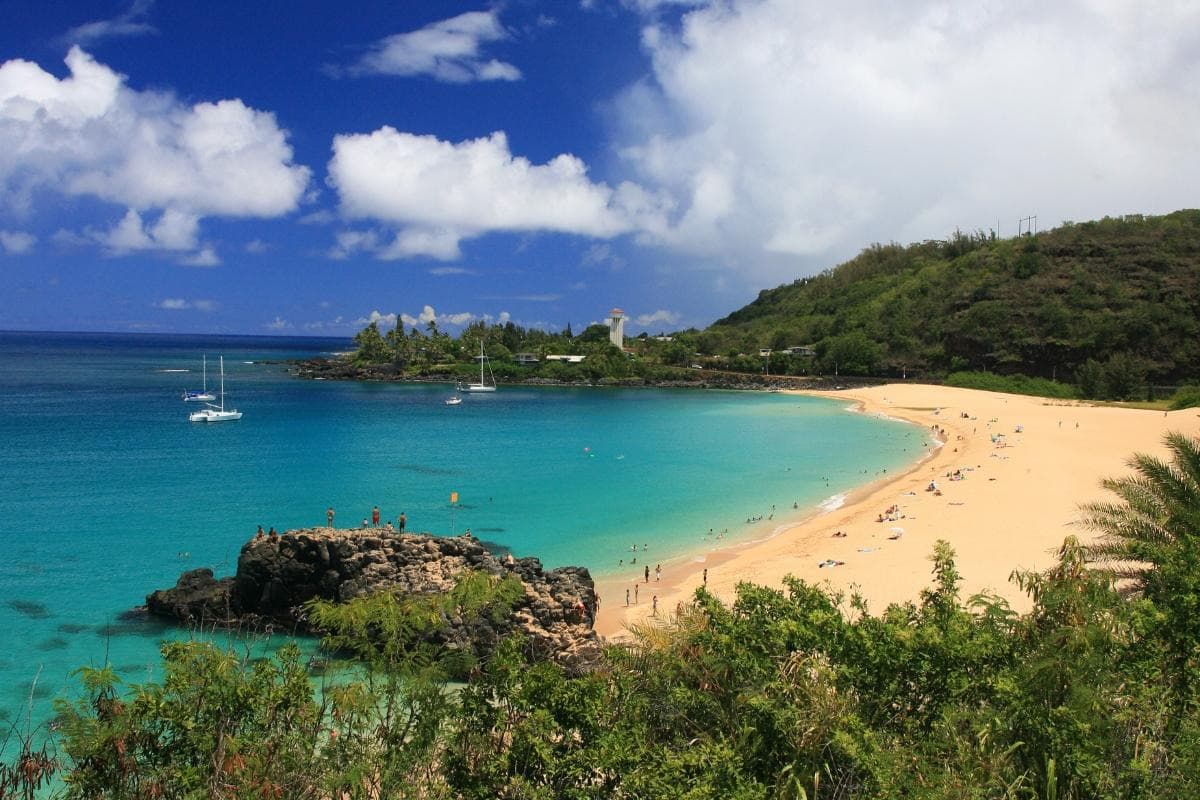
On a clear North Shore morning, the bay sits like an enormous lung inhaling the Pacific. Foam fingers unfurl across the horizon, and the basalt cove—framed by ironwood trees and a low cliff dotted with picnickers—feels both deliberate and alive. In summer the water is glassy and shallow at the sandbar, perfect for families, snorkelers and those who want to climb the famous rock and clear the water in a single, clean arc. In winter, the place transforms: the ocean draws back, the swell thunders in, and Waimea Bay becomes a place of dare and ritual, where big-wave surfers and the crowds that come to watch measure the season in swell charts.
Waimea Bay is more than a postcard; it’s a study in contrast. The bay’s crescent shape shelters a broad sandy beach and a headland that channels some of the most dramatic surf on Oahu. Geologically, the shoreline is the product of volcanic eruptions and centuries of wave-driven erosion, leaving a basalt lip that’s become a jumping platform and a viewing terrace. Culturally, Waimea sits in the heart of the North Shore community—Haleiwa’s surf shops and shrimp trucks are a five- to ten-minute drive away—and the bay has long been a meeting point for locals and visitors alike. The name Waimea means “reddish water” or “river mouth” in Hawaiian, a reminder that these shores are part of a living landscape shaped by both people and sea.
History and surf lore live here. The bay is the stage for the legendary Eddie Aikau Big Wave Invitational, run only when waves crest at least 20 feet—an event that honors a lifeguard and big-wave pioneer whose name is synonymous with courage in Hawaiian water culture. On quieter days, the bay’s reef flats reveal reef fish and the occasional green sea turtle (honu) that slips in from the deeper blue.
For travelers, Waimea Bay is instructive: it’s one of those rare coastal places where the same stretch of sand serves wildly different audiences. Families set up camp near the mouth of a small river and take advantage of the shallow summertime sandbar. Surfers and spectators gather on the headland in winter to watch world-class waves roll in. Day-trip companies thread Waimea into island circuits—look for stops on the “Oahu Grand Circle Island Tour,” “Oahu: All Day Circle Island Tour with Snorkeling,” and private options like “Private North Shore Tour From Waikiki”—so it’s easy to include Waimea in a single-day exploration of Oahu.
Practical edge: the bay is busiest mid-morning through late afternoon, and parking is limited. If you want a quieter sunrise, come early—locals prize the early window when light and water are both calm. If you’re there to watch surf in winter, park with a clear view of the headland and layer up; wind off the ocean can be biting.
What you’ll actually do here depends on the season. In summer, the water sits calm enough for snorkeling and cliff-jumping; the unofficial and most-photographed jump sits roughly 30 feet up on the eastern point. Never underestimate the depth or current—only jump in marked and clear water, and observe local jumpers first. In winter, don’t swim beyond the designated lifeguarded areas—the shore break can be violent, and the same channel that makes this spot perfect for charging waves also forms treacherous currents.
If you’re short on planning time but want the context, choose a guided tour. The full-day circle trips that include Waimea—like the Oahu Grand Circle Island Tour or the All Day Circle Island Tour with Snorkeling—pair the bay with spots like Sunset Beach, Haleiwa Town and the Dole Plantation, and they often provide snorkeling gear and local commentary. Private tours offer flexibility; a Private North Shore Tour From Waikiki or a luxury convertible option lets you linger for photography, chow down at a shrimp truck in Kahuku, or head to a quieter cove.
Safety and etiquette: respect the ocean and the people who live by it. Use reef-safe sunscreen, don’t touch coral or feed wildlife, and follow lifeguard instructions. If you plan to cliff jump, don’t go alone, and avoid jumping during heavy surf or when the water looks clouded. Leave no trace—take rubbish with you and don’t remove shells or coral.
Logistics and planning notes: pack water, shade, and a light dry layer for early-morning breezes. If you’ll snorkel, bring or rent a mask and snorkel; many tours provide gear. For winter surf-watching, bring binoculars and a telephoto-capable camera. If you want to soak up more of the North Shore scene, spend an afternoon in Haleiwa for shave ice, local cafes and surf shops.
Why go? Waimea Bay compresses the essence of the North Shore into a single day’s worth of choices: spectacle and quiet, play and respect. Whether you’re watching pros charge when the swell is up or building sandcastles in a tide-smoothed cove, the place teaches you how variable the ocean can be—and how easily a day at the beach can turn into a story. For planners, the bay’s connectivity via island tours makes it an easy, high-reward stop on any Oahu itinerary. For lovers of raw coastal scenes and good, clear water, Waimea Bay is essential.
If you go: arrive early, read the water, lean into local knowledge (ask a lifeguard or a surf shop employee), and remember that the best experiences here are the ones that respect the bay’s power as much as its beauty.
Trail wisdom
Small choices, better day.
Time your visit
Arrive at sunrise for calm water and easier parking; mid-morning brings crowds and stronger winds.
Check conditions first
In winter, consult local surf reports or ask lifeguards—waves can be 20+ feet and unsafe for swimming.
Cliff jump cautiously
Watch local jumpers before you try—only jump where the water is deep and current-free, and never alone.
Protect the reef
Wear reef-safe sunscreen and avoid touching coral to preserve marine life and water clarity.
Local knowledge
Read the place, not just the route.
Watch for native species including Green sea turtle (honu), Reef fish such as parrotfish and surgeonfish.
Keep an eye out for wildlife during the transition between areas and habitats. Respect distance guidelines.
Local groups and park staff emphasize reef protection and no-touch rules; using reef-safe sunscreen and disposing of trash properly helps keep the bay healthy.
Follow the guide's instructions on size limits, ethical handling, and leave-no-trace practices.
Walk the short trail toward Waimea Falls for a quieter outlook and native plantings (access may require fees or reservation in Waimea Valley).. Haleiwa town's Old Train Station area—great for local food, surf shops, and a calmer shoreline vibe.
Locally recommended viewpoints and quiet spots known best to local operators.
Waimea Bay has been central to North Shore water culture for generations and is the traditional site of the Eddie Aikau Big Wave Invitational, honoring a famed Hawaiian lifeguard and surfer.
Maritime roots and regional tradition shape the waterways and working coasts.
Seasonal guide
Four versions of the same landscape.
Spring
Best forCalmer surf · Off-peak crowds
ChallengesOccasional frontal swell · Variable winds
Spring offers a mix of gentle days for snorkeling and occasional larger swells—good for mid-season surf watching with fewer crowds.
Summer
Best forSnorkeling · Cliff jumping · Family-friendly swimming
ChallengesLimited shade · Crowded weekends
Warm, usually calm water makes summer ideal for snorkeling and cliff jumping; arrive early to beat the crowds and sun.
Fall
Best forSurf transition · Photography · Fewer tourists
ChallengesUnpredictable swells · Changing currents
Fall can swing between summer calm and winter onset—great for photographers chasing changing light and surf conditions.
Winter
Best forBig-wave watching · Surf culture observation · Watching contests
ChallengesExtreme surf · Strong shore break and currents
Winter is big-wave season; the bay becomes a high-adrenaline spectacle best observed from shore unless you’re a professional surfer.
Pack with intention
What to bring.
Good to know
Common questions.
No—summer is generally safe for swimming in lifeguarded areas, while winter sees large swells and dangerous shore breaks; always check conditions and follow lifeguard guidance.
Plan the edges
The details that make the day easier.
Waimea Bay hosts the legendary Eddie Aikau Big Wave Invitational—held only when waves reach at least 20 feet—celebrating the Hawaiian lifeguard and big-wave pioneer Eddie Aikau.
Haleiwa’s shrimp trucks, shave ice stands, and surf shops give the North Shore its flavor—pair a bay visit with garlic-shrimp plates in Kahuku and a stroll through Haleiwa for local crafts and aloha hospitality.
- Parking
- limited; Lifeguards: present seasonally; Best times: sunrise (calm) and late afternoon (light); Tours: many circle-island and private North Shore tours include Waimea.
Use reef-safe sunscreen, avoid walking on coral, pack out all trash and give wildlife space—small choices here protect a globally significant reef system.
Explore by topic
Follow the threads.
Keep exploring
Make the story part of the trip.
 Related story
Less than two hours from Nairobi, Kereita Forest pairs hands-on canopy adventure with quiet montane trails and a sobering colonial history—perfect for families, teams, and curious travelers seeking a full-day pulse of nature.
Set out from Bass Harbor for a private, customizable day on Blue Hill Bay — lighthouses, puffins, seals, and the chance to feel Acadia from the water. Small groups, local captains, unforgettable views.
In four hours you can move from shaded canyon ferns to wind-scoured coastal ridgelines, guided by someone who knows where the light—and the hidden views—live. This private half-day hike on the Monterey Peninsula or Big Sur is compact, curated, and perfect for travelers who want depth without a multiday commitment.