
What the day feels like
Morning slips over the sandstone mesas like a slow pour of honey, and the San Juan answers with a soft shiver. At Texas Hole, the river’s most storied bend below Navajo Dam, the current seems to breathe—glassy one second, freckled with dimples the next as trout rise to midges you can barely see. Waders whisper against willows; boot studs tick against cobbles polished by decades of cold, steady release. The guide points to a seam no wider than your forearm. “There,” he says, letting the water do the rest of the teaching. Four hours on this tailwater is enough to reset your cadence, a compact immersion where the river sets the beat and you learn to keep time. This half-day wade with Durango Fly Fishing is made for travelers who want substance without the sprawl—targeted instruction, small groups, and a classic piece of trout water that rewards attention to the smallest details. The San Juan below Navajo Dam is a year-round fishery shaped by controlled flows. Cold, clear water tumbles from the base of the dam, carrying microscopic midges and mayflies that turn trout into specialists and anglers into students. It’s easy to be humbled here, but it’s just as easy to learn fast with a patient guide at your shoulder. That’s the promise of a guided <a href="https://app.advcollective.com/local-experts/half-day-wade-trip-san-juan-river-fly-fishing-new-mexico">half-day wade trip on the San Juan River</a>: focused time where the technical becomes approachable and the river’s subtle language starts to make sense. Your day begins at the Texas Hole Parking Lot off NM-511—simple access, no raft shuttle logistics, and the water is right there. The guide lays out rods, checks leaders, and inspects microscopic flies with the squint of a jeweler. All the essentials are provided—rods, reels, and terminal tackle—so you can travel light and put your energy into line control rather than gear wrangling. With up to three anglers per guide, there’s space for one-on-one coaching. New to fly fishing? Perfect. The San Juan excels as a classroom. Seasoned angler looking to crack the code on tiny flies and shy takes? Also perfect. This river will make you sharper. A few casts in, you can feel the tailwater’s personality. The current nudges your knees like an insistent friend; seams blink in and out of focus as the light changes. Trout cruise the pale-green lanes like rumors. You adjust—lower your rod tip, mend upstream as if you’re pouring the line onto the water, and watch for a hesitation barely thicker than the tippet itself. When the indicator ticks—more a suggestion than a strike—you lift, and the river protests, then relents, then surges. The fish is strong, quicker than expected, and the current adds its own opinion. The San Juan doesn’t just host your fight; it choreographs it. Between casts, the guide drops local lore: how Navajo Dam, completed in the 1960s as part of the Colorado River Storage Project, changed the fishery forever by stabilizing flows and temperatures; how the “Quality Waters” stretch matured into one of the most prolific trout zones in the country. The geology around you reads like a time capsule—layered sandstone and shale cupping a ribbon of cold that defies desert expectations. And the culture here is twofold: a tight-knit angling community anchored by humble fly shops and riverside motels, and the broader Four Corners backdrop where Indigenous history and frontier stories still shape the tone of small towns like Aztec and nearby Farmington. Practicality is part of the appeal. In four hours you can work multiple micro-environments: the soft tailouts at Texas Hole, pockety side channels known as the Braids, and the slick flats that demand stealth and fine tippet. Guides coach the details—tight-line nymphing through bouldery lanes, delicate drifts with fine fluorocarbon, and clean releases with rubber nets. Regulations matter here: expect barbless, single-hook, artificial-only rules in the Quality Waters, and a strong culture of catch-and-release. That makes the fish smarter, yes—but also abundant and robust. And while the river is generous in any season, a half-day format lets you fit the bite window. Spring mornings can be blue-winged olive clinics; summer’s early starts beat the heat and the monsoon; fall days slip into a golden, low-angle light that seems to sharpen your senses; and winter offers midge hatches so steady you may forget there’s snow on the banks. Durango Fly Fishing keeps it streamlined: you bring a valid New Mexico fishing license, a day-use park pass if driving your own vehicle, and the willingness to learn; they handle the rest. The wade is friendly but real—slippery rocks, knee-deep pushy water, and a bit of choreography with other anglers. Wear supportive boots, consider a wading staff, and you’ll move with confidence. The river responds to careful steps; boulders whisper your route; the current dares you to read it better. You will. In a half day, the San Juan teaches patience and precision. It also gifts flashes you won’t forget: a bald eagle riding the thermals, the low thunder of the dam upstream, the intimate thrill of sighting a trout tucked along a rock seam, then coaxing it to hand with a fly the size of a breadcrumb. When you wrap, the river keeps moving, already inviting you back. You’ll replay the drifts on the drive toward Aztec—how you lifted just late, or how the guide’s quiet suggestion to “mend sooner” turned the next cast into a sure thing. And you’ll file away the rhythm, the feel of line and water in balance, the way a tailwater insists on both humility and finesse. If you have more time in the region, tack on a visit to Aztec Ruins National Monument or toast the day’s fish stories at a local taproom. But if you’re here for a quick hit of high-caliber trout water with expert guidance and minimal fuss, this <a href="https://app.advcollective.com/local-experts/half-day-wade-trip-san-juan-river-fly-fishing-new-mexico">San Juan River fly fishing</a> session is the move. A half-day is enough to get hooked. The river will see to the rest. Ready to step in? Learn more and reserve your <a href="https://app.advcollective.com/local-experts/half-day-wade-trip-san-juan-river-fly-fishing-new-mexico">guided San Juan wade trip</a> and let the tailwater set your pace.
Trail wisdom
Small choices, better day.
Know the regulations
In the Quality Waters, expect barbless, single-hook, artificial-only rules and catch-and-release practices. Your guide will help rig legally and ethically.
Traction is everything
Felt or studded soles and a wading staff make the San Juan’s slick cobbles far more manageable for steady footing.
Mind the releases
Check Navajo Dam flow releases before you go—changing water levels affect wade safety and fish positioning.
Sun-smart strategy
High-desert sun is intense even in cool months; wear a brimmed hat, polarized shades, and sun gloves for comfort and visibility.
Local knowledge
Read the place, not just the route.
Watch for native species including Bald eagle, Great blue heron.
Keep an eye out for wildlife during the transition between areas and habitats. Respect distance guidelines.
Clean and dry gear to prevent aquatic invasive species, use rubber nets, and keep fish wet—especially during summer. Avoid stepping on spawning redds in fall.
Follow the guide's instructions on size limits, ethical handling, and leave-no-trace practices.
The Braids below Texas Hole—skinny side channels that reward stealth and short drifts. Cottonwood Campground riverside trail—an easy stroll to scout water and spot rising fish
Locally recommended viewpoints and quiet spots known best to local operators.
Navajo Dam, completed in 1962, transformed the lower San Juan into a renowned tailwater, stabilizing flows and creating ideal trout habitat.
Maritime roots and regional tradition shape the waterways and working coasts.
Seasonal guide
Four versions of the same landscape.
Spring
Best forBlue-winged olive hatches · Cooler air temps
ChallengesVariable flows during runoff management · Cold mornings
Spring brings BWO activity and happy nymphing under changing skies; dress in layers and watch release schedules.
Summer
Best forTerrestrial patterns · Early-morning sight fishing
ChallengesMidday heat and glare · Monsoon thunderstorms
Fish early or late for the best action; stay hydrated, use a sun hoody, and keep an eye on fast-building afternoon storms.
Fall
Best forLow-angle light for sight fishing · Fewer crowds
ChallengesCool mornings · Spawning redds to avoid
Crisp days and clear water reward stealth; step carefully and never wade through visible redds.
Winter
Best forConsistent midge hatches · Quiet banks and solitude
ChallengesIcy edges and cold hands · Short daylight
Dress warm, focus on slow seams, and expect steady midging under bluebird skies.
Pack with intention
What to bring.
Good to know
Common questions.
Meet at the Texas Hole Parking Lot, 1191 NM-511, Navajo Dam, NM 87419. Your guide will confirm exact timing and vehicle details.
Plan the edges
The details that make the day easier.
The San Juan River’s Quality Waters below Navajo Dam have been documented to hold over 10,000 trout per mile, making it one of the most productive tailwaters in the United States.
Post-river, head to Aztec’s 550 Brewing Taproom for a cold pint and a pizza pop-up, or grab classic New Mexican fare—think green chile everything—at a local family spot. If you have time, wander Aztec Ruins National Monument to connect the day’s river rhythm with the region’s deeper human story.
- Closest airport
- Durango–La Plata County (DRO), ~1 hour by car; Trailhead
- Access
- Texas Hole Parking Lot, off NM-511 near Navajo Dam; Drive time from Aztec: ~35 minutes; Cell service: Limited in canyon areas—plan ahead; Permits: New Mexico fishing license required; $5 Navajo State Park day-use fee if driving your own vehicle.
This is a heavily used, world-class tailwater—pack out all tippet, crush barbs, wet hands before handling fish, and decontaminate gear to prevent the spread of invasive species between rivers.
Explore by topic
Follow the threads.
Keep exploring
Make the story part of the trip.
In four hours you can move from shaded canyon ferns to wind-scoured coastal ridgelines, guided by someone who knows where the light—and the hidden views—live. This private half-day hike on the Monterey Peninsula or Big Sur is compact, curated, and perfect for travelers who want depth without a multiday commitment.
 Related story
Beneath a sky of shifting light, Skaftafell’s ice reads like a map of time. This three-hour guided glacier hike mixes technical instruction with geology and culture: compact, safe, and unforgettable.
 Related story
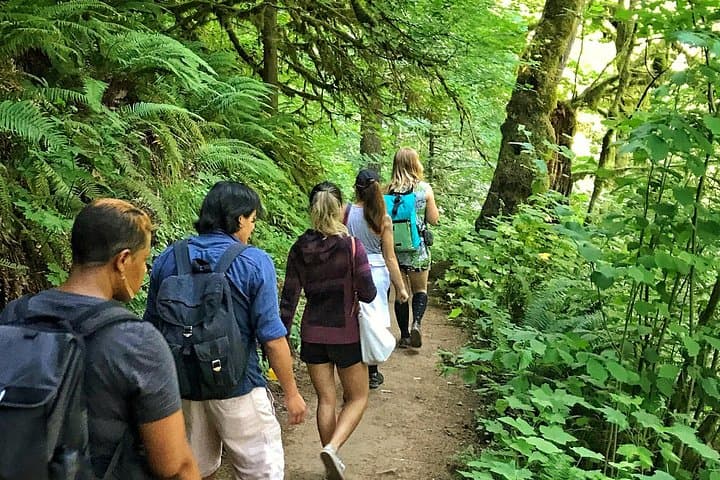
Lose the city for a few hours without leaving it: this 5-mile, 900-foot-gain Forest Park loop threads old-growth pockets, city viewpoints, and cultural landmarks for a compact taste of Portland’s wild side. Expect moss, roots, and stories.