
What the day feels like
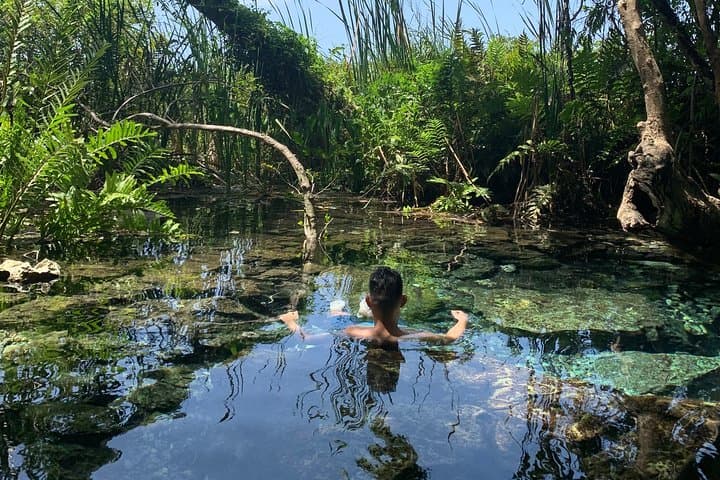
<p>The trail begins like a whispered invitation: a sandy path flanked by scrub and sea grape, the ocean humming just beyond the dune line. Within minutes the clamor of the city recedes and the coastline takes on a cleaner language—rock, wind, and water trading stories. On a private outing along Puerto Rico’s northern shoreline you negotiate low limestone outcrops, duck into a swallow-studded cave, and slip into a crystal-clear spring whose exit feels as close to a natural reset button as you can find near San Juan.</p>
<p>This is not a mountaintop conquest or an all-day exposure to alpine extremes. It’s a four- to five-hour arc of close-in exploration—part short hikes, part swims, part spelunking—designed to reveal the quieter, less-photographed rhythms of the island. Expect about 2–4 miles of walking on uneven ground with cumulative elevation gain under 500 feet, frequent stops to admire tide-worn rock and bird colonies, and at least one cooling swim in a freshwater pool. The tour’s tempo is conversational: a private guide sets the pace, points out small-shell fossils lining limestone shelves, and times beach exits for low tide so you can peer into sea-sculpted caves without the Atlantic riding high.</p>
<p>Geologically, you’re walking on Puerto Rico’s northern karst—an ancient limestone platform sculpted by the ocean and rain into sinkholes, caves, and caverns. That porous rock holds springs where rain filters down and re-emerges as startlingly clear water. Culturally, this coast has been a marginal but vital zone for fishermen, coconut vendors, and communities whose livelihoods have long been tied to the sea. The private format of the tour makes it possible to hear those local stories: your guide will point out indigenous Taíno petroglyphs when they appear on a rockface and explain how limestone caves were used as shelter and ritual space across centuries.</p>
<p>One highlight is Cueva de las Golondrinas, the Swallow Cave, named for the birds that nest in its mouth. Inside, you find a micro-ecosystem—stalactites and dark, moist recesses where bats and insects do their quiet work, and where light falling at just the right angle throws a dusting of gold across the stone. The guide will ask for silence in these spaces; it’s about respect as much as it is about wildlife watching.</p>
<p>The swim stops are short and delicious: a plunge into mineral-clear spring water that feels cooler than the ocean and a salty dip when the tide allows. Both remind you how varied one coastline can be—salt and fresh, erosion and deposition, current and calm—sometimes within a few hundred yards of each other. If you’re curious about how these features form and what they mean for local species, the guide can explain the delicate hydrology that keeps the springs flowing and the shoreline shifting.</p>
<p>Practical things to know: the hike is easy to moderate for anyone who can manage uneven footing and inclines of a few hundred feet. Footwear matters—light trail shoes or sturdy water shoes that grip wet rock will keep you steady. Bring reef-safe sunscreen, a small day pack with at least a liter of water, and a towel; the spring swim is optional but recommended. The private nature of the tour means you won’t be funneled through crowded viewpoints; instead you’ll get time to explore at your own pace and ask questions about everything from local flora to where to grab the best post-hike bite.</p>
<p>For photographers the light is generous in the morning and late afternoon when shadows thicken and the karst textures come alive. If you want to time the cave visit for bird activity, ask the operator about seasonal swallow patterns and the best tide windows. The tour is designed to be flexible: guides time visits so you can minimize the risk of high water in the caves and maximize comfortable swims in freshwater pools.</p>
<p>Because the tour is private, it also functions as a gentle primer in low-impact travel. Guides emphasize leaving no trace, protecting bird colonies by avoiding loud noises near nesting areas, and treading lightly on fragile limestone formations. If your aim is both to see and to understand—how the north coast’s geology and culture intertwine—this is a tidy, accessible way to spend half a day off the usual itinerary.</p>
<p>Want to go deeper? Bookers can combine this outing with nearby cultural stops or a meal at a seaside kiosk. For planning and bookings, see the full listing for this <a href="https://app.advcollective.com/local-experts/explore-puerto-ricos-north-coast-private-hidden-beach-hike-cave-swim">north coast private hike, cave, and swim</a>, which lays out timing, meeting points, and what to expect. Whether you’re a fast hiker who loves geology or a traveler intent on a quiet day away from hotel crowds, this private tour offers a compact, richly layered slice of Puerto Rico that feels both wild and intimately local.</p>
<p>In short: bring sensible shoes, an appetite for small discoveries, and a willingness to move slowly. The reward is not one sweeping vista but a string of precise, memorable moments—sun on limestone, a swallow’s wing flicker at the cave mouth, the clear shock of a spring plunge—that together make for a quietly unforgettable morning on Puerto Rico’s north coast. Learn more and reserve your spot through the tour page here: <a href="https://app.advcollective.com/local-experts/explore-puerto-ricos-north-coast-private-hidden-beach-hike-cave-swim">Hidden Gems of the North, Puerto Rico Private Tour</a>.</p>
Trail wisdom
Small choices, better day.
Wear grippy footwear
Choose light trail shoes or water shoes—the route includes wet limestone and sandy stretches where traction matters.
Bring reef-safe sunscreen
Protect your skin and marine life; you’ll be switching between freshwater and saltwater swims.
Time for tides
Low tide makes cave entrances accessible and safer—ask your guide about tide windows the morning of your tour.
Hydrate and pack a towel
A liter of water and a compact towel are essential for comfort during swims and breaks.
Local knowledge
Read the place, not just the route.
Watch for native species including Caribbean swallows (in cave mouths), Fruit bats in cave interiors.
Keep an eye out for wildlife during the transition between areas and habitats. Respect distance guidelines.
The area’s ecosystems are sensitive—avoid disturbing nesting birds, don’t collect shells or coral, and pack out trash to protect coastal habitats.
Follow the guide's instructions on size limits, ethical handling, and leave-no-trace practices.
Small freshwater springs tucked into limestone outcrops just off beaten paths. A secluded beach cove with a shallow sandbar perfect for wading
Locally recommended viewpoints and quiet spots known best to local operators.
Puerto Rico’s north coast sits on a limestone karst that has shaped human use for centuries; caves were used by Taíno communities and later by coastal fishermen.
Maritime roots and regional tradition shape the waterways and working coasts.
Seasonal guide
Four versions of the same landscape.
Spring
Best forClearer springs · Birdwatching · Fewer summer crowds
ChallengesOccasional rain showers · Variable tides
Spring balances mild weather with good light; bird activity is high and fresh springs are clear and refreshing.
Summer
Best forWarm sea swims · Longer daylight · Lush vegetation
ChallengesHeat and humidity · Afternoon storms
Summer offers warm water but plan for heat—start early and carry extra water, and expect brief tropical downpours.
Fall
Best forCalmer winds · Good light for photography · Fewer visitors after peak
ChallengesHurricane season tail risks · Warmer seas
Fall can be excellent outside active storm windows; monitor forecasts and book flexible options.
Winter
Best forDry conditions · Cooler hiking temps · Excellent visibility
ChallengesOccasional swell on exposed coast · Higher visitor demand in holiday weeks
Winter (the island’s dry season) typically delivers the most stable weather and comfortable hiking conditions.
Operator details
What the booking data adds.
Included
- ✓Private transportation
- ✓Bottled water
- ✓Air-conditioned vehicle
- ✓Tour Guide
Not included
- —Additional fee for pick up/drop off out of the San Juan area
- —Gratuities
Good to know
- ✓Not recommended for travelers with spinal injuries
- ✓Not recommended for travelers with poor cardiovascular health
- ✓Not recommended for pregnant travelers
- ✓Suitable for all physical fitness levels
Pack with intention
What to bring.
Good to know
Common questions.
The private tour lasts about 4–5 hours with a relaxed, flexible pace—planned stops for swims and cave visits make it more of an exploratory outing than a continuous hike.
Plan the edges
The details that make the day easier.
Puerto Rico’s northern coastline is underlain by limestone karst that produces caves and freshwater springs—features that host unique wildlife like swallows and bats.
After the hike head to Piñones or a seaside kiosk for fritters (alcapurrias) and coconut water; in San Juan try a mofongo and a local craft beer in Santurce to round out the day.
- Closest airport
- Luis Muñoz Marín International (SJU); Typical drive from San Juan: 30–60 minutes to north-coast trailheads; Cell service: good in towns, patchy near remote caves; Permits: none usually required for guided private tours—operator handles access.
Avoid disturbing nesting swallows and bats, stick to established paths on fragile limestone, and pack out all trash—small actions help preserve these coastal microhabitats.
Explore by topic
Follow the threads.
Keep exploring
Make the story part of the trip.
 Related story
Less than two hours from Nairobi, Kereita Forest pairs hands-on canopy adventure with quiet montane trails and a sobering colonial history—perfect for families, teams, and curious travelers seeking a full-day pulse of nature.
Set out from Bass Harbor for a private, customizable day on Blue Hill Bay — lighthouses, puffins, seals, and the chance to feel Acadia from the water. Small groups, local captains, unforgettable views.
In four hours you can move from shaded canyon ferns to wind-scoured coastal ridgelines, guided by someone who knows where the light—and the hidden views—live. This private half-day hike on the Monterey Peninsula or Big Sur is compact, curated, and perfect for travelers who want depth without a multiday commitment.