
What the day feels like
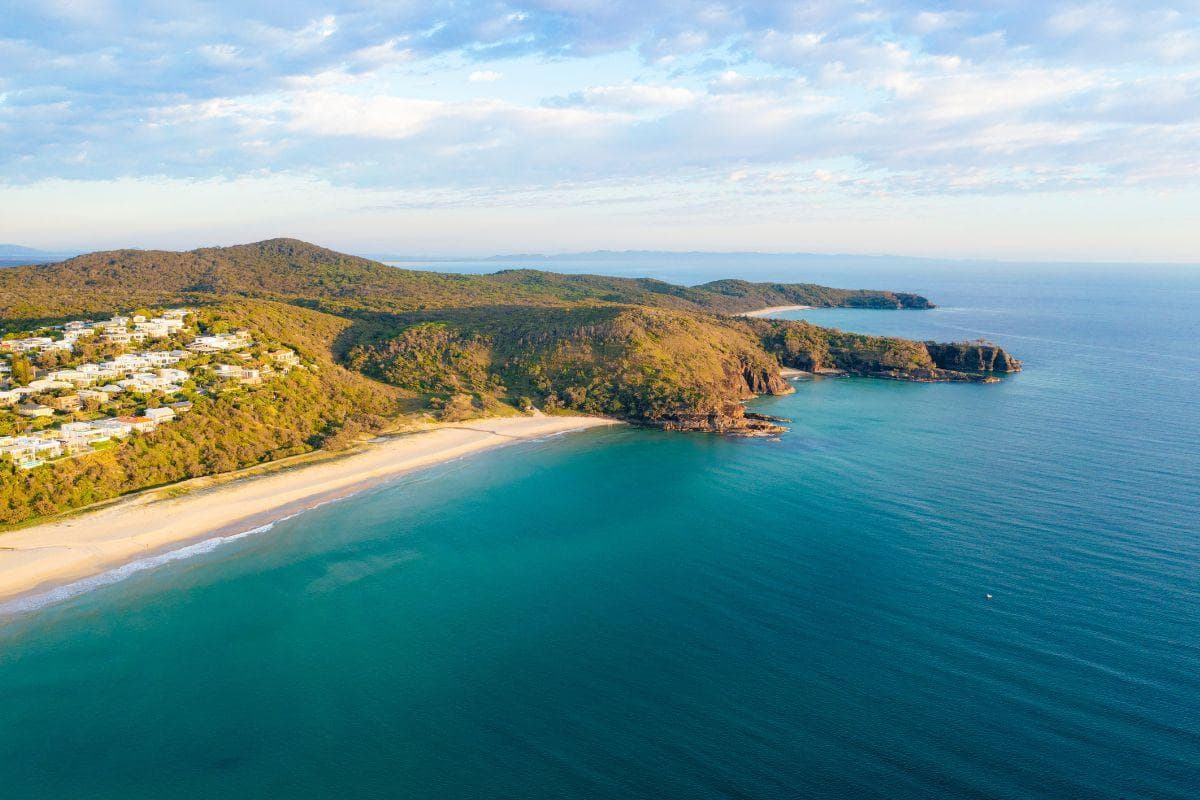
By dawn the beach feels like it’s been put on pause: early light slices the ocean into silver lanes, tumble of surf pulls and releases along a broad curve of sand, and the headland to the north—Noosa’s familiar sentinel—sits like a promise. Sunshine Beach is not a private island of solitude; it’s a working coastline that invites you to move through it. Surfers test the pebble-and-swell break, runners trace thin footprints toward the dunes, and offshore you can see the wake of a small boat that will soon be hunting for dolphins. The place pushes and receives you at once—sun daring you to wade, currents testing your sea legs, ocean life putting on unscripted performances.
Sunshine Beach is an entry point to the greater Noosa experience: a sun-drenched shoreline backed by low dunes, edged by cliffed headlands and a mosaic of coastal heath that leads into Noosa National Park. It’s a landscape shaped by sand and surf, where human history sits lightly atop a much older story. The Gubbi Gubbi (Kabi Kabi) people are the traditional owners of this coastline; their connection to the river, the sea and the headlands precedes the holiday cottages and surf clubs of the 20th century. In the last century, Noosa’s rise as a holiday destination brought cafes and boutique shops to the narrow streets; today Sunshine Beach retains both a relaxed local rhythm and easy access to curated adventure—boat tours, coastal walks and small-group nature experiences.
Geology here is a study in contrasts: wide beaches that build and shift with the seasons, and rocky headlands that stubbornly resist the tide. Noosa National Park, a short walk from Sunshine Beach, offers the most obvious transition: scrubby coastal heath, pandanus and sheoak framing views back across the bay. Walk north along the coastal track and the path alternates between boardwalk, packed sand and stair-stepped rock. The ocean is always in the picture, sometimes gentle and blue, sometimes brimming and grey with wind-whipped whitecaps.
The attraction here is dual: the land invites deliberate exploration—short coastal walks, picnic lunches at the headland, lazy afternoons on sand—while the sea offers kinetic possibility. That’s where the experience-based operators come in. If you want the full marine theater, step aboard a local operator like Noosa Thriller for a compact ocean-and-dolphin adventure: small groups, an experienced skipper and the fast, splashy punch of an open boat. For an educational edge, AAA NOOSA Whale watching experience in Noosa Whalesongsnoosa pairs researchers and an onboard hydrophone, letting you hear—and sometimes record—life beneath the waves. For a curated day on land and water, Secrets of Noosa Tour with Oceanview Lunch takes you through hidden corners of the region with a ferry ride, waterfront lunch and guided stops. If you’re traveling in a group or want complete flexibility, the Private Group Tour Brisbane & Gold Coast Personal Tours will tailor a day that can include Sunshine Beach as a quieter counterpoint to busier Gold Coast highlights.
Practicality matters here. If your aim is surf, take local advice; the reef and beach breaks move with swell and tide. Swim only in flagged areas and heed lifeguards when they’re on duty—rips can form around headlands. If you’re booking a wildlife tour, mornings often bring calmer seas and better visibility; whale season along the east coast runs in the cooler months, and dolphin sightings are reliable year-round. Boat trips vary from short dolphin rides to longer wildlife excursions—pack sun protection, a wind layer and a small waterproof for your phone or camera.
The rhythm of a Sunshine Beach day is simple and satisfying: sunrise jog or warm-up stretch; a coastal walk into Noosa National Park or a short swim; mid-morning jump on a dolphin or whale tour; lunch at a beachfront cafe; a slow afternoon spent reading or exploring local shops. Into evening, the light softens and the headland keeps its watch. For planning: parking near the beach can fill quickly on summer weekends; public transport and local ferries (linked to some guided tours) offer a relaxed alternative. Book marine tours ahead in high season if you want a particular time and small-group format.
Beyond logistics, part of visiting Sunshine Beach responsibly is recognizing its sensitivity. The dunes are fragile, the marine environment is busy with migratory species, and the local economy depends on both tourism and the continued health of the ocean. Choose reef-safe sunblocks, keep to paths, and give wildlife the space it needs—boats that maintain respectful viewing distances make for better long-term encounters.
Sunshine Beach remains a deceptively simple place: sand, surf and views that reward repeated visits. Whether you come to run a soft morning loop, to chase dolphins on a small-boat tour, or to stitch together a day of food, ferry and coastal discovery, this corner of Noosa hands you options without pretense. It’s the kind of slice of coastline that nudges you to slow down—observe the small details—and then rewards you, sometimes with a dorsal fin cutting the water, sometimes with a perfect long wave rolling in under an endless sky.
Trail wisdom
Small choices, better day.
Swim between the flags
Lifeguards advise swimming only in flagged areas—rips can form around headlands, especially after storms.
Bring reef-safe sunscreen
Protect your skin and the marine environment; apply often and after towel-drying.
Book morning boat slots
Calmer seas and clearer water in the morning increase chances of dolphin and whale sightings.
Carry a lightweight wind layer
Small boats feel cold on the return leg—an extra layer keeps you comfortable without bulk.
Local knowledge
Read the place, not just the route.
Watch for native species including Bottlenose dolphins, Humpback whales (seasonal).
Keep an eye out for wildlife during the transition between areas and habitats. Respect distance guidelines.
Respect marine life viewing distances and avoid reef-damaging sunscreens; local operators follow guidelines to minimize disturbance to whales and dolphins.
Follow the guide's instructions on size limits, ethical handling, and leave-no-trace practices.
Tea Tree Bay in Noosa National Park for quieter swimming. Noosa Marina ferry rides at sunset for calm water and river views
Locally recommended viewpoints and quiet spots known best to local operators.
The Gubbi Gubbi (Kabi Kabi) people are the traditional owners of the Noosa coastline; Noosa National Park was among the early areas set aside for conservation in the region.
Maritime roots and regional tradition shape the waterways and working coasts.
Seasonal guide
Four versions of the same landscape.
Spring
Best forWhale watching · Coastal wildflowers · Pleasant beach walks
ChallengesVariable weather · Breezy afternoons
Spring brings whale migration and blooming coastal heath—days are often mild, but pack a wind layer for afternoon gusts.
Summer
Best forSwimming and surfing · Long daylight hours
ChallengesCrowds and strong sun · Possible thunder storms
Peak beach season with warm water—use sun protection, arrive early for parking and watch out for afternoon storms.
Fall
Best forCalmer seas for boating · Off-peak crowds · Fishing opportunities
ChallengesWater can still be warm—sun exposure is high
Fall offers quieter beaches and reliable boating conditions—perfect for small-group ocean tours and late-season swims.
Winter
Best forWhale migration peak months · Clear visibility for wildlife viewing
ChallengesCooler air and water temperatures · Shorter daylight hours
Winter brings the highest chance of spotting migrating humpbacks; bring warm layers for boat trips and cooler shore walks.
Pack with intention
What to bring.
Good to know
Common questions.
Dolphins are commonly seen year-round; humpback whales migrate along the east coast mainly between June and November, with spring months often offering the most sightings.
Plan the edges
The details that make the day easier.
Humpback whales migrate along Australia’s east coast between June and November, making Noosa a reliable land- and sea-based whale-watching locale during those months.
Noosa’s café culture blends casual beachfront dining with locally-sourced seafood—try a seafood platter at a waterfront eatery, and explore local markets for artisanal chocolates and produce.
- Nearest hub
- Noosa Heads (5–10 min drive); best transport: car, local ferry or booked tour transfers; try morning boat trips for calm seas; watch for lifeguard flags.
Opt for operators that adhere to marine mammal codes of conduct, use reef-safe sunscreen, bring reusable bottles, and stick to marked paths to protect coastal dune ecology.
Explore by topic
Follow the threads.
Keep exploring
Make the story part of the trip.
 Related story
Less than two hours from Nairobi, Kereita Forest pairs hands-on canopy adventure with quiet montane trails and a sobering colonial history—perfect for families, teams, and curious travelers seeking a full-day pulse of nature.
Set out from Bass Harbor for a private, customizable day on Blue Hill Bay — lighthouses, puffins, seals, and the chance to feel Acadia from the water. Small groups, local captains, unforgettable views.
In four hours you can move from shaded canyon ferns to wind-scoured coastal ridgelines, guided by someone who knows where the light—and the hidden views—live. This private half-day hike on the Monterey Peninsula or Big Sur is compact, curated, and perfect for travelers who want depth without a multiday commitment.