
What the day feels like
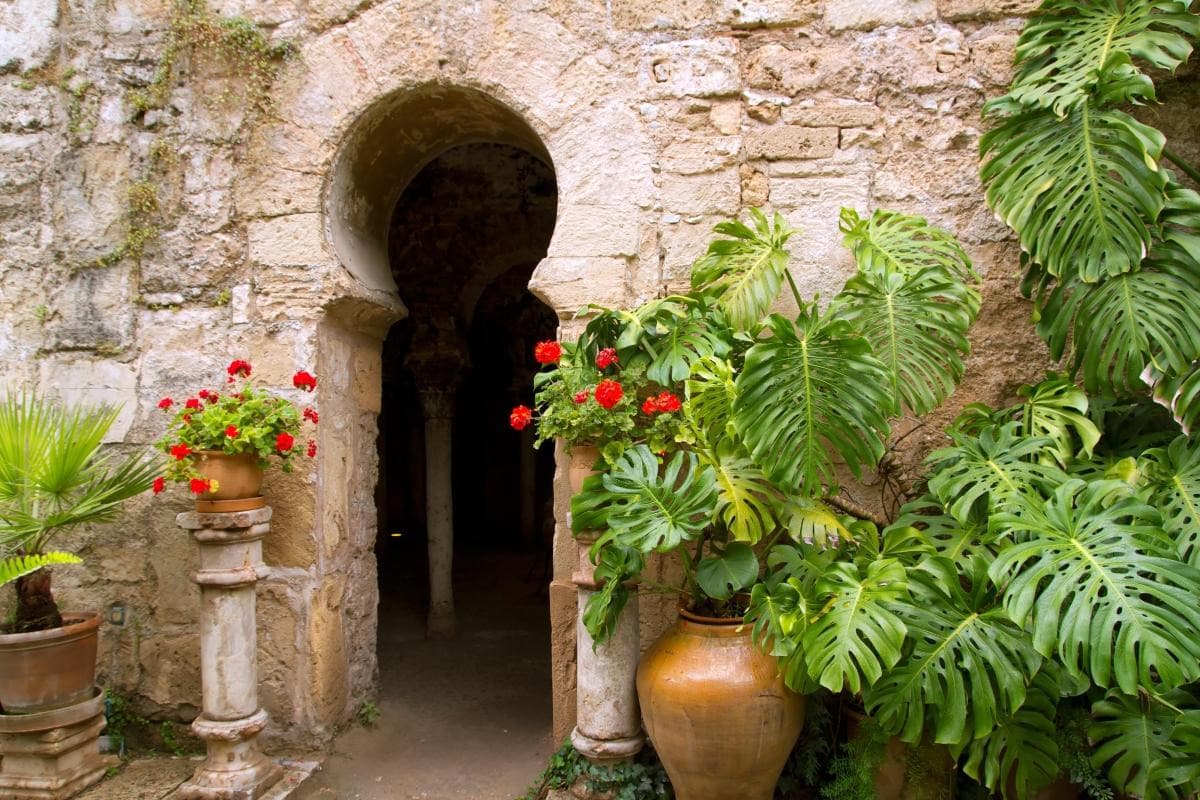
You first find the Baños Árabes in Palma by sound before sight: a faint, ancient hush, like a place holding its breath between the city’s Gothic towers and narrow, sun-bleached lanes. Slip off the Carrer de Can Sanç and the city’s traffic and cafés fall away; stone cools underfoot and the air takes on a subtle mineral chill. The bath’s low, rounded arches and the domed roof punctured with star-shaped skylights feel less like a museum and more like the buried heart of a medieval city — one that still remembers the rhythm of water.
The Palma Arab Baths (Baños Árabes) are among the island’s quietest time machines. Carved from local limestone during Mallorca’s Moorish period, they’re a compact complex of cold and warm rooms, a small hypocaust system, and a shallow plunge pool, all arranged with the economy and precision of Islamic thermal architecture. Compared to the grand Roman baths you might have seen elsewhere, Palma’s are intimate; you stand a little closer to the stones that held people’s weight and warmed their limbs centuries ago.
History is tangible here. Mallorca was under Muslim rule for more than three centuries beginning in the 10th century; the baths represent one of the few surviving public structures from that era in Palma. They were a social infrastructure — centers for hygiene, conversation, and civic life — and their existence underlines how layered Palma is: Roman foundations, Islamic craft, Gothic cathedrals and later Baroque additions all stacked like geological strata of culture.
Geology shows its hand too. The island’s Miocene limestone, pale and fossil-rich, was the building block for centuries of construction; its porosity kept interiors comfortable in summer and insulated against winter damp. The baths’ domed skylights are purposeful, cutting small, star-shaped holes that animate the pool with fragmented light; rain and sunlight become participants in the space, not just weather.
Today, visiting the Baños Árabes is as much about the hush and the details as it is about the headline — it’s best paired with a walker’s itinerary through Palma’s Barri Vell. Local guides pack a lot into short walks: the “Palma de Mallorca Must-See Attractions Walking Tour With A Guide” includes the baths and follows with La Llotja and the Basilica of Sant Francesc, weaving architectural context into every turn. If you prefer a more personal pace, “Hello Palma: Private 2-Hour Intro City Walk with Local Guide” or the customizable private option lets you dig deeper into the corners you didn’t know to ask about. Families should look for the “Family Friendly Palma de Mallorca Private City Tour,” where the baths become a stop on interactive walks designed to keep kids curious.
What these tours give you is not just facts but framework. A guide will explain how the baths worked — the entry sequence through cold to warm rooms, the heating mechanism beneath the floors — and how the Arab presence shaped Palma’s irrigation, olive groves, and even place names. After the baths, consider shifting to a different tempo: a tapas evening tour or a quiet stop at Ca’n Joan de s’Aigo for ensaimada and hot chocolate grounds a history-rich morning in the island’s present-day flavors.
Practicality matters here. The baths are small and receive a steady trickle of visitors, so timing is crucial. Aim for early morning or late afternoon in high season; winter and shoulder seasons offer the most space to linger by the pool and study the vaulting. Footwear should be stable but lightweight — the narrow streets leading to the baths are cobbled and can be slick after rain. Bring a light layer: interior spaces hold a cool dampness even on warm days.
For the culturally curious traveler, the Baños Árabes reward a patient gaze. Look at the mortar joints and you’ll see repair phases; look at the skylights and you’ll watch the day rewrite itself in pinpricks of sun; listen, and the building will tell you how public life used to center on communal rituals. Palma itself is best understood on foot, and these baths are proof that sometimes the city’s most potent stories are the small, preserved rooms where daily life was lived.
Planning notes: guided tours make the difference between seeing and understanding. Join a small-group or private walk that ties the baths into a larger architectural narrative — La Seu’s soaring nave, the ancient Arab wall fragments, the medieval mercantile quarter around La Llotja. After a morning of stones and stories, follow local custom and finish with tapas or a pastry: the island’s food culture is the modern civic ritual.
Sustainability and respect are simple: treat the site gently, keep voices low, and follow signage. The baths survive because successive generations have valued their quietness; your visit joins that chain.
In Palma’s old town, the Baños Árabes are a pause: a cool, sculpted room that invites you to slow down and listen to the city’s layered history. Whether you arrive with a guide unpacking centuries of influence, or you drift in from a family tour, the baths reward attention — the kind you can only give when you’re willing to slow your pace, trace the stone with your gaze, and let the light map time across the water.
Trail wisdom
Small choices, better day.
Visit early or late
The baths are small — mornings and late afternoons are quieter and let you linger by the pool without crowds.
Combine with a walking tour
Book a guided walking tour that includes the baths to get historical context and hidden stories you’ll miss on your own.
Wear grippy shoes
Cobbled streets and damp stone in the baths can be slippery — sturdy footwear reduces risk and increases comfort.
Pack a light layer
Interiors stay cool year-round; a thin jacket or wrap makes longer visits comfortable.
Local knowledge
Read the place, not just the route.
Watch for native species including Mediterranean gull, urban lizards basking on warm stones.
Keep an eye out for wildlife during the transition between areas and habitats. Respect distance guidelines.
The site is fragile—visitors are asked to tread lightly, avoid touching delicate stonework, and support local conservation efforts by respecting opening hours and guidelines.
Follow the guide's instructions on size limits, ethical handling, and leave-no-trace practices.
Small gardened courtyard behind the baths with native shrubs. Nearby narrow lane with traditional artisan shops and a centuries-old olive tree (Olivera de Cort)
Locally recommended viewpoints and quiet spots known best to local operators.
The baths date to Palma’s Muslim period (10th–11th centuries) and are among the few Moorish-era public buildings preserved on the island.
Maritime roots and regional tradition shape the waterways and working coasts.
Seasonal guide
Four versions of the same landscape.
Spring
Best forcomfortable walking weather · fewer crowds · wildflower viewing nearby
Challengesoccasional rain showers · variable temperatures
Spring offers mild temperatures and blossoming terraces—ideal for pairing the baths with a full day of walking.
Summer
Best forlonger daylight · evening tapas · extended sightseeing hours
Challengespeak crowds · high daytime heat
Summer is lively but busy; visit early and reserve evening plans like a tapas tour to avoid the worst crowds.
Fall
Best forcooler walks · harvest food events · fewer tourists
Challengesshortening daylight · sporadic rain
Autumn balances warm afternoons with manageable crowds—great for combining the baths with market visits and pastry stops.
Winter
Best forquiet visits · lower prices · clear light for photography
Challengesshorter opening hours at some attractions · cooler, damp interior temperatures
Winter brings calm and clearer access to intimate sites; expect cool interiors and peaceful streets.
Pack with intention
What to bring.
Good to know
Common questions.
Plan 30–45 minutes to walk through the baths and read interpretive signs; 60–90 minutes if combined with a guided walking tour.
Plan the edges
The details that make the day easier.
The Palma Arab Baths are among the best-preserved remnants of Mallorca’s Moorish period (10th–11th centuries) and are one of the island’s few surviving public structures from that era.
Pair an architectural morning with Mallorcan flavors: try ensaimada at Ca’n Joan de s’Aigo, sample sobrasada and local cheeses on a guided food walk, and end the day with a tapas crawl in La Lonja to taste Palma’s living traditions.
- Where
- Old Town, Palma de Mallorca • Best time: early morning or late afternoon • Cost: modest entrance fee or included on walking tours • Accessibility: limited • Combine with: La Seu cathedral, La Llotja, tapas evening.
Respect the site: follow signage, avoid touching fragile stonework, and choose small-group or locally run tours to support Palma’s cultural heritage and reduce overtourism pressure.
Explore by topic
Follow the threads.
Keep exploring
Make the story part of the trip.
 Related story
Less than two hours from Nairobi, Kereita Forest pairs hands-on canopy adventure with quiet montane trails and a sobering colonial history—perfect for families, teams, and curious travelers seeking a full-day pulse of nature.
Set out from Bass Harbor for a private, customizable day on Blue Hill Bay — lighthouses, puffins, seals, and the chance to feel Acadia from the water. Small groups, local captains, unforgettable views.
In four hours you can move from shaded canyon ferns to wind-scoured coastal ridgelines, guided by someone who knows where the light—and the hidden views—live. This private half-day hike on the Monterey Peninsula or Big Sur is compact, curated, and perfect for travelers who want depth without a multiday commitment.