
What the day feels like
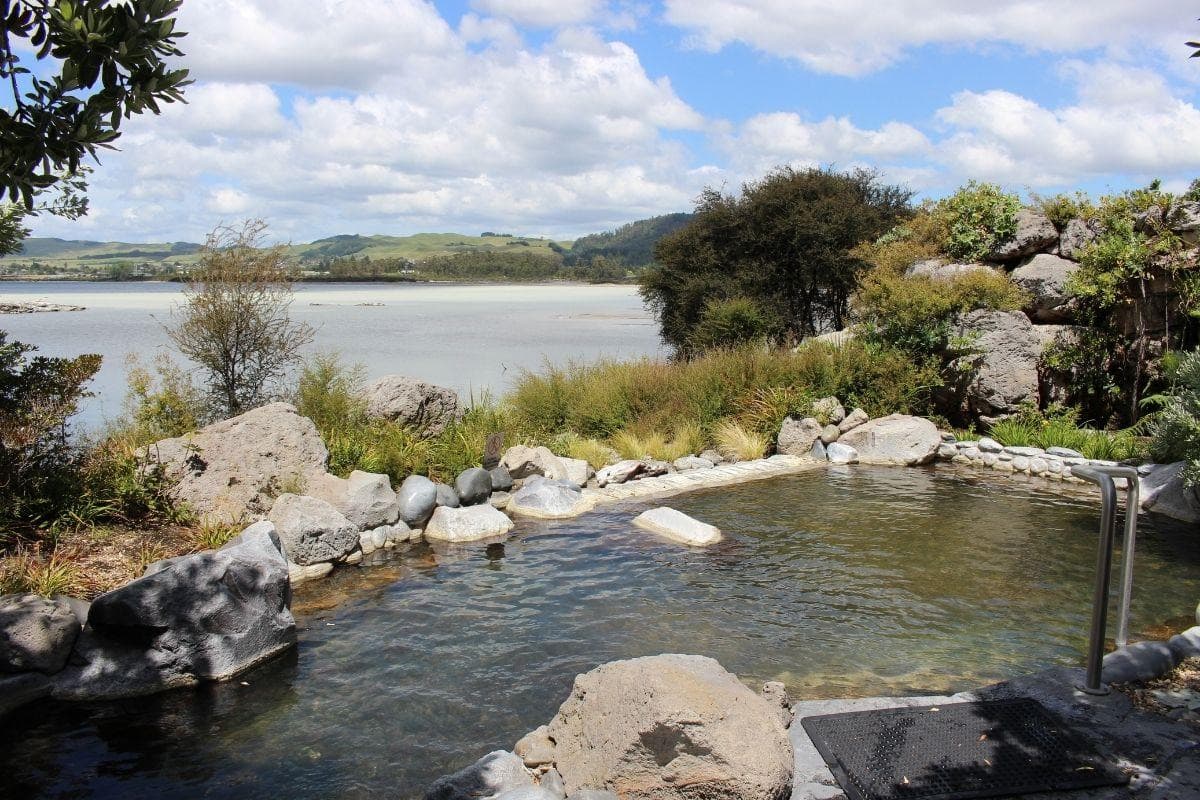
You arrive at the lake at dawn, when the city’s steam still hangs like cotton over the water and the first ferries are tuning the air with low throbs. The Polynesian Spa sits like a quiet promise on the shore of Lake Rotorua—pools arranged like a small village, steam rising in slow, deliberate wisps, and a view that reads both placid and elemental. Slip out of your shoes, feel the wood deck cool underfoot, and the lake’s hush seems to dare you into taking the next hour for yourself. That’s the ritual here: the thermal waters nudge you toward stillness, but it’s the landscape and the long human story beneath it that make the soak matter.
Rotorua’s geology is blunt and generous. The city sits on a basaltic bowl of heat: magma a little closer to the surface than in most places, a thin skin between the subterranean and the everyday. Groundwater circulates through this hot underworld, picking up minerals and temperature before returning to the surface as alkaline and acidic springs. Polynesian Spa harnesses that heat—its Pavilion pools use waters from Three Priest Spring and Rachel Spring, with pool temperatures ranging from the agreeable warmth of 36°C to the more intense 41°C. Those numbers tell you what you’ll feel in your joints and the slow loosening of shoulders; they don’t tell you the small, quiet alchemy of a good soak.
The spa’s story is braided with Māori history and the rise of Rotorua as a thermal destination. For centuries local iwi (tribes) regarded natural springs as places of healing and of ritual; by the 19th and 20th centuries visitors began to travel for the supposed medicinal properties and the sense of place. Polynesian Spa today balances that lineage with modern wellness—decked pools and heated loungers sit beside reflexology walks, but there’s also an expectation of respect: quietude, intentional bathing, and an acknowledgment that these are living geothermal features.
This is not just an urban spa—it’s a gateway. Many visitors knit a soak into a larger geothermal day: Wai-O-Tapu’s surreal hot-spring palette, the mud pools of Kuirau Park, the towering trunks of the Redwood forest for a post-soak walk. Operators offer packages that link the spa with cultural experiences—haka performances at Whakarewarewa or guided trips to Wai-O-Tapu—and private tours that fold in the spa as the day’s restorative crescendo. For families or those traveling from Auckland, full-day itineraries frequently end at the Polynesian Spa, letting the heat do the decompressing after a long day of geysers and thermal boardwalks.
Practicality matters. The Pavilion pools cater to adults (12+), offering acidic and alkaline mineral pools that users say soothe joint and muscle pains; the Deluxe Lake Spa is family-friendly and features a cold plunge and indoor relaxation lounge. Towels and some amenities are provided in certain product packages, but bringing your own swimsuit and a lightweight robe is smart. Book ahead in high season—Rotorua fills with domestic travelers during school holidays and long weekends. Aim for mornings or late afternoons for fewer crowds and better light if you photograph the steam and lake.
There’s a hygiene and safety rhythm to the experience: shorter soaks (10–20 minutes) at hotter temperatures, cooldowns in the cold plunge if you’re adventurous, and plenty of hydration. If you have cardiovascular issues or are pregnant, consult a physician before spending time in 40°C pools. Registry of temperatures and spring types are posted at the pools—read them and honor them.
Beyond the pools, Rotorua’s human geography offers cultural texture. Māori performances and pōhiri (welcomes) are on the itineraries of many guided tours that include the Polynesian Spa, grounding the thermal allure in language, song, and story. Local cafés and fish-and-chip shops along the lakefront feed the post-soak appetite with fresh trout and kūmara—small, honest meals that feel right after heat and steam.
For planning: pair the Polynesian Spa Pavilion or Deluxe Lake Spa with a half-day exploring Wai-O-Tapu or Whakarewarewa for a compact but varied Rotorua experience. Pack a day bag with water, sunscreen, comfortable shoes for boardwalks, and a sense of timing—two to three hours at the spa is luxurious; forty-five minutes can also be restorative for travelers on a tight clock.
The Polynesian Spa is not a performance; it’s a pause with context. You come for relief, yes, but you leave with a sharper sense of how land, heat, and people have shaped this town’s rhythms. Whether you’re chasing wellness, cultural insight, or simply a better afternoon, Rotorua’s lakefront pools offer a clear, tactile way to feel what this part of New Zealand is made of—the slow, warm exchange between the earth and whoever stands long enough to listen.
Trail wisdom
Small choices, better day.
Hydrate before and after
Soaking in 36–41°C water dehydrates; sip water before your first dip and keep a bottle handy to rehydrate after longer soaks.
Time your soak
Limit hot-pool sessions to 10–20 minutes at higher temperatures and alternate with cool-downs or a cold plunge to avoid overheating.
Bring a quiet mindset
Pavilion pools are adults-only and intended for relaxation—keep noise low and phones on silent to respect others.
Book a combined tour
Pairing the spa with Wai-O-Tapu or a Whakarewarewa cultural visit optimizes your day and reduces transit stress.
Local knowledge
Read the place, not just the route.
Watch for native species including Tūī (native bird often heard and seen in Rotorua gardens), Pīwakawaka (fantail), flitting around lakefront trees.
Keep an eye out for wildlife during the transition between areas and habitats. Respect distance guidelines.
Geothermal areas are fragile—stick to boardwalks, avoid lotions that can harm microbes, and support iwi-led cultural tours to ensure benefits stay local.
Follow the guide's instructions on size limits, ethical handling, and leave-no-trace practices.
Kuirau Park - free local geothermal park with boiling mud pools and foot spas. Blue & Green Lakes (Tikitapu & Rotokākahi) - serene forested lakes a short drive from the spa
Locally recommended viewpoints and quiet spots known best to local operators.
Rotorua’s thermal features have been a source of food, healing and ritual for Māori for centuries; the modern spa industry grew in the 19th century as visitors sought therapeutic baths.
Maritime roots and regional tradition shape the waterways and working coasts.
Seasonal guide
Four versions of the same landscape.
Spring
Best forfewer crowds · blooming native bush · pleasant air temperatures
Challengeschangeable rain showers · cool mornings
Spring brings floral edges to the lake and comfortable air for alternating warm soaks with cool walks; bring a light rain layer for showers.
Summer
Best forlong days · combining lake activities · family visits
Challengeshigher visitor numbers · strong sun glare on the lake
Summer is lively—ideal for combining the spa with kayaking or a lakeside picnic, but book ahead and use sun protection.
Fall
Best forcrisp evenings · dramatic steam photography · shoulder-season rates
Challengescooler water-adjacent air · shorter daylight hours
Autumn’s cool air makes the steam theatrically photogenic and soaks especially satisfying; layer up for post-soak walks.
Winter
Best forsteamy vistas · intense thermal contrast · lower crowds
Challengescold shore temperatures · occasional frosts
Winter accentuates the geothermal contrast—enjoy the hottest pools and lake-steam drama, but plan for colder walks between facilities.
Pack with intention
What to bring.
Good to know
Common questions.
Bookings are recommended during peak season and for specific Pavilion sessions; same-day walk-ups are possible but limited on busy days.
Plan the edges
The details that make the day easier.
Polynesian Spa’s pools draw from nearby geothermal springs—named sources like Three Priest Spring and Rachel Spring feed alkaline and acidic mineral pools used for therapeutic bathing.
Rotorua blends Māori hospitality with hearty lakeside cuisine—look for hangi-inspired dishes at cultural centers, trout from local lakes, and cafés serving kūmara sides; evening markets along the lake often feature local produce and crafts.
- Know-before-you-go
- book sessions in advance in peak season; Pavilion is 12+; Deluxe Lake Spa is family-friendly; pools range 36–41°C; bring swimsuit and water bottle; combine with Wai-O-Tapu or Whakarewarewa for a full geothermal day.
Respect geothermal features by staying on boardwalks and using biodegradable sunscreens; favor tours and experiences led by local Māori providers to ensure cultural and economic benefits remain in the community.
Explore by topic
Follow the threads.
Keep exploring
Make the story part of the trip.
 Related story
Less than two hours from Nairobi, Kereita Forest pairs hands-on canopy adventure with quiet montane trails and a sobering colonial history—perfect for families, teams, and curious travelers seeking a full-day pulse of nature.
Set out from Bass Harbor for a private, customizable day on Blue Hill Bay — lighthouses, puffins, seals, and the chance to feel Acadia from the water. Small groups, local captains, unforgettable views.
In four hours you can move from shaded canyon ferns to wind-scoured coastal ridgelines, guided by someone who knows where the light—and the hidden views—live. This private half-day hike on the Monterey Peninsula or Big Sur is compact, curated, and perfect for travelers who want depth without a multiday commitment.