
What the day feels like
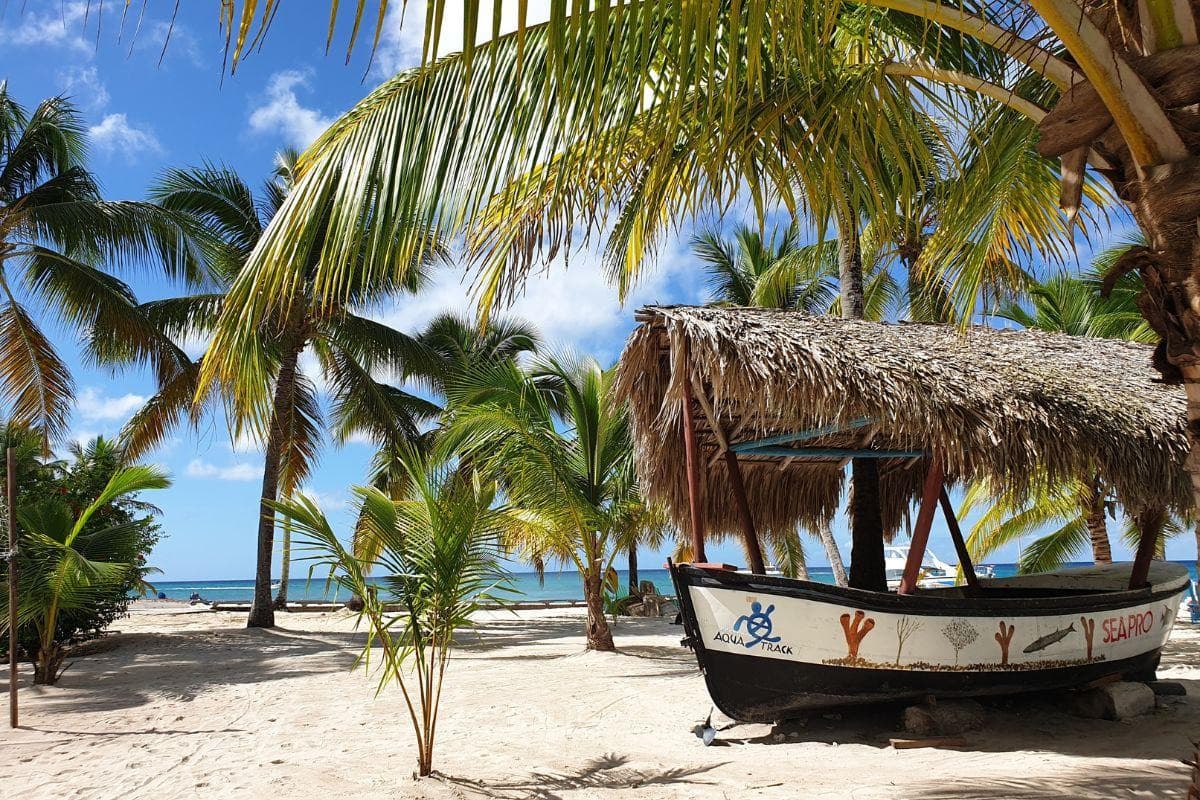
The catamaran slips out of Bayahibe before sunrise, and the Caribbean immediately takes on personality: a slow-breathing giant, glossing sky-blue and pushing a warm, salty hush against the hull. By the time the island’s palm-fringed silhouette resolves on the horizon, the sea is a conversation — the boat’s engine punctuating, the crew chiming instructions, gulls trying for the lead. Your feet find sand in less than an hour. The sand is fine and bright enough to make your shoulders drop an inch; the island exhales coconut-scented warmth.
Saona Island (Isla Saona) is the archetypal Caribbean day trip — white beaches, waist-deep “natural pools” strewn with starfish, and reefs that triple as snorkel classrooms. But that shorthand misses how the place works: it’s less a postcard and more a ledger of geology, history, and livelihoods. Saona sits inside Cotubanamá National Park, a protected sweep of mangroves, sea grass beds, and coral reefs that buffer the Dominican southeastern coast. Its beaches are the product of currents and ancient limestone worn soft and spread into powder by waves and parrotfish; the tidal flats that become the Natural Pool are a fragile hinge between ocean and shore.
Layered into that landscape is culture. Bayahibe, the fishing village that functions as Saona’s ferry terminal, still smells of fish smoke and fresh ceviche. Mano Juan, a tiny settlement on Saona itself, is home to families who harvest coconuts and fish the same channels their grandparents used. The region’s Spanish and Taíno histories are visible in place names and in the quiet reverence locals hold for the park’s resources — even as tourism has made the island one of the Dominican Republic’s most visited attractions.
There are many ways to do Saona, and each tells a different story. Speedboat excursions pack a kinetic punch: a quick blast across turquoise, a stop at the Natural Pool for waist-deep lounging and starfish spotting, and a rapid transfer to a buzzing beach for lunch and music. Catamaran cruises trade adrenaline for a softer rhythm — long stretches on deck, snorkel stops (Catuano Pier is a popular spot), and a slower approach to the island that suits travelers who want to absorb the coast. Private boat charters give you control of the day and let you detour to quieter coves or prolong a snorkel over healthy reef. Some longer itineraries include a Chavón River leg, winding through a tropical gorge once favored by filmmakers and pirates; the river pours into the Caribbean near Casa de Campo’s marina, where mansions peek from palms and the landscape reads like a different kind of island life.
Practicality keeps Saona sustainable and enjoyable. Tours often include a buffet-style Dominican lunch and an open bar — expect rum and local beer — but plan for sun exposure and a lot of sand. The Natural Pool is shallow and warm, often dotted with sea stars; it’s a show-stopper but also a fragile attraction, so look but don’t handle. Snorkeling can range from casual swims to full-frontal marine education depending on the tour: reefs near Catuano or around Saona’s outer banks reward a quick mask-and-snorkel with a bright parade of parrotfish, sergeant majors and angelfish.
If you want a quieter experience, book a small-group catamaran or a private boat. Tours that advertise smaller groups usually include more curated stops — a prolonged snorkel session, a walk through mangroves, or time to explore Mano Juan’s community-run craft stalls. For families, the Natural Pool is ideal: its shallow waters allow kids to wade and discover starfish under supervision. For couples, a sunset sail back to Bayahibe is an easy way to close the day without the post-lunch party atmosphere.
Logistics: expect a full day — most departures from Punta Cana or Bayahibe are 6–8 hours, factoring in transfers. Bring reef-safe sunscreen, reef-safe bug repellent, a water-resistant phone case or small camera, and a light change of clothes. If you’re prone to seasickness, ginger chews, wristbands, or premedication are smart; the Caribbean on calm days is lax, but the chop can surprise you on speedboat legs.
Respect matters here. Saona is part of a national park, and its marine habitats are under stress from boat traffic, careless anchoring, and unregulated souvenir harvesting. Choose operators that brief guests on rules at the Natural Pool, use mooring buoys rather than dropping anchors near reefs, and pay fair prices to local vendors in Mano Juan. That small behavior change — choosing a responsible operator, refusing to touch sea stars, and carrying out your trash — goes a long way toward keeping Saona blue.
Why go? Because Saona compresses many Caribbean pleasures into a single, low-friction day: warm water that dares you in, reefs that reward curiosity, beaches that ask only for a towel and a book, and a real human place tucked in the palms where the rhythm is slow and generous. Whether you’re chasing a snorkel report, a day of lounging, a private charter, or a photo of a starfish backlit by noon sun, Saona delivers with startling ease — as long as you show up prepared and leave it better than you found it.
Trail wisdom
Small choices, better day.
Choose your boat carefully
Small-group catamarans and private charters offer calmer itineraries and longer snorkel stops compared with large speedboat-and-party combos.
Protect the reefs
Use reef-safe sunscreen, avoid touching coral or starfish, and follow your guide’s anchoring instructions to prevent damage.
Pack for sun and sand
Bring a water-resistant phone case, a lightweight cover-up, and a dry bag for valuables — sand gets everywhere.
Beat the crowds
Book early departures or choose smaller operators to enjoy quieter beaches and more time at snorkel spots.
Local knowledge
Read the place, not just the route.
Watch for native species including sea stars, brown pelicans.
Keep an eye out for wildlife during the transition between areas and habitats. Respect distance guidelines.
The island sits inside a national park, and responsible operators follow mooring rules, limit anchoring on reefs, and brief guests on not touching marine life.
Follow the guide's instructions on size limits, ethical handling, and leave-no-trace practices.
Mano Juan village — crafts, fresh coconut and local music away from the main beach. Chavón River mangrove channels — scenic boat legs and a film-friendly backdrop
Locally recommended viewpoints and quiet spots known best to local operators.
Saona is part of Cotubanamá National Park and has been shaped by Taíno heritage and later Spanish colonial use; its protected status helps preserve traditional fishing communities.
Maritime roots and regional tradition shape the waterways and working coasts.
Seasonal guide
Four versions of the same landscape.
Spring
Best forcalm seas · snorkeling · birding
Challengesoccasional winds · increasing crowds
Late spring is warm with steady seas and good visibility for snorkeling, though visitor numbers start to climb toward Easter.
Summer
Best forwarm water · long daylight · family trips
Challengeshigher humidity · brief tropical showers
Summer brings the warmest water and long days — ideal for lounging and snorkeling — but pack light rain gear for afternoon showers.
Fall
Best forlower rates · fewer crowds · calmer beaches
Challengeshurricane season window · sporadic storms
Early fall can be a bargain with quieter beaches, but remain attentive to weather forecasts during hurricane season (June–November).
Winter
Best fordry weather · clear skies · optimal visibility
Challengeshigher tourist demand · cooler evenings
Winter (Dec–Apr) is the island’s dry season: calm, clear, and perfect for boats and snorkeling — expect more tour operators and fuller boats.
Pack with intention
What to bring.
Good to know
Common questions.
Most tours are full-day experiences lasting 6–8 hours door-to-door when pickup from Punta Cana or Bayahibe is included.
Plan the edges
The details that make the day easier.
Saona Island is part of Cotubanamá National Park, a protected area that preserves mangroves, coral reefs, and critical nesting habitat for sea life.
Bayahibe and Saona are anchored by Dominican fishing culture: expect fresh ceviche, coconut water, and live merengue and bachata during return-catapults on the catamaran; local artisans in Mano Juan sell handmade jewelry and woven goods.
- Departure hubs
- Bayahibe
- Punta Cana; duration
- 6–8 hours; typical inclusions: boat, lunch, open bar, snorkel stops; book small groups for a quieter experience.
Choose operators that use mooring buoys, brief guests on wildlife etiquette, and contribute to community projects in Mano Juan to help minimize tourism impact.
Explore by topic
Follow the threads.
Keep exploring
Make the story part of the trip.
 Related story
Less than two hours from Nairobi, Kereita Forest pairs hands-on canopy adventure with quiet montane trails and a sobering colonial history—perfect for families, teams, and curious travelers seeking a full-day pulse of nature.
Set out from Bass Harbor for a private, customizable day on Blue Hill Bay — lighthouses, puffins, seals, and the chance to feel Acadia from the water. Small groups, local captains, unforgettable views.
In four hours you can move from shaded canyon ferns to wind-scoured coastal ridgelines, guided by someone who knows where the light—and the hidden views—live. This private half-day hike on the Monterey Peninsula or Big Sur is compact, curated, and perfect for travelers who want depth without a multiday commitment.