
What the day feels like
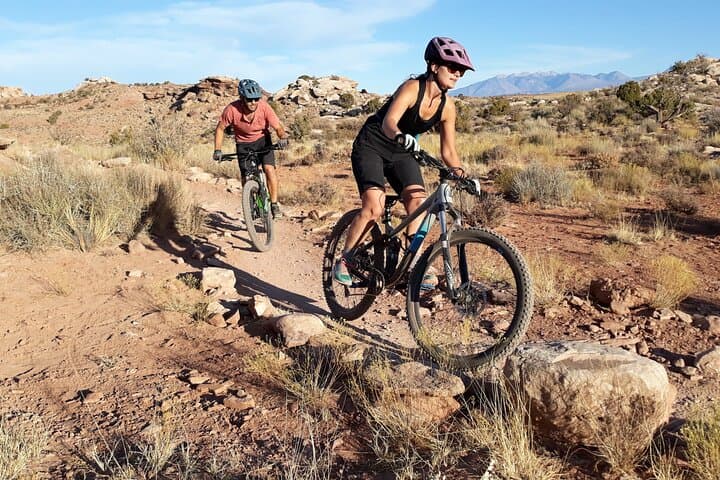
Dawn lifts slow over the mesa, and the desert blinks awake. On the rim at Dead Horse Point State Park, the Colorado River folds into oxbows that look carved by a giant’s fingertip. Ravens ride the morning thermals—heckling, as ravens do—and the slickrock warms to the color of embers. Your e-mountain bike gives a soft hum, asking for a nudge. You answer with a pedal stroke, the motor’s whisper pushing you toward the edge of a 2,000-foot view.
This is the Intrepid Trail System: a stacked loop network chiseled through juniper and blackbrush, its singletrack drawn like a ribbon along the cliff’s safe shoulder. It’s purpose-built for flow—green and blue trails with pockets of simple rock steps, swooping turns, and the kind of gentle exposure that reminds you how big the world is without demanding you flirt with it. With a private guide, your route is tuned to your group. Want mellow rim cruising and all the viewpoints? Done. Feeling spry and curious? Add a few extra loops with punchy climbs and playful rock gardens, then ease into Eco mode and let the motor smooth the sting.
On e-bikes, the desert changes tempo. Climbs once done with a grimace become calculated—controlled. The wind elbows your jersey, the sandstone breathes heat, and the trail answers back with chatter you can read: kitty-litter corners, hardpack straightaways, slickrock lips. Nature is not passive here; the canyon speaks in drafts and the river below keeps time, pushing forward whether you’re ready or not. The joy isn’t only in speed—it’s in the ability to look up and stay present. The views demand that you do.
History presses in. Dead Horse Point gets its name from a 19th-century legend: cowboys once herded mustangs onto this narrow mesa and corralled them at the bottleneck, picking favorites and leaving the rest. The story ends poorly for the horses, a harsh reminder of how unforgiving this place can be. Today the park tells a different tale—of restoration, visitor stewardship, and a trail system funded in part by Intrepid Potash, the namesake of the network. The geology reaches even further back. The rim’s cliffs are Wingate Sandstone, once sand dunes hardened by time; below, the river snakes through layers of Kayenta and Chinle, a cross-section of Earth written in rust and ochre.
Ride a few miles and you’ll start to recognize the pattern: juniper and pinyon pines shoulder the path, resilient and stubborn; lizards skitter as if laughing; ravens investigate you like nosy neighbors. Your guide sets an easy rhythm, spacing viewpoints so you’re not stopping every minute, but never stingy with the good stuff. Meander Overlook frames the river’s long arc; Basin Overlook flings your gaze across a panorama that refuses to end. The exposure is mostly visual—if heights make you queasy, you can stay well back and still get the show.
Dead Horse Point sits a 45-minute drive from Moab, close enough for an easy half-day ride but far enough that the park feels like its own world—quieter, simpler, with less hustle than the famed Moab classics. The trails are friendly to beginners with a guide and welcoming to families who bike a few weekends a year. For seasoned riders, pedal assist doesn’t dilute the fun; it multiplies laps, elevates small features into fast-flow puzzles, and lets you play with cadence and line choice instead of rationing your legs. Class 1 e-bikes—pedal assist only—are permitted on the state park’s singletrack. Ride etiquette matters: yield to hikers, brake early, and keep tires on the trail. The cryptobiotic soil—dark, knobby living crust—stands sentinel beside the singletrack. Step off, and you’ll scar something that took decades to grow.
By late morning the sun leans hard and the slickrock radiates heat like a cast-iron skillet. Hydration becomes non-negotiable. There’s shade here and there, but it moves like a shy cat. Summer afternoons can bring sudden storms; the desert clears its throat and throws a tantrum of wind and lightning before settling back into blue. Spring and fall are the sweet spot—cool mornings, long sightlines, and that painterly light that makes edges crisp.
Practically, a private half-day ride hits the balance: plenty of time to warm up, sample two or three loops, and linger at the viewpoints without watching the clock. Expect rolling terrain with modest elevation gain across the mesa, occasional rock steps, and sections of sandstone where traction can feel otherworldly. A quick skills brush-up—braking with intention, looking through turns, shifting your weight for small ledges—pays outsized dividends. Your guide will set the pace, manage battery usage, and keep the group together, letting you detour for bonus features or back off when you want more scenery than spice.
When the ride winds down, the desert does what it always does—it holds its posture, unbothered, while you catch your breath. The river keeps writing its cursive in the stone below. On the pedal home, boat-tailed grackles gossip in the junipers, and the wind pats your shoulders as if to say next time. Back in Moab, the town hums with that post-ride glow: scuffed shins, salt-crusted smiles, and the easy confidence of people who spent the morning somewhere that reminds you how small you are and how lucky, too. Dead Horse Point doesn’t need to shout; the quiet carries just fine.
Trail wisdom
Small choices, better day.
Start Early, Steal the Light
Aim for a sunrise or early-morning departure for cooler temps, calmer winds, and the best canyon color.
Respect the Rim
Views are big, but keep bikes and boots on-trail—cryptobiotic soil is fragile and cliff edges can undercut.
Manage Your Battery
Use Eco or Trail modes on flats and climbs so you have assist left for headwinds or punchy sections.
Watch the Weather
Summer storms can roll in fast with lightning; if thunder is near, clear exposed rims and seek shelter.
Local knowledge
Read the place, not just the route.
Watch for native species including Common raven, Desert cottontail.
Keep an eye out for wildlife during the transition between areas and habitats. Respect distance guidelines.
Stay on designated trails to protect cryptobiotic soil and desert vegetation; pack out all trash and give wildlife plenty of space.
Follow the guide's instructions on size limits, ethical handling, and leave-no-trace practices.
Meander Overlook spur for a quiet river view with fewer crowds. Basin Overlook for a wide-angle panorama and classic sunset color
Locally recommended viewpoints and quiet spots known best to local operators.
The Intrepid Trail System was developed with support from Intrepid Potash and showcases rim-country riding on Wingate Sandstone above the Colorado River.
Maritime roots and regional tradition shape the waterways and working coasts.
Seasonal guide
Four versions of the same landscape.
Spring
Best forWildflower sightings · Cool morning rides
ChallengesGusty winds · Variable shoulder-season temps
March–May brings mild days and crisp visibility—prime time for long, scenic laps on the Intrepid loops.
Summer
Best forLong daylight windows · Family trips
ChallengesHigh heat · Afternoon thunderstorms
Start at dawn to beat heat; hydrate heavily and be ready to pivot if lightning moves in after lunch.
Fall
Best forStable weather · Golden-hour photography
ChallengesPopular weekends · Cool evenings
September–October offers ideal temps and soft light, with busy weekends—book ahead and ride early.
Winter
Best forQuiet trails · Low-angle light
ChallengesCold mornings · Icy or snowy patches in shade
On clear days, winter riding can be crisp and empty; bring layers and check conditions after storms.
Operator details
What the booking data adds.
Included
- ✓Water Bottle
- ✓Helmet
- ✓Use of bicycle
- ✓Guide
Not included
- —Admission to Dead Horse Point State Park
Good to know
- ✓Not recommended for travelers with spinal injuries
- ✓Not recommended for travelers with poor cardiovascular health
- ✓Not recommended for pregnant travelers
- ✓Travelers should have at least a moderate level of physical fitness
Pack with intention
What to bring.
Good to know
Common questions.
Class 1 pedal-assist e-mountain bikes are permitted on the Intrepid Trail System; throttle-only bikes are not.
Plan the edges
The details that make the day easier.
Dead Horse Point State Park was the filming location for the dramatic final scene of Thelma & Louise (1991), standing in for the Grand Canyon.
After the ride, roll into Moab for a burger and cold pint at Moab Brewery, line up at Quesadilla Mobilla for a quick handheld dinner, or grab a latte and pastry at Love Muffin Cafe the next morning before round two. If you have time, stroll Main Street’s gear shops and photo galleries to see the canyon country through local eyes.
- Closest airports
- Canyonlands Regional (CNY, ~20 minutes north of Moab), Grand Junction (GJT, ~2 hours), Salt Lake City (SLC, ~4 hours). Trailhead: Dead Horse Point State Park, Intrepid Trailhead. Drive time from Moab: ~45 minutes via US-191 and UT-313. Cell service: Spotty to none on the rim. Permits
- fees
- Utah State Park day-use fee required; guided tours may include entry—confirm when booking.
This high desert ecosystem is slow to heal. Keep tires and boots on durable surfaces, avoid stepping on cryptobiotic soil, yield courteously, and pack out everything you bring.
Explore by topic
Follow the threads.
Keep exploring
Make the story part of the trip.
In four hours you can move from shaded canyon ferns to wind-scoured coastal ridgelines, guided by someone who knows where the light—and the hidden views—live. This private half-day hike on the Monterey Peninsula or Big Sur is compact, curated, and perfect for travelers who want depth without a multiday commitment.
 Related story
Beneath a sky of shifting light, Skaftafell’s ice reads like a map of time. This three-hour guided glacier hike mixes technical instruction with geology and culture: compact, safe, and unforgettable.
 Related story
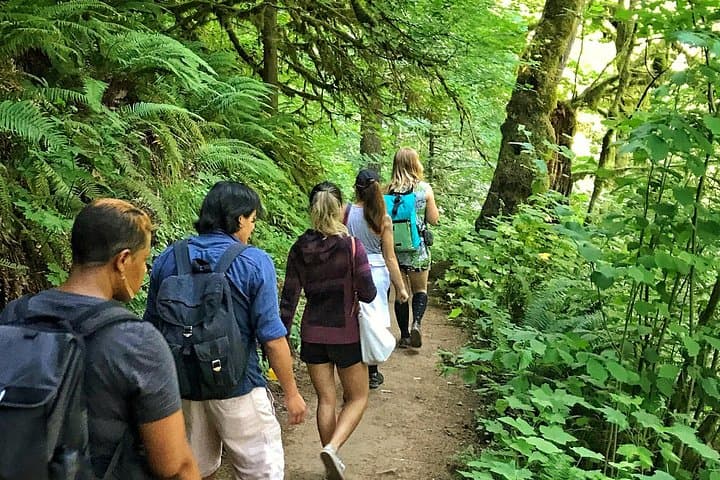
Lose the city for a few hours without leaving it: this 5-mile, 900-foot-gain Forest Park loop threads old-growth pockets, city viewpoints, and cultural landmarks for a compact taste of Portland’s wild side. Expect moss, roots, and stories.