
What the day feels like
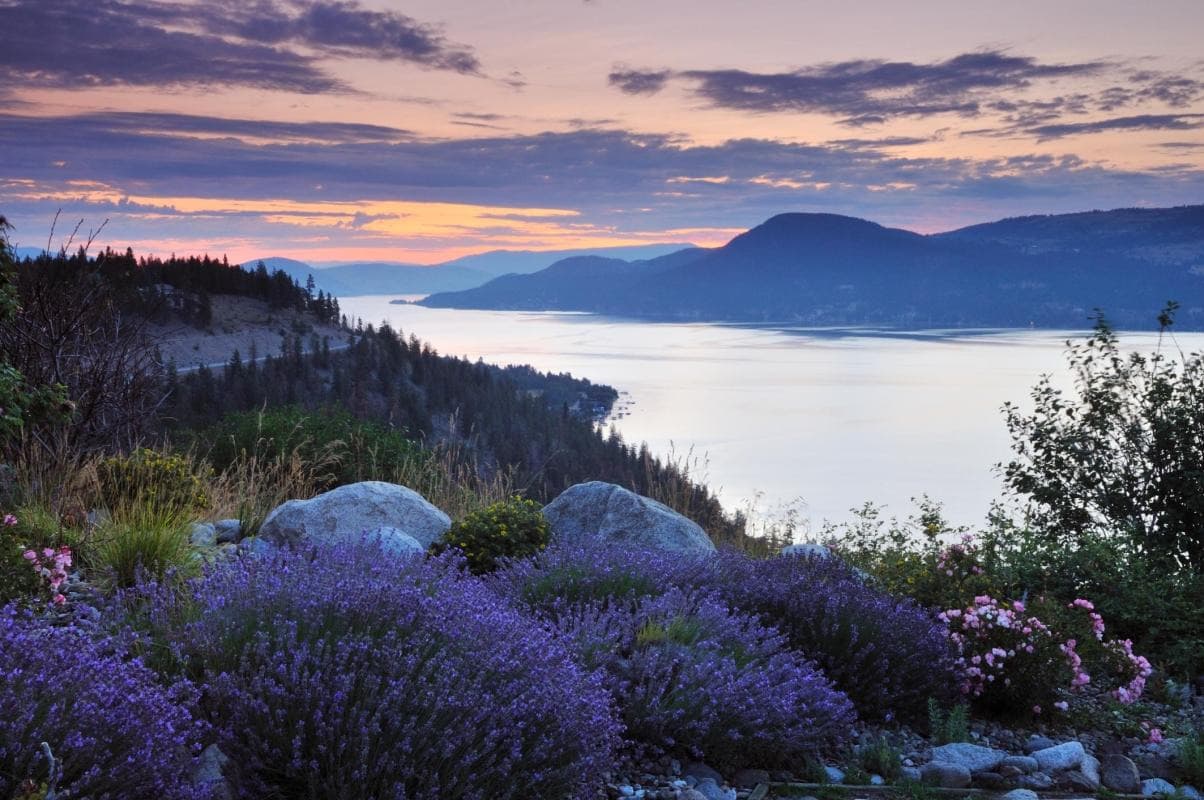
Morning slips into the Okanagan with a gentle hush, the lake yawning open like a sheet of quicksilver and the hillshemmed in ponderosa pine—stretch awake. High above Kelowna, the spine of the old Kettle Valley Railway clings to a cliff like a dare. Eighteen wooden trestles stitch across the chasm in neat arcs, the kind of handcrafted geometry that turns a canyon into a playground. Up here, the air runs cool until the sun finds the rock and starts to work. You roll a tire forward—or set a boot to the hard-packed gravel—and the canyon answers with the creak of wood, the soft grit of railbed, the echo of a century-old route that refuses to be forgotten.
This is Myra Canyon, Kelowna’s signature adventure: a gently graded, high-consequence-feeling ride or hike that’s as approachable as it is dramatic. Where trains once ferried timber and ore across the Okanagan highlands, you now walk or pedal a near-level path carved into the canyon wall, crossing trestles that seem to float above the forest. It’s a paradox that gives the day an easy swagger—big scenery, minimal suffering. The trail doesn’t bully you; it invites you, nudges you forward with a dozen view-packed reasons to keep going. Ponderosa bark peels like cinnamon scrolls. Swallows cut the air around the beams. The canyon holds its own weather, a mix of shade and sun, wind tugging at the brim of your hat.
For context, step back to the early 1900s. The Kettle Valley Railway was a stubborn feat, a determination to stitch British Columbia’s remote interior to the coast. Engineers threaded dynamite through granite and lumber through winter to hang those trestles across side canyons that shrugged at earlier plans. The line opened in 1915 and closed to traffic in segments through the mid-to-late 20th century, but the corridor found its second act as a rail trail. In 2003, the Okanagan Mountain Park wildfire roared through and destroyed 12 of the 18 trestles here. Community, province, and Parks Canada answered. By 2008, the trestles were rebuilt with a mix of steel and fire-resistant wood, their deliberate craftsmanship now part of a living museum that you can ride or walk in a single morning. The Myra Canyon Trestles were designated a National Historic Site of Canada, a nod to the ingenuity you feel underfoot with every step.
If you’re choosing your launch point, you’ve got two main trailheads: Myra Station and Ruth Station. Start at Myra for easier access and a slightly gentler approach on the forest service road; it’s about 35–45 minutes from downtown Kelowna, the last stretch a graded gravel ribbon that demands slow, steady driving. The full Myra-to-Ruth traverse is about 12 kilometers one way (24 km return), but many do an out-and-back of 8 to 15 kilometers, hitting a satisfying run of trestles and the two short tunnels before turning back. Elevation gain is negligible—think 100 meters or less over the whole day—so families, new riders, and casual hikers find it delightfully doable. The surface is compact gravel and fine ballast; beefy road bikes, gravel rigs, or mountain bikes are all happy here. Hikers will be fine in supportive walking shoes, though trail runners are a sweet spot.
The trail’s rhythm settles fast: wood under tires, then dirt, then a tunnel shouldering you into shadow, where cool air brushes past like an old friend. The canyon itself plays the role of patient storyteller. It points out a band of ochre lichen, an eagle on a thermaling drift, a lean of Douglas fir that grew against the wind and won. The trestles murmur as you cross; they’ve withstood weather, fire, and time, and they carry that memory in soft noises that make you look down between the slats, where the forest seems to breathe.
Halfway out, views open across Okanagan Lake and the orchards that quilt the valley. This is Kelowna’s duality: a vineyard midday, a trail by late afternoon, with lake swims the punctuation mark to both. In summer, heat rises quick, so the trail urges you to start early. Bring water—two liters per person is conservative when the sun squares its shoulders. Come fall, maples flash gold and the angle of light turns trestle beams into sculpture. The season redraws your photos hour by hour.
Practicalities matter here, and the canyon rewards those who pay attention. Parking fills by mid-morning in July and August; plan an early launch. Tunnels are short but dim—pack a small light. The forest road up can be washboarded after rains; a sedan makes it fine, but you’ll want to take it slow. There are outhouses at the trailheads and a few along the way, plus picnic tables at Ruth Station and viewpoints that beg for a lunch stop. If you didn’t bring a bike, you can rent one in town or at seasonal outfitters near the trailhead; ask about kids’ trailers and e-bikes. The route is pet-friendly on leash, and in shoulder seasons you’ll likely meet locals, who slip up here between shifts, vineyard runs, and lake dips.
The reward isn’t a summit so much as a state: that steady hum of movement nested inside big space. Myra Canyon’s genius is in sharing grandeur without gatekeeping it behind switchbacks and suffering. It’s a progression—a living corridor—where human design and canyon stubbornness negotiated a truce and invited you to pass.
Afterward, the day expands easily. Drop to the lake for a swim off Hot Sands Beach or City Park. Wander Kelowna’s breweries or vineyards—local staples like BNA Brewing or Tantalus Vineyards lean into the valley’s knack for fermenting sunshine. The city’s culinary scene echoes the landscape: crisp, bright, seasonal. You earned the meal on wood and gravel; the Okanagan will hand it back in a glass and a plate.
In the end, the canyon keeps something for itself. The last trestle steps into late light, the beams warming to honey, and the air quieting in that way the Okanagan does before evening. You turn for the trailhead, the day sitting easy on your shoulders, and the canyon watches you go. Not possessive. Just pleased. It knows you’ll be back, maybe with a friend who needs their first glimpse of rails in the sky.
Trail wisdom
Small choices, better day.
Start Early for Shade and Parking
Summer heat hits hard by late morning and the lots fill quickly—aim for a pre-9 a.m. start for cooler temps and easier parking.
Carry a Light for Tunnels
The two short tunnels are dim midday; a small headlamp or phone light helps you ride or walk confidently.
Mind the Forest Service Road
The last stretch to Myra Station is gravel and can be washboarded—drive slowly and watch for potholes, especially after rain.
Hydrate and Snack Often
There’s little water on the trail; bring at least 2 liters per person in summer and quick calories to keep energy steady.
Local knowledge
Read the place, not just the route.
Watch for native species including Mule deer, Red-tailed hawks.
Keep an eye out for wildlife during the transition between areas and habitats. Respect distance guidelines.
Stay on the trail and trestles—cutting switchbacks or climbing on structure beams damages sensitive terrain and historic features. In fire season, follow all restrictions and never discard cigarette butts.
Follow the guide's instructions on size limits, ethical handling, and leave-no-trace practices.
Ruth Station picnic tables with sweeping valley views. A short spur viewpoint near Trestle 18 that frames the canyon bend perfectly
Locally recommended viewpoints and quiet spots known best to local operators.
The Myra Canyon Trestles, part of the early 1900s Kettle Valley Railway, were reconstructed after the 2003 wildfire and designated a National Historic Site of Canada.
Maritime roots and regional tradition shape the waterways and working coasts.
Seasonal guide
Four versions of the same landscape.
Spring
Best forWildflowers and fresh air · Cooler temps for long walks
ChallengesLingering snow patches · Muddy or rutted access road
By May, the canyon wakes up with blooms and birdlife. Expect variable conditions and bring layers for changing weather.
Summer
Best forLong daylight rides · Family outings and picnics
ChallengesHigh heat and sun exposure · Peak-season crowds and wildfire smoke
July and August bring hot, dry days—start early, carry extra water, and monitor regional wildfire advisories.
Fall
Best forGolden foliage · Crystal-clear views
ChallengesShorter daylight · Morning frost on shaded sections
September and early October offer crisp air and color-washed hillsides. It’s the sweet spot for comfortable temps and fewer crowds.
Winter
Best forSnowshoeing or fat-biking (when conditions allow) · Quiet, crowd-free outings
ChallengesSnow/ice on trestles · Unplowed access road requiring 4WD
In winter, the rail trail shifts to a snow adventure. Check conditions, bring traction, and expect limited services.
Pack with intention
What to bring.
Good to know
Common questions.
It’s roughly 12 km one way between Myra Station and Ruth Station (24 km return), with minimal elevation gain and a compact gravel surface.
Plan the edges
The details that make the day easier.
Twelve of the Myra Canyon trestles were destroyed in the 2003 Okanagan Mountain Park wildfire and rebuilt by 2008; the site is a National Historic Site of Canada.
Post-ride, head to BNA Brewing for a crisp lager and wood-fired pizza, or sample Okanagan riesling at Tantalus Vineyards just down the hill. For dinner, Waterfront Wines plates local produce and valley-raised meats with serious care. In summer, grab cherries and peaches from a roadside stand—the Okanagan’s orchard lineage tastes best sun-warm.
- Closest airport
- Kelowna International (YLW), 25–35 minutes to downtown. Trailhead: Myra Station, ~35–45 minutes from downtown via McCulloch Rd and a final gravel stretch. Cell service: Spotty to fair on the trail; better at trailheads. Permits: None required; parking is free. Bike rentals: Available in Kelowna and seasonally near Myra Station.
This historic corridor is fragile—pack out everything, keep to the rail trail and trestles, and respect seasonal fire bans. The canyon’s dry ecosystem is wildfire-prone; avoid sparks and report smoke immediately.
Explore by topic
Follow the threads.
Keep exploring
Make the story part of the trip.
 Related story
Less than two hours from Nairobi, Kereita Forest pairs hands-on canopy adventure with quiet montane trails and a sobering colonial history—perfect for families, teams, and curious travelers seeking a full-day pulse of nature.
Set out from Bass Harbor for a private, customizable day on Blue Hill Bay — lighthouses, puffins, seals, and the chance to feel Acadia from the water. Small groups, local captains, unforgettable views.
In four hours you can move from shaded canyon ferns to wind-scoured coastal ridgelines, guided by someone who knows where the light—and the hidden views—live. This private half-day hike on the Monterey Peninsula or Big Sur is compact, curated, and perfect for travelers who want depth without a multiday commitment.