
What the day feels like
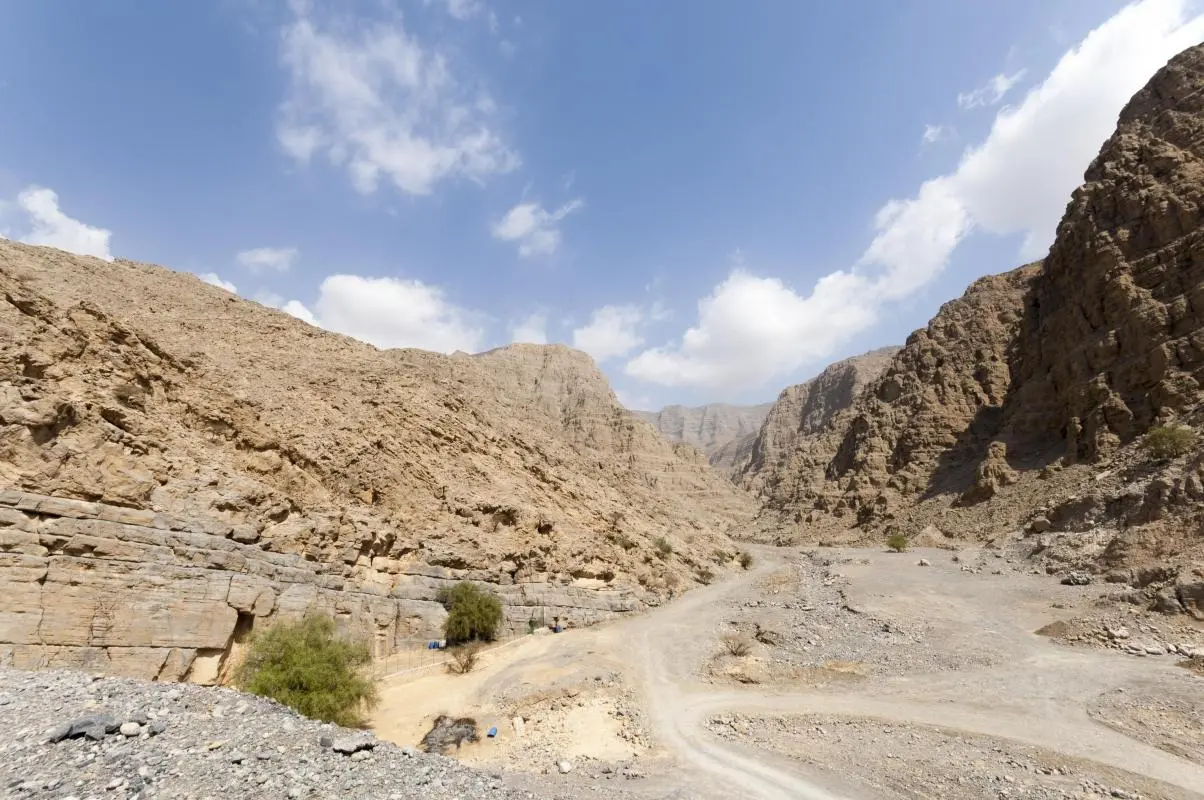
By the time the road pinch‑turns away from the flats and the city hum fades behind you, the air feels different—cleaner, cooler, as if someone has turned down the heat. The asphalt climbs into a ribcage of basalt and marl; switchbacks carve terraces into the Hajar range and every bend reveals another canyon sliding toward the Gulf. At the crest, a plateau opens and the world below looks unexpectedly small. This is Jabal Al Jais—the spine of Ras Al Khaimah—where rock, weather and human appetite for height meet.
On a clear morning, hikers move with quiet purpose along narrow tracks, water bottles clinking like distant church bells. Campers dot the ridgeline, lanterns smoldering as stars overtake the last light. For the boldest, zipline platforms pierce the air, and riders clip in for the nearest thing to flight: three minutes at 150+ km/h over canyons that seem to open their jaws as you cross.
Jabal Al Jais is a study in contrast. Geologically it is a part of the Hajar Mountains—uplifted limestone and metamorphosed sediments that were folded and cleaved over millions of years. That ancient tectonic violence left a landscape of steep ridgelines, abrupt river-cut wadis and terraces where hardy plants and small communities have eked out a life. The mountain crowns the northern emirates with a summit reaching roughly 1,934 meters above sea level—making it the highest peak associated with the United Arab Emirates—and that elevation is the reason the temperature and light up here feel like a different country.
The local culture reflects a long relationship with this terrain. For generations, mountain farmers and shepherds cultivated terraces and moved goats between seasonal pastures; small stone villages and water cisterns still dot some valleys. In recent years, Ras Al Khaimah has leaned into this natural inheritance to create outdoor experiences that range from contemplative to adrenaline-soaked. That mix is what makes Jabal Al Jais compelling: you can pace a steep mountain trail with a local guide, pitch a tent at an official high‑altitude campsite and watch the sun slice across the Arabian Gulf, or fly across a canyon at world‑record speeds.
If you came for hiking, a private hiking guide will change the trip from “nice walk” to “meaningful mountain day.” Guides can tailor routes—from shorter ridge walks to summit pushes that gain significant elevation—and point out micro‑ecosystems, ancient stonework and seasonal plantations clinging to the slopes. Expect rocky, uneven terrain with scree and some steep switchbacks; distances commonly range from 4 to 12 kilometers depending on the itinerary and you can plan a half‑day ramble or a full summit day. Wear good ankle‑support footwear—the mountain doesn’t forgive weak soles.
For multi‑day adventurers, camping on Jabal Al Jais is a rare alpine feel within an otherwise desert country. Organized weekends at high camps include everything from yoga at sunrise to a barbecue under clear skies—local operators set up tents, sanitation and basic comforts so you can focus on the view and the company. The evenings are particularly memorable: the temperature drops quickly after sunset, cooling by as much as 10–12°C from the plains, and the stars seem lower and closer than in the city.
And then there is flight. Jabal Al Jais hosts the world’s longest zipline and several linked zipline tours that traverse canyons and ridges. The headline figures are irresistible: ziplines up to nearly 3 km long and top speeds reported in excess of 150 km/h. It’s a fast, visceral way to apprehend the mountain’s scale. For a less intense but longer scenic experience, opt for the Sky Tour that links multiple lines across 5 km of cables at a steadier pace—still thrilling, but more panoramic than sprint.
Practical note: altitude here is real—while not high‑alpine in the Himalayan sense, the summit and ridgelines can cause stronger sun exposure, larger temperature swings and more wind than the coast. Start rides and hikes early to avoid the midday glare, carry extra water (it’s dry air, so you’ll dehydrate faster than you think) and plan for chilly evenings if you camp. Most operators run transfers from Dubai if you’re based there; expect a 1–2 hour drive depending on traffic and which launch point you use.
Safety and respect go together. Trails can be unmarked; a guide helps with route finding and local etiquette. If you’re camping, use established campsites and pack out what you bring in—this fragile highland scrub supports nesting raptors and rare plants. For zipline experiences, licensed operators use certified gear and run mandatory briefings—listen closely during those minutes, they matter.
What it feels like on the mountain: start with the crunch of gravel, the smell of warm stone and Earth, the wind that will try to push you sideways but mostly wants to move on. At the summit, you’ll find a stubborn calm: the conversation is smaller, the views are broader, and the Gulf seems to hold its breath between two continents. Go for the high-speed flight or for a slow walk; either way Jabal Al Jais rewards careful planning, sturdy boots and a willingness to be a little humbled by the vertical world.
Whether you leave with a new technical skill, a memory of dinner over coals at 1,700 meters or the quiet of a dawn summit, Jabal Al Jais is a mountain that asks you to match its tempo. Pack well, respect the place, and you’ll be back with a different map in your head—one where a desert nation proves it can move you at altitude.
Trail wisdom
Small choices, better day.
Start early to avoid sun and wind
Begin hikes and zipline check‑ins before 9am to catch cooler temperatures and calmer winds; afternoon gusts pick up quickly on the ridge.
Bring at least 2 liters of water per person
High, dry air and steady climbing increase fluid loss—carry more than you think and sip frequently.
Use a licensed guide for off‑trail routes
Trails can be unmarked and rocky; a local guide improves safety, navigation and cultural insight.
Layer for rapid temperature shifts
Temperatures can drop sharply after sunset—pack an insulated jacket even in warmer months.
Local knowledge
Read the place, not just the route.
Watch for native species including Arabian tahr, peregrine falcon.
Keep an eye out for wildlife during the transition between areas and habitats. Respect distance guidelines.
Stick to established trails and official campsites; several operators run clean‑up and awareness programs to limit human impact on highland flora and nesting birds.
Follow the guide's instructions on size limits, ethical handling, and leave-no-trace practices.
Dawn viewpoints on the western plateau—fewer visitors and stunning light. Wadi terraces with seasonal pools and traditional stonework visible on guided hikes
Locally recommended viewpoints and quiet spots known best to local operators.
The Hajar Mountains have supported mountain communities and terrace agriculture for centuries; the lanes and cisterns on some slopes reflect a long pastoral history.
Maritime roots and regional tradition shape the waterways and working coasts.
Seasonal guide
Four versions of the same landscape.
Spring
Best forwildflower displays · moderate hikes · camping nights
Challengesbreezy afternoons · occasional dust in lower elevations
Spring brings comfortable daytime temperatures and blooming mountain shrubs—ideal for longer hikes and overnight camping.
Summer
Best forearly morning summit runs · zipline experiences in cooler hours · short high‑altitude escapes
Challengesvery high daytime heat at lower elevations · limited services · strong midday sun
Summer is hot at lower altitudes but the summit can be significantly cooler—plan early starts and ensure shade and hydration.
Fall
Best formultiday camping · extended ridge hikes · photography at golden hour
Challengesvariable winds · busy weekends
Fall offers stable weather and clear visibility; expect more visitors around holiday weekends—book camping and tours in advance.
Winter
Best forcold‑crisp sunrise hikes · clear vistas · yoga and wellness camps
Challengescold nights · possible high winds
Winter is the optimal season for extended adventures—the mountain is cool and clear, but nights are chilly, especially for campers.
Pack with intention
What to bring.
Good to know
Common questions.
Jabal Al Jais reaches approximately 1,934 meters (about 6,345 feet) above sea level and is regarded as the UAE’s highest peak.
Plan the edges
The details that make the day easier.
Jabal Al Jais hosts the world’s longest commercial zipline courses—with individual lines nearly 2.8–3 km long—offering speeds over 150 km/h across the Hajar canyons.
Ras Al Khaimah food leans on Emirati and coastal traditions—try a mountain BBQ or local coffee (gahwa) after a day on the trail; nearby souks and Dhayah Fort add cultural texture to an adventure itinerary.
- Getting there
- 1–2 hour drive from Dubai; permits: none for day visits but prebook guided hikes, ziplines and camps; health: moderate fitness required; services: limited on the mountain—carry water and supplies.
Choose licensed operators who follow leave‑no‑trace practices; use official campsites and avoid disturbing nesting sites to protect endemic flora and raptors.
Explore by topic
Follow the threads.
Keep exploring
Make the story part of the trip.
 Related story
Aksla is the small mountain that makes Ålesund legible: 418 steps, sweeping panoramas, and a short tour that threads architecture and coastline into 90 minutes of memorable sightlines. Perfect for anyone who wants a quick, high-reward encounter with Norway’s west coast.
 Related story
The New York Public Library’s Main Branch is more than a photo stop—it's a civic living room, an architectural landmark, and a waypoint for walking tours that stitch together Midtown’s history, films, and holiday rituals. Here's how to make the most of a visit.
 Related story
Five miles of riverfront walking that reveal NYC’s quieter rhythms—Riverside Park pairs easy urban hiking with history, birdlife and a front-row view of the city’s climate resiliency efforts. Walk a stretch or follow the Greenway; either way, the Hudson makes its presence felt.