
What the day feels like
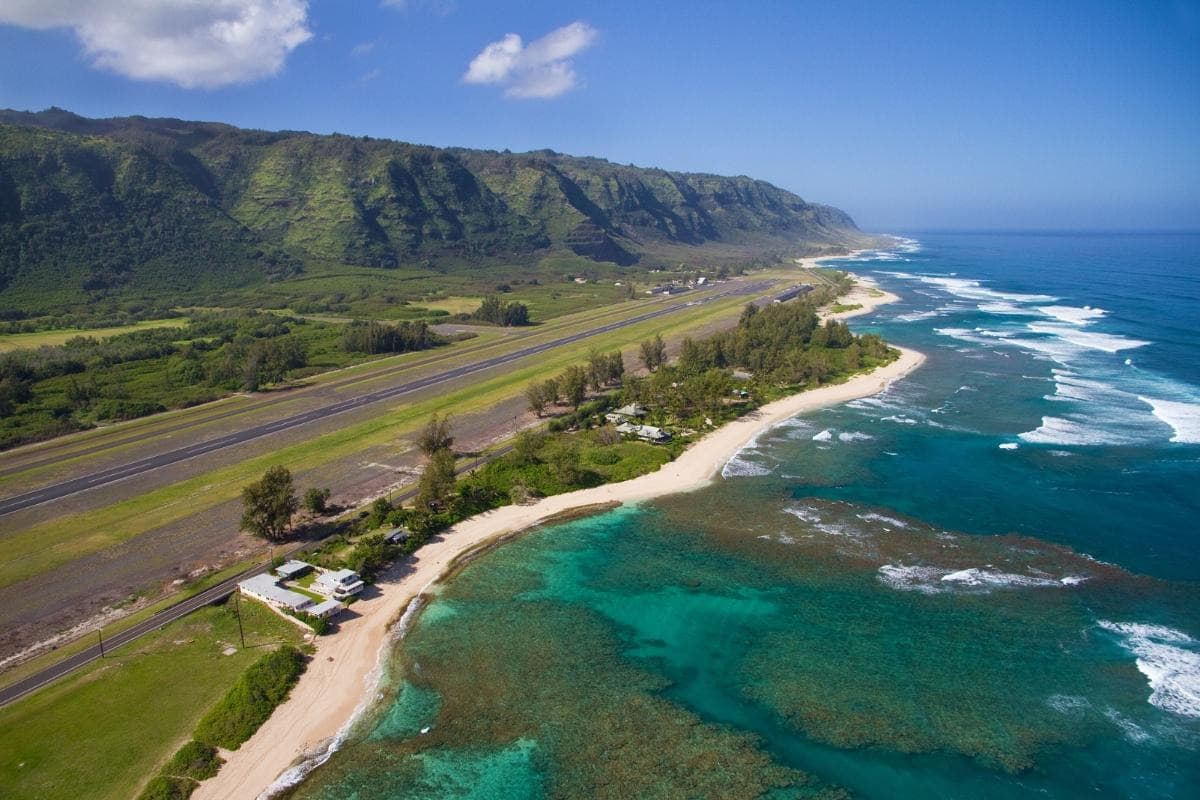
At first light the North Shore wakes slowly—feet padded across sand, boards clacking against racks, and a line of surfers tracing the horizon where swell meets sky. The air tastes of salt and fried garlic from the shrimp trucks already firing up in Kahuku. On any given winter morning the shore is a study in contrasts: orange sun over a glassy lineup, and out beyond the break an entirely different weather system sculpting mountains of water that dare even the best to ride them. This is Oahu’s North Shore: a living portrait of ocean power, local culture, and small-town aloha that rewards anyone willing to meet it on its terms.
Geology and history are obvious here if you look: black lava cliffs and the serrated ridges of the Ko'olau Range remind you the island was shaped by fire and time. The beaches—Waimea Bay, Sunset Beach, Pipeline—are carved from that volcanic past and fed by deep Pacific swells that roll unimpeded from thousands of miles away. For millennia, Polynesians navigated these same waters and surfed the waves not for trophies but for mana, social standing and ceremony. Modern surf culture that grew here continues to shape global surfing—North Shore competitions are where surf legends are made.
Culture in Haleiwa and the surrounding towns feels deliberate and local. Food trucks and shrimp plates are part of the ritual; you’ll trade surf stories with fishermen, and shop vintage surfboards in family-run stores. Conservation has become part of everyday life: the Hawaiian green sea turtle (honu) basks on Laniakea Beach and snorkels at Turtle Beach must be done at respectful distances; visitors learn quickly that the ocean here is a neighborhood with rules.
Adventures are varied and purpose-built for the coast. If you want initiation into the lineup, the Private Surf Lesson for 3-5 People in North Shore Oahu is a practical way to start—two hours with certified instructors, soft-top boards and wave-reading basics that make that first stand-up less chaotic and more fun. For calmer water work, the North Shore Stand-Up Paddleboard Lesson on the Anahulu River pairs marine life viewing (often turtles) with balance coaching in protected waters. Out on the blue, private boat charters, sunset cruises, and whale-watching trips run from Haleiwa Harbor; in winter you can join expert-guided whale watches or a private whale-watching tour to glimpse migrating humpbacks in their breeding season.
If you want to feel the ocean’s teeth, the cage-free and cage shark dives available from Haleiwa are run by experienced crews and marine biologists who emphasize safety and conservation. These encounters are not for everyone, but they change the way you think about apex predators—intelligent, necessary and misunderstood. For a different vantage, helicopter flights reveal the scale of the reef systems and the line of surf breaks that make the North Shore a mecca for big-wave surfers.
Land-based options thread together in equal measure. Zipline tours across working farms deliver panoramic ocean and mountain views and a dose of adrenaline; private off-road and ATV tours take you into restored shoreline ecosystems and bird sanctuaries you wouldn’t see from the highway. The Dole Plantation and small macadamia farms near Wahiawa are pleasant stops for snacks and a lesson in the island’s agricultural past. Bring a camera—the light on the windward cliffs and the wet cliffs of Ka'ena point are photographic gold.
Practical side: winter swell season (roughly November through February) is dramatic and spectacular but not the time for novice ocean play. Summer brings calm water ideal for snorkeling, SUP and family beach days. Whale season peaks December through March. Waimea Valley has a paved, accessible trail to a swim-at waterfall (entrance fee applies), while many of the surf beaches have limited parking—arrive early. Haleiwa is the best base for a North Shore-focused stay; Waikiki is still doable for day trips, but plan for 60–90 minutes each way.
Safety and preparation matter. Hydration, reef-safe sunscreen, and footwear for rocky tidepools are basic. If you plan to snorkel or paddle, respect local guidelines on interacting with turtles and seals—keep a minimum distance, do not feed wildlife, and use reef-safe products. Book surf lessons or boat charters with operators who emphasize local rules and conservation; many outfits include photo packages and local storytelling that deepen the day. Finally, leave time for small discoveries: the smell of roasted coffee at a roadside farm, an impromptu shave-ice in Haleiwa, or a late-afternoon glassy set that lets you stand on the sand and watch masters carve reality into art.
For travelers, the North Shore is both invitation and test. It invites you to slow down, to listen to the sea’s moods, to learn a little of the island’s history and to savor food and people who care about place. It tests you—physically if you try to surf winter waves, and culturally if you arrive expecting only postcard moments. Meet it respectfully, come prepared, and the reward is real: a day—or a week—where the ocean writes the schedule and you get to be part of a very local story.
Trail wisdom
Small choices, better day.
Respect the lineup
If you’re surfing, observe local etiquette—don’t drop in, wait your turn, and ask an instructor about right-of-way at crowded breaks.
Bring reef-safe sunscreen
The reefs here are fragile—use mineral, reef-safe sunscreen to protect corals and marine life before you hit the water.
Arrive early for parking
North Shore beaches and trailheads fill by mid-morning—plan to arrive before 8am for easier parking and quieter conditions.
Check surf and weather reports
Conditions change fast—consult local surf forecasts and ask operators about currents and tide timing before swimming or snorkeling.
Local knowledge
Read the place, not just the route.
Watch for native species including Hawaiian green sea turtle (honu), Humpback whale (seasonal).
Keep an eye out for wildlife during the transition between areas and habitats. Respect distance guidelines.
Local groups manage turtle protections and beach restorations; visitors are asked to respect posted closures, use reef-safe products, and avoid interacting with wildlife.
Follow the guide's instructions on size limits, ethical handling, and leave-no-trace practices.
Secret fruit stands on Kamehameha Highway for tropical snacks. A short, quiet tidepool near Laie Lookout for beginner snorkeling
Locally recommended viewpoints and quiet spots known best to local operators.
The North Shore is steeped in Polynesian surf history and later sugar-plantation agriculture—sites like the Dole fields reflect that agricultural past.
Maritime roots and regional tradition shape the waterways and working coasts.
Seasonal guide
Four versions of the same landscape.
Spring
Best forMild surf · Wildflowers and birding · Waimea Valley hike
ChallengesOccasional large swells · Crowds on good days
Spring balances lingering winter swells with calmer windows—good for whale sightings early in the season and comfortable hikes inland.
Summer
Best forSnorkeling · SUP and calm-water paddling · Beginner surf lessons
ChallengesHot sun · Limited shade at parking lots
Summer turns the bays glassy and clear—ideal for learning to paddle or snorkeling with turtles at protected sites.
Fall
Best forLower crowds · Transition swell sessions · Photography
ChallengesUnpredictable storms · Water temperature changes
Fall offers a sweet spot of fewer visitors and shifting swells—great for photographers chasing dramatic light and surf.
Winter
Best forBig-wave watching · Pro-level surfing · Whale season beginning
ChallengesDangerous surf for novices · Beach closures possible
Winter is North Shore’s spectacle season: enormous waves and major surf events—but it’s not for casual swimmers or beginner surfers.
Pack with intention
What to bring.
Good to know
Common questions.
For big‑wave watching visit November–February; for calm snorkeling and family beach days aim for May–September.
Plan the edges
The details that make the day easier.
The North Shore of Oahu is home to the Banzai Pipeline, one of the world's most famous and dangerous surf breaks, producing some of the largest hollow waves known to surfers.
Haleiwa’s main street is a microcosm of North Shore life—local coffee roasters, shave-ice stands, family-run surf shops and the ubiquitous garlic shrimp trucks that fuel surfers and sightseers alike.
- Base
- Haleiwa; drive time from Waikiki ~60–90 min; best for surf-watching (Nov–Feb) and snorkeling (May–Sep); bring reef-safe sunscreen; parking early; Waimea Valley entrance fee applies.
Support operators who follow local wildlife guidelines, use reef-safe products, and participate in shoreline restoration; avoid touching marine life and pack out all waste.
Explore by topic
Follow the threads.
Keep exploring
Make the story part of the trip.
 Related story
Less than two hours from Nairobi, Kereita Forest pairs hands-on canopy adventure with quiet montane trails and a sobering colonial history—perfect for families, teams, and curious travelers seeking a full-day pulse of nature.
Set out from Bass Harbor for a private, customizable day on Blue Hill Bay — lighthouses, puffins, seals, and the chance to feel Acadia from the water. Small groups, local captains, unforgettable views.
In four hours you can move from shaded canyon ferns to wind-scoured coastal ridgelines, guided by someone who knows where the light—and the hidden views—live. This private half-day hike on the Monterey Peninsula or Big Sur is compact, curated, and perfect for travelers who want depth without a multiday commitment.