
What the day feels like
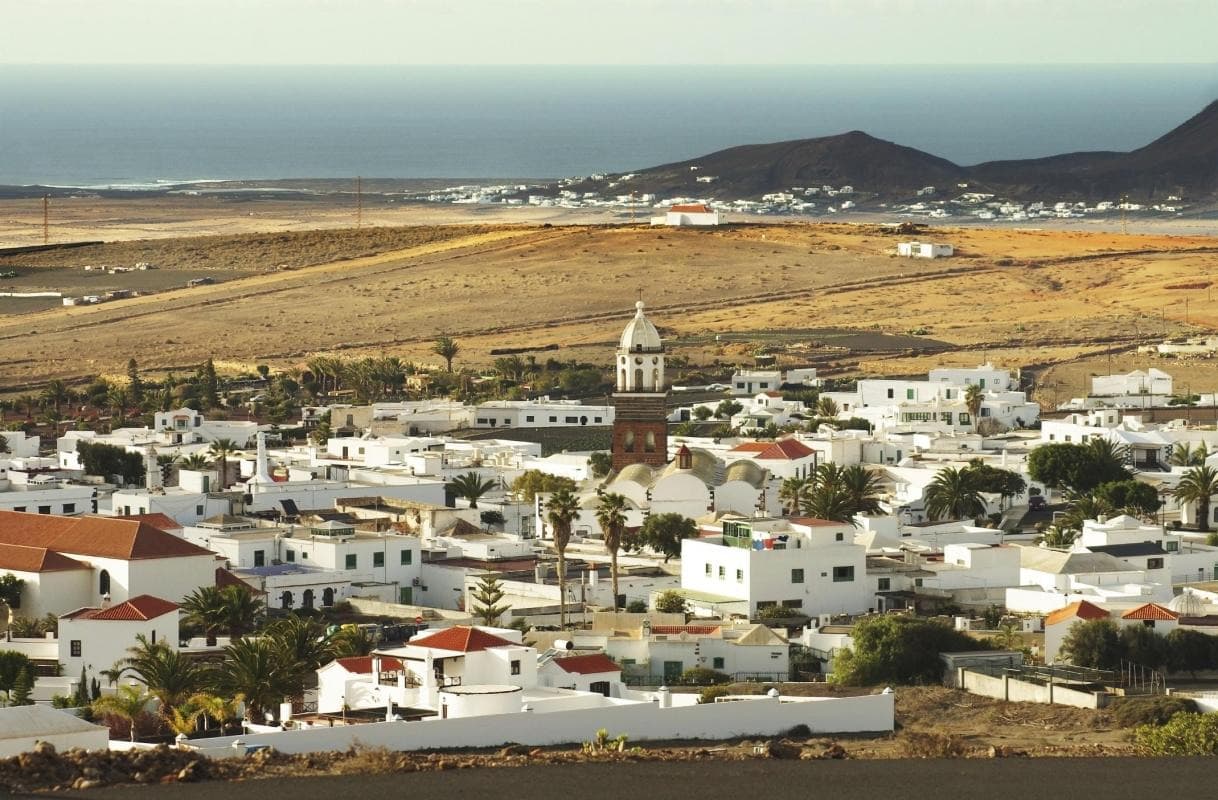
The plaza wakes with a clear, deliberate rhythm. Coffee cups click against saucers, striped awnings open like book covers, and the stone facades of Villa de Teguise—Lanzarote’s historic heart—breathe out the island’s long, patient history. A breeze that smells faintly of salt and volcanic dust moves through the narrow streets, and a lone church bell calls a rhythm older than the resort towns on the coast. Walk here at dawn and the town feels like a living map: layers of Castilian arches, Canarian wooden balconies, and the shadowed cut of lava rock in the walls.
Teguise is compact—its lanes invite idling more than hurrying. That makes it an ideal pivot point for exploring the north of Lanzarote: a place to settle into local life while using the town as a base for wider adventures, like the Bus Tour North Lanzarote with Lunch, which is a practical way to cover the island’s volcanic panoramas in a day. The bus tour is less about rush and more about connecting the dots between dramatic geology and the people who have learned to live with it: César Manrique’s sculptural interventions, coastal cliffs where the Atlantic pins white surf to black rock, and inland vineyards planted in deep volcanic ash.
History sits comfortably beside the present. Teguise was the island’s administrative capital from the 15th century until the 19th century, and the town’s narrow streets still read like an old ledger of that era—fortified houses, colonial facades, and the Castillo de Santa Bárbara perched on a nearby volcanic cone, a watchful sentinel that tells the story of pirate raids and defensive design. The island’s geology is the actor and the stage: lava flows sculpted into ridges and craters, lapilli-sand vineyards shielded by semicircular stone walls (the solana), and black fields that glitter under a March sun.
Culture in Teguise is tangible at market time. Sundays swell the old town with stalls selling pottery, salt-cured fish, local cheeses, and the classic papas arrugadas with mojo—small boiled potatoes puckered in their salt crust and brightened by garlicky sauces. Conversational rhythms change: elderly residents linger longer over coffee, artisans demonstrate techniques, and a busker will tune a guitar against a stone wall that seems to like music. The market is where the town’s practical charm becomes most obvious: souvenirs and sustenance live side by side.
If you’re visiting as an active traveler, consider the Bus Tour North Lanzarote with Lunch as a practical mechanism to expand the sensory vocabulary you’ve built in Teguise. The north of the island compresses a lot of what makes Lanzarote distinctive—Monumentos naturales, ephemeral micro-climates, and vistas that feel at once intimate and oceanic—into a manageable itinerary. The tour puts you in the company of local guides who unpack geological context (how lava deserts became arable land through ingenuity), point out hidden outlooks, and provide a midday meal that translates local ingredients into a single memorable encounter.
Back in town, the best exploration is on foot. Streets are cobbled but short; a casual loop through the plaza, up to the market square, and along Calle León y Castillo will keep you within sightlines of the church towers and the old convent. For a broader perspective, walk or drive up to the Castillo de Santa Bárbara for basalt-laced panoramas of the town against the north shore. The contrast between human-scale stonework and raw, volcanic landscapes is constant—nature and culture in conversation.
Practical edge: Lanzarote is arid and sunny year-round. Mornings are cool; afternoons warm quickly. Sunscreen and a brimmed hat are not optional—I say this from the position of someone who’s underestimated midday sun on textured volcanic rock and felt the cost. Footwear should be sturdy for walking on uneven cobbles and terminally ancient flagstones; a light pair of hiking shoes or trail runners are perfect. Water: bring at least a liter for a morning wander, and plan refills—cafés and small shops are plentiful but spread out between the old town and the outskirts.
Timing is everything for atmosphere. Early morning and late afternoon offer the best light for photography—soft, long, and forgiving on the whitewashed walls and dark volcanic scars. Sunday market day is a cultural highlight, but if you prefer quieter, midweek mornings allow you to move through the town with fewer crowds and more intimacy. If you take the bus tour, pack a light layer: coastal winds on scenic lookout points can feel unexpectedly cool.
Sensible planning will maximize the reward. Book the bus tour with a reputable operator—many include guided commentary and lunch—and use Teguise as a home base for exploring the north. A half-day in the town and a full-day on the road is a balanced rhythm: up-close cultural immersion followed by wider geological spectacle. For those who want a slower stay, a two-night base allows sunrise streets and an unhurried market morning, plus time to visit nearby beaches and vineyards.
Villa de Teguise is quietly persuasive. It doesn’t shout; it gestures. The joy is incremental: a café that remembers how you like your cortado, a tile work that frames a lane, a guide who pauses to show you how people coax life out of volcanic sand. For the traveler who prizes both texture and context—who wants a day that pairs a market espresso with a bus window that frames lava fields and Atlantic spray—Teguise is an invitation to slow down, to look closely, and to come away with a clearer sense of how landscape and culture can shape one another.
Trail wisdom
Small choices, better day.
Go early or late for best light
Mornings and late afternoons offer the most flattering light for photography and avoid the midday heat and market crowds.
Carry drinking water
Bring at least 1 liter when exploring the town and more if you join the full-day north bus tour—shops are available but spaced out.
Wear grippy shoes
Cobbled streets and volcanic pathways can be uneven; low hiking shoes or sturdy trail runners protect ankles and soles.
Reserve the bus tour in advance on market days
Sunday market and peak season increase demand; booking ahead secures your seat for the Bus Tour North Lanzarote with Lunch.
Local knowledge
Read the place, not just the route.
Watch for native species including Canary Islands chiffchaff (small songbird), lizards basking on sun-warmed lava rock.
Keep an eye out for wildlife during the transition between areas and habitats. Respect distance guidelines.
Lanzarote’s fragile arid ecosystems benefit from staying on trails, avoiding collection of volcanic rocks, and supporting local businesses that practice sustainable tourism.
Follow the guide's instructions on size limits, ethical handling, and leave-no-trace practices.
Walk the upper lanes behind the main plaza for quieter, photogenic balconies and tilework. The small municipal garden near the church offers a peaceful morning spot away from market crowds
Locally recommended viewpoints and quiet spots known best to local operators.
Teguise served as Lanzarote’s capital from the 15th century until 1852, leaving a dense concentration of historic architecture and defensive structures.
Maritime roots and regional tradition shape the waterways and working coasts.
Seasonal guide
Four versions of the same landscape.
Spring
Best formild hiking · market visits · vineyard views
Challengesbreezy conditions on headlands · busy Easter weekend
Spring is temperate—ideal for walking the town and joining a north-island bus tour; expect occasional onshore breezes at lookout points.
Summer
Best forlong daylight · coastal views · outdoor dining
Challengesstrong sun and heat midday · crowded beaches and tours
Summer delivers bright, long days; travel early to avoid the hottest hours and pack robust sun protection.
Fall
Best forcomfortable touring · fewer crowds · clear vistas
Challengesvariable winds · limited off-season services
Autumn balances warm daytime temps with quieter streets—great for photography and sampling local cuisine.
Winter
Best formild escapes from colder climates · off-season peace · birdwatching
Challengescooler mornings and evenings · shorter daylight hours
Winter is mild compared with mainland Europe—bring a warm layer for evenings and coastal breezes during tours.
Pack with intention
What to bring.
Good to know
Common questions.
A focused visit to the old town can be 1–3 hours; combine that with the Bus Tour North Lanzarote with Lunch for a full-day experience of the island’s north.
Plan the edges
The details that make the day easier.
Villa de Teguise was the capital of Lanzarote from the 15th century until 1852, and its historic center preserves many buildings from that period.
Taste papas arrugadas with mojo, sample locally produced cheeses and gofio-based pastries, and look for artisans selling ceramics and woven goods at the market—a compact expression of Canarian culture in Teguise’s plaza.
- Getting there
- 20–30 minute drive from Arrecife; language: Spanish with English commonly spoken in tourism; currency: euro; market day: Sunday. Use the town as a base for half-day walking and full-day north island tours.
Support local vendors at the market, stick to signposted paths to protect fragile volcanic surfaces, and avoid taking stones or shells—small actions help preserve Lanzarote’s unique landscape.
Explore by topic
Follow the threads.
Keep exploring
Make the story part of the trip.
 Related story
Less than two hours from Nairobi, Kereita Forest pairs hands-on canopy adventure with quiet montane trails and a sobering colonial history—perfect for families, teams, and curious travelers seeking a full-day pulse of nature.
Set out from Bass Harbor for a private, customizable day on Blue Hill Bay — lighthouses, puffins, seals, and the chance to feel Acadia from the water. Small groups, local captains, unforgettable views.
In four hours you can move from shaded canyon ferns to wind-scoured coastal ridgelines, guided by someone who knows where the light—and the hidden views—live. This private half-day hike on the Monterey Peninsula or Big Sur is compact, curated, and perfect for travelers who want depth without a multiday commitment.