
What the day feels like
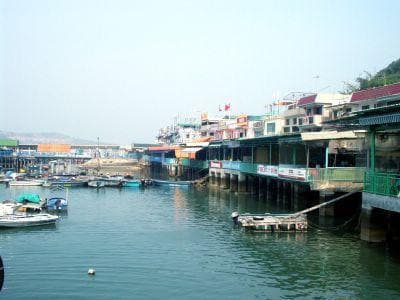
The ferry slips away from Central with the city peeling off behind you—glass towers shrinking, the skyline folding into a band of distant chrome. After twenty to thirty minutes of salt wind and harbor light, Lamma Island appears like an invitation: low hills, clusters of tin-roofed houses, and a coastline that alternates between stony coves and broad beaches. Step onto Yung Shue Wan's wooden piers and the immediate sense is of doors opening inward. Motor traffic is nearly non-existent; the island moves at the speed of footfall, fishing boats bobbing in the harbor, and village dogs lazing beside seafood restaurants that scent the air with grilled fish and garlic.
Lamma Island is Hong Kong’s counterpoint to its own frenzy. For travelers who want the seafaring history and coastal panoramas of the territory without the claustrophobic crush of the city, Lamma is a compact, human-scaled place where walking is the primary way to get around. The island’s network of paths threads together two main villages—Yung Shue Wan and Sok Kwu Wan—crossing ridgelines that look out over the South China Sea and shielding hidden bays where fishermen still land their catch. The island’s story reads like a palimpsest: Neolithic shell middens recorded in archaeological surveys, centuries of Cantonese fishing culture, and now a modern layer of artists, ex-pats, and weekend hikers seeking calm and raw coastline.
Geologically, Lamma is a patchwork of volcanic rock and raised beaches. The contours are modest—no alpine peaks here—but the ridgelines reward with long views of the surrounding archipelago and, on clear days, glimpses of Lantau and Hong Kong Island. Wind and waves have carved much of the shoreline into rocky platforms and sheltered coves, which in turn nurture an intertidal ecosystem of crabs, mudskippers, and shorebirds. The island’s lack of roads makes the human impact quieter; trails are mostly singletrack and paved village links, with enough rugged sections to keep a day-hike interesting.
Culturally, Lamma is equally layered. Sok Kwu Wan’s waterfront is lined with seafood restaurants that have fed Hong Kong families for generations; tins of salted fish and stories of offshore nets still circulate in the conversation. Local temples, like the Tin Hau shrines dotting the shore, point to the islanders’ longstanding relationship with the sea. In recent decades, creative workshops have sprouted up alongside the fishing culture—design studios teaching eco-printing, craft workshops where you can learn napkin techniques, and dumpling-wrapping classes that pair food with local lore. These small cultural experiences add texture to a day of hiking, turning a simple walk into a fuller immersion in island life.
The common itinerary is simple and rewarding: take the ferry to Yung Shue Wan, follow the family-friendly Lamma Family Trail across the spine of the island to Hung Shing Yeh Beach, drop down toward Sok Kwu Wan for seafood, then return by ferry or on the same trail. For those who want structure, the Small Group Hiking Day Tour to Lamma Island is a streamlined way to combine transport and a local guide, and private Lamma Island day tours offer tailored walks and a deeper dive into fishing villages and hidden viewpoints. If you prefer hands-on cultural experiences, book a Cultural Walk & Dumpling Wrapping or a Craft Workshop with a local artist like Stella Cheng to learn eco-printing and design techniques rooted in Hong Kong’s traditions.
Practicality grounds the romance here. Trails range from gentle village promenades to short, steep sections with uneven rock steps; expect cumulative elevation gain that feels meaningful on a half-day hike but not technical. Footwear matters—sturdy walking shoes or light hikers are the sweet spot. Bring water, sun protection, and a small first-aid kit, and time your visit for morning or late afternoon to avoid the heat and to catch the best light on the water. Ferry schedules dictate the day’s rhythm: miss the last boat and you won’t be stranded for long, but the island’s slower pace is part of its charm, so allow time to linger over a seafood lunch, explore temple courtyards, or take a workshop.
For photographers and slow travelers, Lamma’s edges are the prize. The west-facing ridgeline gives long sunsets across the sea, while the intertidal flats are a playground for close-up nature shots. And for anyone curious about local life, a sit-down at a family-run seafood stall in Sok Kwu Wan or a dumpling class with a local artist will bring the island’s culture to life in a way a guidebook cannot.
Lamma Island is not a wilderness challenge; it’s a lesson in scale and pace. The island dares you to slow down—its currents and cliffs, its fishermen and food, its workshops and trails—building a day that’s equal parts coastal hike and cultural dip. Come with sensible shoes, an appetite for grilled fish, and a readiness to trade the city’s speed for something quieter and clearer. You’ll leave with the light on the harbor in your memory, and an uncomplicated sense that, for a few hours, you were moving at the island’s pace.
Trail wisdom
Small choices, better day.
Start early or late
Ferry rides are pleasant but the midday sun is strong—begin at first light or later in the afternoon for cooler hiking and better light.
Wear grippy shoes
Trails include uneven rock steps and coastal slabs; light hiking shoes with good traction prevent slips.
Bring cash
Many small cafes, temples, and craft workshops accept cash only—carry small bills for food and local purchases.
Book a workshop in advance
Popular craft classes and eco-printing sessions have limited space—reserve ahead to secure a spot.
Local knowledge
Read the place, not just the route.
Watch for native species including egrets and herons, intertidal crabs and mudskippers.
Keep an eye out for wildlife during the transition between areas and habitats. Respect distance guidelines.
The island’s small scale and vehicle-free ethos reduce footprint, but visitor pressure on trails and single-use plastics are current concerns—use refillable bottles and pack out trash.
Follow the guide's instructions on size limits, ethical handling, and leave-no-trace practices.
Hung Shing Yeh viewpoint above the beach for sunset panoramas. A small design studio offering eco-printing workshops by local artist Stella Cheng
Locally recommended viewpoints and quiet spots known best to local operators.
Lamma has roots in fishing communities going back thousands of years; archaeological finds and long-established Tin Hau shrines reflect its maritime past.
Maritime roots and regional tradition shape the waterways and working coasts.
Seasonal guide
Four versions of the same landscape.
Spring
Best forwildflower blooms · mild hiking · birdwatching
Challengesoccasional showers · humid afternoons
Spring brings mild temperatures and coastal wildflowers; expect occasional rain and plan layers for changing conditions.
Summer
Best forbeach time · waterfront dining · early morning hikes
Challengeshigh heat and humidity · typhoon season risk
Summer is hot and humid with the highest chance of typhoons—hit the trails early and keep an eye on weather advisories.
Fall
Best forclear views · comfortable hiking · seafood dining
Challengesincreased weekend crowds · limited shade on ridgelines
Autumn offers the most stable weather—clear skies and comfortable temperatures make for excellent hiking and sunset views.
Winter
Best forcool walks · calmer seas · off-season tranquility
Challengescool, windy days · shorter daylight hours
Winter is cool and breezy, ideal for long walks and quieter villages; bring a wind layer for exposed ridgelines.
Pack with intention
What to bring.
Good to know
Common questions.
Regular ferries run from Central Pier to Yung Shue Wan and Sok Kwu Wan; the crossing is about 20–30 minutes depending on the service.
Plan the edges
The details that make the day easier.
Lamma Island has no cars and relies on footpaths and small village vehicles—walking is the primary mode of transport.
Sok Kwu Wan’s seafood restaurants and Yung Shue Wan’s indie cafés anchor the island’s food scene; craft workshops by local artists add hands-on cultural insight to the day’s walk.
Support locally run businesses, avoid single-use plastics, stick to established trails, and choose small-group or eco-certified tours to reduce impact.
Explore by topic
Follow the threads.
Keep exploring
Make the story part of the trip.
 Related story
Less than two hours from Nairobi, Kereita Forest pairs hands-on canopy adventure with quiet montane trails and a sobering colonial history—perfect for families, teams, and curious travelers seeking a full-day pulse of nature.
Set out from Bass Harbor for a private, customizable day on Blue Hill Bay — lighthouses, puffins, seals, and the chance to feel Acadia from the water. Small groups, local captains, unforgettable views.
In four hours you can move from shaded canyon ferns to wind-scoured coastal ridgelines, guided by someone who knows where the light—and the hidden views—live. This private half-day hike on the Monterey Peninsula or Big Sur is compact, curated, and perfect for travelers who want depth without a multiday commitment.