
What the day feels like
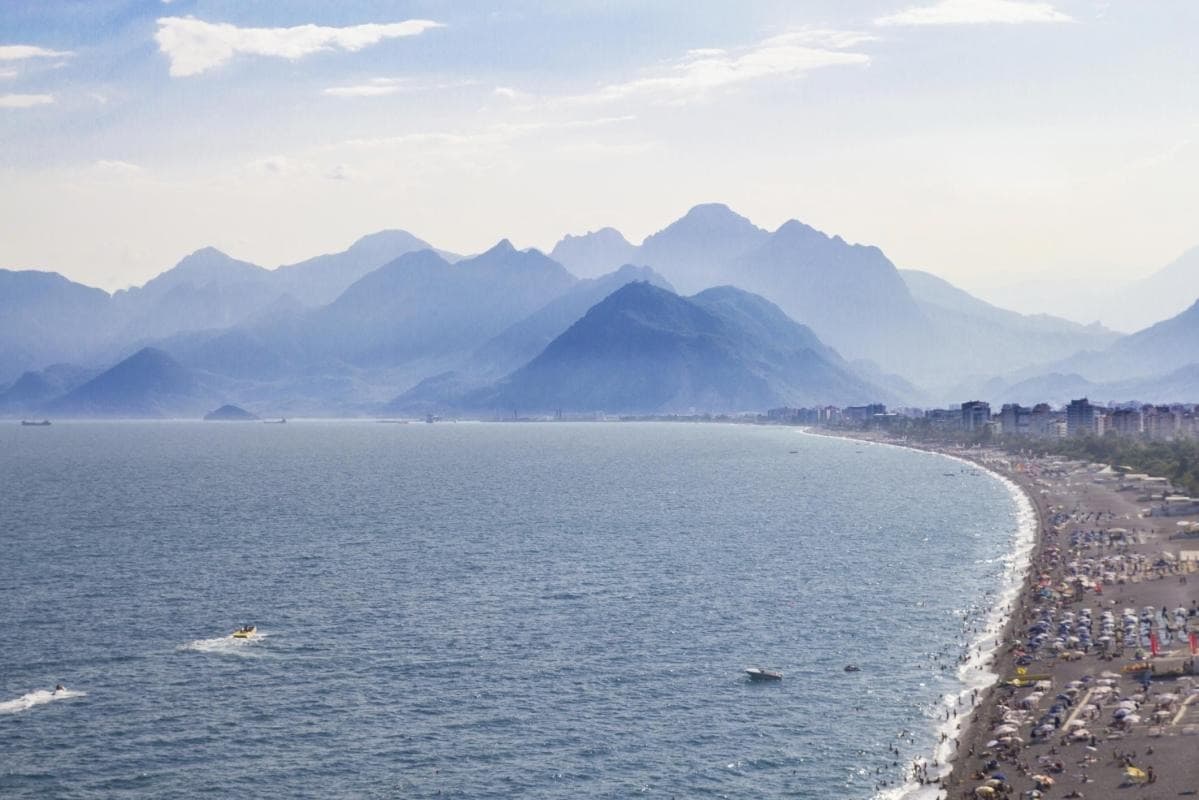
By the time the tram clatters into Konyaaltı, the morning has already warmed the shallow edge of the Mediterranean to a forgiving temperature. You hop off at the curve of the promenade and the beach opens like a long inhalation—a crescent of blue and grey pebbles backed by the stark, knife-edge ridges of the Taurus Mountains. Boats bob at the horizon, fishermen haul in small silver flashes, and a late-summer breeze teases the surface of the water. It’s an easy kind of adrenaline: not the vertigo of cliffs but the deliberate, tactile pull of a paddle in your hands as you push away from shore and let the sea decide your rhythm.
Konyaalti Beach is less a single place than a string of experiences sewn along seven kilometers of Mediterranean coastline. Locals arrive with picnic crates and umbrellas; early-risers lace wetsuits and carry SUP boards to the shore. The most interesting thing about the bay isn’t that it’s lovely—which it is—but that it offers a sweet intersection of accessible play and real adventure. Operators run 90-minute SUP and canoe circuits that thread the calmer waters along Konyaalti’s cliffs and small sea caves, while photo tours and evening city rides highlight the panorama where the shoreline curves into the city.
This stretch of Antalya is shaped by sea and stone. Geologically, the beach is a product of limestone cliffs eroding down from the Taurus range—rock and scree grind into rounded pebbles that make the shore cool underfoot and the water clear within a few meters. Historically, Antalya’s coastal strip has been a crossroads of civilizations; from Roman remnants tucked in Kaleiçi’s alleys to Ottoman-era fishing traditions, the city wears multiple layers with casual confidence. Konyaalti itself is a modern expression of that coastal culture—public parks, seaside cafés, and a long promenade where the local pulse is as present at dawn as it is under the lanterns of a mild Mediterranean night.
Canoeing and SUP here feel like a local rite. Early-morning trips—often marketed as sunrise canoeing or SUP experiences—lead paddlers away from the bustle into glassy water, toward small coves where fishermen still mend nets on concrete ledges. On a guided 90-minute paddle you’ll learn to read the wind and the little eddies that form where rocky points deflect the current. Guides point out caves and waterfalls that are hidden from the road: small features that reveal Antalya’s topology at human scale.
For photographers and city-lovers, Konyaalti is an approachable complement to what you’ll see in Kaleiçi. Private highlights tours and evening city rides fold Konyaalti into a wider narrative: the Lower Düden Waterfalls throwing their spray into the sea, sweeping coastal panoramas visible from city viewpoints, and the promenade itself—softly lit at night—where the footsteps and café chatter make the beach feel like an urban room.
Practicality matters here. The beach is primarily pebbled, not sandy: your ankles will thank you for water shoes or light sandals. Currents are generally mild but can pick up in the afternoon, and sudden winds are not uncommon—so most operators schedule paddles for morning or late afternoon. If you want the clearest water and the calmest conditions, aim for the earlier hours; if you prefer warm, languid swims and a lively promenade afterward, mid- to late-afternoon works well.
Konyaalti is a place for many appetites: families with foldable chairs, solo travelers on inflatable SUPs, and photographers chasing that off-kilter angle where the city meets the mountains. The best way to sample it quickly is a guided paddle: instructors cover basics of technique and safety, provide life vests, and choose routes that maximize calm water and coastal features. For a more curated day, pair a morning SUP with an afternoon private photo tour or an evening city circuit that includes the illuminated Lower Düden falls and Kaleiçi’s lanes.
Safety is straightforward but not trivial. Wear a PFD, check weather and wind forecasts, and respect local boat lanes. If you stray past the buoy line, be mindful of deeper water and boat traffic. Hydrate: the Mediterranean sun can be insistent even when a breeze is present. Leave no trace—Konyaalti is a public beach and litter quickly transforms its pleasant, municipal feel into a stress on local resources.
If you’re planning a trip: book morning paddles a day or two in advance in high season, bring reef-friendly sunscreen, and leave time to stroll the promenade for fresh fish and Turkish coffee. If you have one night in Antalya, time your visit so you can watch the skyline flare at sunset from the pebble shore, then join an evening city tour that moves from seaside promenade to lantern-lit old town. For longer stays, use Konyaalti as a calm base for day trips into the Taurus range or to the Düden waterfalls.
Konyaalti is not dramatic for drama’s sake. Its appeal is steadier: a place where sea and city collaborate, where a short paddle opens pockets of cliff and cave, where evening light and the mountain ridgeline make even a simple swim feel particular. It’s where you learn to measure adventure by the quality of the salt on your lips and the ease with which the water accepts you. And that, roughly, is the promise of Antalya’s pebble strand—accessible, layered, and quietly exacting.
Trail wisdom
Small choices, better day.
Go early for calm water
Morning paddles offer the clearest conditions and light wind; book sunrise or early-morning sessions for the best SUP/canoe experience.
Wear water shoes
The shoreline is pebbled—water shoes protect your feet and make launches and exits much easier.
Use reef-safe sunscreen
Protect local marine life and your skin by choosing mineral-based, reef-safe sunscreen.
Bring a dry bag
Keep your phone, keys, and a light layer dry while paddling; most guided trips will provide one but check ahead.
Local knowledge
Read the place, not just the route.
Watch for native species including Mediterranean gulls, Occasional dolphinfish or small pod of dolphins offshore.
Keep an eye out for wildlife during the transition between areas and habitats. Respect distance guidelines.
Konyaalti is a busy municipal beach—local groups and authorities promote beach cleanups and encourage reef-safe sunscreen and responsible waste disposal to protect marine habitats.
Follow the guide's instructions on size limits, ethical handling, and leave-no-trace practices.
Small sea caves and cliff inlets reachable by SUP near the western end of Konyaalti. A quieter parkside stretch behind the beach where locals picnic away from the promenade
Locally recommended viewpoints and quiet spots known best to local operators.
Antalya’s coastal corridor has roots in Roman and Ottoman eras; the modern promenade blends municipal beach culture with traditional fishing practices that continue in small numbers today.
Maritime roots and regional tradition shape the waterways and working coasts.
Seasonal guide
Four versions of the same landscape.
Spring
Best forcalmer seas · fewer crowds · wildflower-lined promenades
Challengescooler water temperatures · unpredictable spring winds
Late spring brings warming air and clear water—ideal for paddles if you dress in a light wetsuit or layers for early starts.
Summer
Best forswimming · long daylight hours · evening promenade life
Challengesheat and crowds · stronger afternoon winds
Summer is peak season for beach life and guided tours, but plan paddles in the morning to avoid heat and late-day winds.
Fall
Best forwarmer sea temps · quieter beaches · photography
Challengesshortening days · some seasonal service reductions
Early fall often has warm water and comfortable air; it’s a sweet shoulder season for paddling and sightseeing without high-season crowds.
Winter
Best forstorm-watching · local life · off-season rates
Challengescool water, limited paddling ops · possibility of rough seas
Winter brings stormy seas and quieter promenades; most paddle operators reduce offerings, but the coastline remains dramatic for walks and photography.
Pack with intention
What to bring.
Good to know
Common questions.
Konyaalti is mostly pebbled; the water is clear and entry is easy with water shoes, but you won’t find long sandy stretches here.
Plan the edges
The details that make the day easier.
Konyaaltı Beach stretches roughly seven kilometers along Antalya’s western coastline and is backed directly by the Taurus Mountains, giving it one of the region’s most dramatic coastal backdrops.
Konyaalti’s promenade is lined with seafood grills, small bakeries selling gözleme, and cafés serving Turkish coffee—an after-paddle stroll is a good way to sample Antalya’s coastal flavors and local life.
- Access
- Antalya tram and buses; Entrance: public beach, free; Facilities: showers, cafés, rental shops; Nearest airport: Antalya Airport ~20–30 km east; Best times: morning paddles, late-afternoon swims.
Choose licensed operators that follow waste management practices, use reef-safe sunscreen, and participate in local beach cleanups to minimize tourism’s impact on coastal ecosystems.
Explore by topic
Follow the threads.
Keep exploring
Make the story part of the trip.
 Related story
Less than two hours from Nairobi, Kereita Forest pairs hands-on canopy adventure with quiet montane trails and a sobering colonial history—perfect for families, teams, and curious travelers seeking a full-day pulse of nature.
Set out from Bass Harbor for a private, customizable day on Blue Hill Bay — lighthouses, puffins, seals, and the chance to feel Acadia from the water. Small groups, local captains, unforgettable views.
In four hours you can move from shaded canyon ferns to wind-scoured coastal ridgelines, guided by someone who knows where the light—and the hidden views—live. This private half-day hike on the Monterey Peninsula or Big Sur is compact, curated, and perfect for travelers who want depth without a multiday commitment.