
What the day feels like
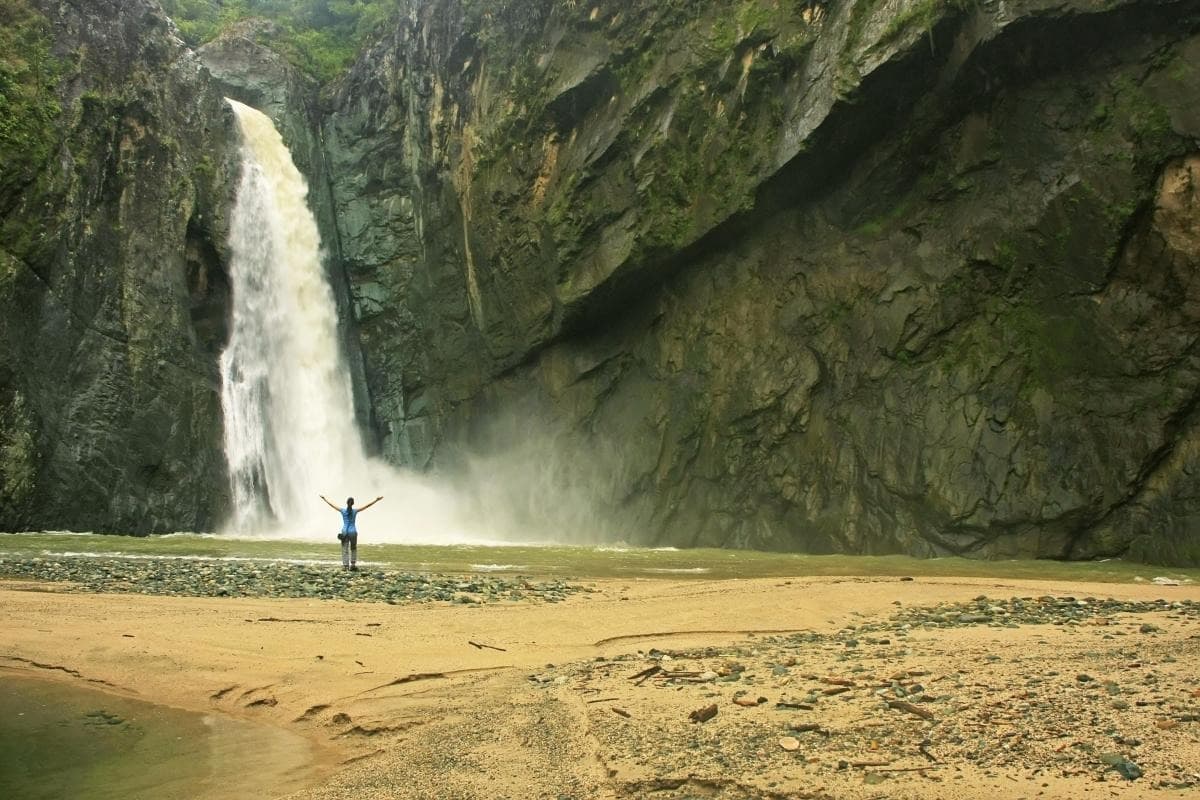
You step off the narrow lane and into a different Dominican Republic — one that smells of wet earth and green coffee rather than salt and sand. The road to Baiguate Waterfall snakes inland from Puerto Plata, climbing into foothills where the air cools and the trees thicken. A chorus of insects and distant bird calls fills the gaps between the hum of a lone bus and the clack of hikers' boots. Then, just when the forest seems to press in closest, you hear it: the waterfall, at first a hush and then a single bright voice throwing itself over bedrock.
Salto de Baiguate is a short, urgent landscape. The main drop tumbles into a wide, scalloped pool that invites both a photo and a quick, restorative plunge. The water smells of stone and moss; sunlight skitters across the surface and the spray paints rainbows if you catch the right angle. It’s easy to romanticize the scene, but Baiguate’s appeal is practical as well as poetic — the approach is accessible, the swim is real, and the surrounding trails give you options from a twenty-minute romp to a half-day of creekside exploration.
Geologically the falls are a product of the island’s uplifted interior. Streams that begin in the higher ridges cut down through basalt and limestone, finding weak seams and carving pools where local communities have long come to cool off. Historically, mountain waterfalls like Baiguate have been social places: for decades locals have used the pools for washing, for recreational dips, and as gathering spots on hot afternoons. The vegetation here — a tight mix of secondary forest and reforested coffee terraces — frames the falls and reminds you that the mountains are working landscapes as much as wild ones.
Culturally, a stop at Baiguate dovetails with the rural life of the Dominican interior. Small roadside vendors sell grilled plantain, cold drinks, and freshly brewed mountain coffee. In nearby mountain towns, trout farms and smallholder coffee plots tell a quieter story than the beachfront resorts to the north. Those willing to linger will find that the best part of visiting a waterfall in the DR is not only the waterfall itself, but the human scale of the surrounding community: children with wet hair and wide smiles, elderly couples resting on low walls, and guides who know exactly where the slickest rocks are.
Practicalities matter here. The primary approach trail is short — generally around 0.5–0.8 miles (1–1.3 km) round-trip with roughly 150–250 feet (45–75 m) of elevation change — but it’s rooted and uneven, and it can get muddy after rain. Expect a mix of packed soil, exposed roots and some rock-stepped sections. The trail is well-trod and usually marked by ropes or handrails in the trickier patches, but waterproof shoes with good tread are essential. After heavy rains the current can strengthen; use caution entering the main pool and don’t attempt the higher ledges unless a local guide specifically clears them.
Timing is a subtle art. The falls are busiest mid-afternoon on weekends when local families arrive; aim for early morning if you want less company and calmer water. The peak water flow is during the wet months, which makes for dramatic photos but more slippery trails and stronger currents. From Puerto Plata, plan on a 60–90 minute drive inland depending on traffic and your exact starting point. There’s usually a small entry fee or voluntary contribution to the caretakers at the trailhead, and local vendors often offer drinks and snacks.
For travelers who want to expand the outing, pair Baiguate with a tour of nearby mountain coffee farms or a visit to trout streams, and consider hiring a guide to show you lesser-known cascades in the watershed. A half-day spent here is restorative: a combination of short hiking, swimming, and community contact that feels like an antidote to resort life.
Conservation is quietly active around waterfalls like Baiguate. Litter, informal trails, and unregulated cliff-jumping are the main issues. Respect local signage, pack out trash, and avoid sunscreen when you swim if possible — mineral-laced sunscreens can affect water quality. Supporting local guides and vendors keeps tourism dollars in the community, which is vital for conservation and stewardship.
If you go: bring waterproof footwear, time your visit for morning, and expect to get a little wet. The reward is simple — clear, cool water; a green amphitheater of trees; and an easy connection to the mountain side of the Dominican Republic. The fall is not the grandest on the island, but it is honest and immediate: a place where the mountains speak plainly and the water answers back.
Trail wisdom
Small choices, better day.
Go early
Arrive before 10 AM to beat the crowds and catch calmer water for swimming and photos.
Wear grippy shoes
The trail is rocky and can be slippery; waterproof trail shoes or sandals with a tread reduce slipping risk.
Check recent rain
Heavy rain raises current and muddies trails — avoid swimming after intense storms.
Support local vendors
Buy a drink or hire a guide at the trailhead to keep tourism income in the community.
Local knowledge
Read the place, not just the route.
Watch for native species including Green herons, Butterfly species including heliconiines.
Keep an eye out for wildlife during the transition between areas and habitats. Respect distance guidelines.
Local stewardship focuses on limiting litter and informal trail creation; support local guides and avoid sunscreen that could affect water quality to help preserve the pool.
Follow the guide's instructions on size limits, ethical handling, and leave-no-trace practices.
Nearby coffee farms where you can sample fresh mountain coffee. Small trout streams and family-run ponds used for local trout farming
Locally recommended viewpoints and quiet spots known best to local operators.
The falls sit within the Dominican Republic’s interior mountain culture; mountain streams have supported nearby smallholder agriculture and local gatherings for generations.
Maritime roots and regional tradition shape the waterways and working coasts.
Seasonal guide
Four versions of the same landscape.
Spring
Best formoderate flows · fewer crowds · comfortable temperatures
Challengessporadic rains · muddy patches after showers
Spring (March–May) balances good flows and pleasant weather — a reliable window for hiking and swimming with manageable trail conditions.
Summer
Best forfull flows · lush vegetation · dramatic photos
Challengesheavy rains, stronger currents · hotter afternoons
Summer brings abundant water and vivid greenery, but expect afternoon storms and slick rocks — time visits for morning hours.
Fall
Best forwarm water · fewer tourists · extended daylight
Challengesoccasional tropical storms · variable trail conditions
Fall can still deliver great swimming and scenic colors, though occasional storms may affect safety and access.
Winter
Best forcooler hikes · clearer skies · less humidity
Challengeslower flows in dry stretches · cooler pool temperatures
Winter months are drier and cooler — ideal for crisp hikes but the waterfall may run lower than in rainy months.
Pack with intention
What to bring.
Good to know
Common questions.
The main approach is short — roughly 0.5–0.8 miles (1–1.3 km) round-trip with 150–250 feet of elevation change, typically taking 30–60 minutes including time at the pool.
Plan the edges
The details that make the day easier.
Baiguate Waterfall is part of the Dominican Republic’s inland mountain system, where many small streams carve dramatic drops and create natural pools that local communities have long used for bathing and cooling off.
Pair a waterfall visit with a stop at a mountain coffee finca or a roadside vendor for grilled plantain and chilled coconut water — the area’s cuisine reflects its mountain roots and fresh produce.
- Drive time from Puerto Plata
- ~60–90 mins; Trail length: ~1–1.3 km round-trip; Elevation change: ~150–250 ft; Best time: early morning; Entry: small local fee (cash).
Bring reusable bottles, avoid chemical sunscreens, and buy from local vendors to minimize your footprint while supporting community stewardship of the falls.
Explore by topic
Follow the threads.
Keep exploring
Make the story part of the trip.
 Related story
Less than two hours from Nairobi, Kereita Forest pairs hands-on canopy adventure with quiet montane trails and a sobering colonial history—perfect for families, teams, and curious travelers seeking a full-day pulse of nature.
Set out from Bass Harbor for a private, customizable day on Blue Hill Bay — lighthouses, puffins, seals, and the chance to feel Acadia from the water. Small groups, local captains, unforgettable views.
In four hours you can move from shaded canyon ferns to wind-scoured coastal ridgelines, guided by someone who knows where the light—and the hidden views—live. This private half-day hike on the Monterey Peninsula or Big Sur is compact, curated, and perfect for travelers who want depth without a multiday commitment.