
What the day feels like
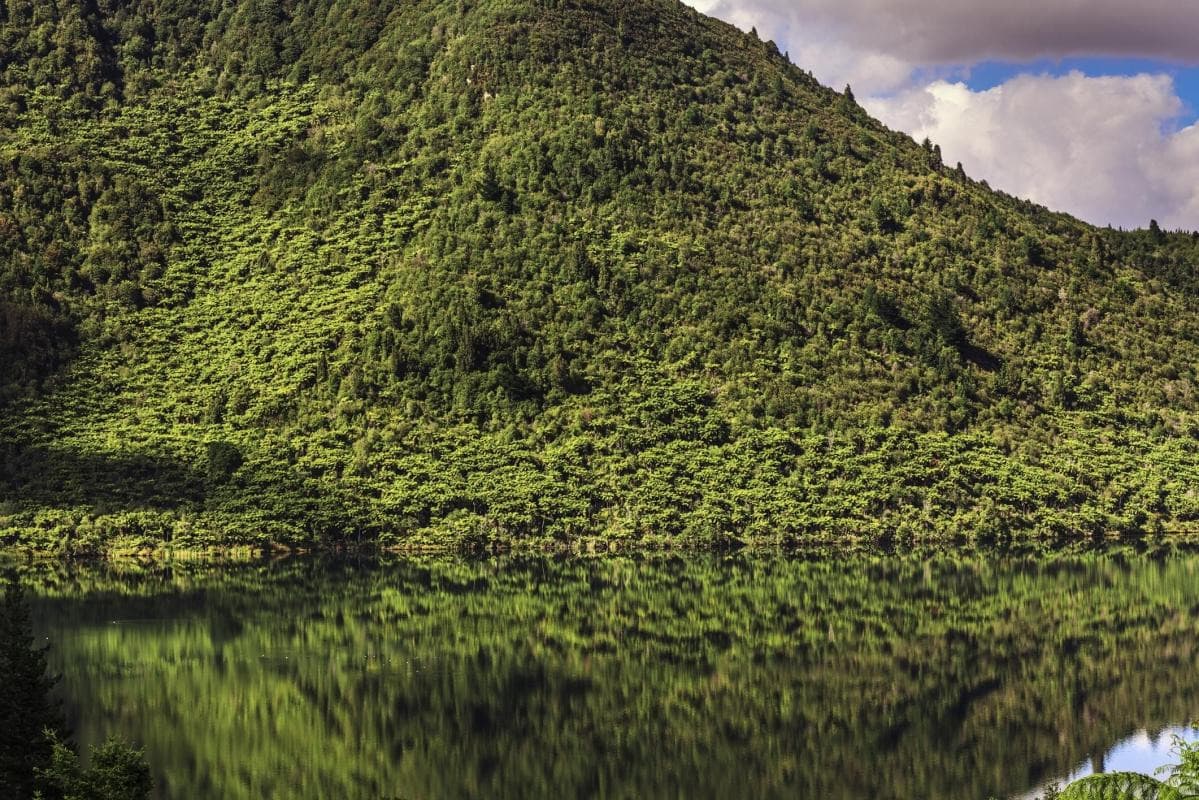
The first light in Rotorua arrives like a quiet negotiation: steam from geothermal vents lifts off valley flats while the lakes hold their breath. At Lake Rotokakahi — Green Lake to most visitors — the surface answers the dawn with a cool, glassy green that looks almost deliberate, as if the water decided to keep the forest’s secrets for itself. Stand on the narrow strip of shoreline and you’ll feel the lake looking back: reflections so exact the pines double into a second world. A small, crater-formed lake, Rotokakahi sits slightly removed from the tourist heartbeat of downtown Rotorua, and that distance is part of its charm.
The Green Lake is most often encountered as part of a half-day circuit or scenic lakes tour from Rotorua. The Explore The Lakes Tour (9am–1pm) is one of the better introductions: a driver-guide escorts a small group to Hamurana Springs, Okere Falls and Tutea Falls, Lake Rotoiti, Blue Lake (Tikitapu) and Green Lake, pausing for short walks and photography. The rhythm of that tour—short drives, short walks, long views—fits the way these lakes reveal themselves: slowly, a detail at a time.
Geology and history are layered here. Green Lake occupies a volcanic crater and is part of the greater Rotorua caldera landscape shaped by repeated eruptions over the last tens of thousands of years. The clarity and color of the water is owed to its depth, mineral content and the way light meets the lake’s sheltered basin. For Māori, these lakes are more than scenic backdrops; they are taonga (treasures). Rotokakahi translates to "lake of the kākahi," the freshwater mussel once abundant here, and local iwi maintain cultural connections and customary practices tied to the water.
The trail system around the Blue and Green lakes is compact and accessible. A full circuit that links both lakes and their shorelines can be done in a couple of hours on well-formed paths, with only modest elevation change and forested sections that open to panoramic water views. The Explore The Lakes Tour adds the texture of local stories—how the springs were used, where the trout run, and which viewpoints offer the best reflections—making it a practical way to sample the district’s lakes if your time in Rotorua is limited.
What to expect on the ground: paths range from compacted gravel to root-strewn forest steps; boardwalks protect sensitive margins in places. The Green Lake shoreline is quiet—no commercial jet skis or large boats—so sound tends to be natural: birds, the soft slap of water, the wind in pines. Expect native bush that offers shelter from wind and a chance to spot tūī and fantails trilling in the canopy. Water clarity can be spectacular in the morning; by midday a seabreeze can crease the surface and make reflections ripple into painterly strokes.
Practical edge: timing matters. If photography or calm water is a priority, arrive at first light. On most days the Blue Lake (Tikitapu) and Green Lake pair well—Blue Lake shows brilliant cobalt while Green Lake’s tone is deeper and more forested—so plan to visit both in one outing. Wear layered footwear: trails are short but often damp underfoot and can have muddy patches after rain. Respect local signage and tikanga (customs); some sites have cultural restrictions or requests around swimming and removal of natural materials.
Safety and logistics are straightforward: Rotorua is about 20 minutes’ drive from the lakes and tour operators run small-group half-day trips that remove the need to navigate rural roads yourself. If you drive, parking is limited at peak times; consider an early start or the convenience of a guided tour that sequences Hamurana Springs, Okere Falls and the lakes into a single, relaxed morning.
The Green Lake is a quiet, reflective counterpoint to Rotorua’s geothermal theatrics. It’s a place built for lowered voices and measured steps: a natural mirror that rewards patience. Whether you’re chasing reflections with a wide-angle lens, following a guide who threads together the lakes’ stories, or simply taking a short, restorative walk through native bush, Rotokakahi is an antidote to hurry and a reminder that some landscapes keep a little of their magic to themselves. Plan with respect, move with curiosity, and leave the kākahi and the shoreline in the same condition you found them—quiet, preserved, and green as a held breath.
Trail wisdom
Small choices, better day.
Go at dawn for still reflections
Early mornings usually bring calm water and the best light for photos; wind picks up by midday and can blur reflections.
Layer your footwear
Trails are short but can be damp and rooty—light hiking shoes or trail runners with grip are ideal.
Respect cultural sites
Observe signage and local requests—some areas are culturally significant to iwi and may have restrictions on swimming or foraging.
Bring a reusable water bottle
There are limited services at the lakes; carry at least 1–2 liters and use refill stations in Rotorua before you go.
Local knowledge
Read the place, not just the route.
Watch for native species including tūī (native songbird), kākahi (freshwater mussels).
Keep an eye out for wildlife during the transition between areas and habitats. Respect distance guidelines.
Stick to marked trails and clean footwear to prevent spreading invasive species; respect cultural restrictions and leave no trace.
Follow the guide's instructions on size limits, ethical handling, and leave-no-trace practices.
Hamurana Springs—a clear spring with walkways and excellent photo ops. Tutea Falls lookout on the Okere Falls track for a quieter waterfall viewpoint
Locally recommended viewpoints and quiet spots known best to local operators.
The lakes are part of the Rotorua volcanic landscape and are culturally significant to local iwi; Rotokakahi means 'lake of the freshwater mussel.'
Maritime roots and regional tradition shape the waterways and working coasts.
Seasonal guide
Four versions of the same landscape.
Spring
Best forwildflower bloom · cool morning photography · short walks
Challengeschangeable weather · muddy trails
Spring brings fresh green growth and fewer crowds; pack layers for unpredictable showers and expect damp trail sections.
Summer
Best forswims (where permitted) · longer daylight · combined lake tours
Challengesmore visitors · occasional wind that disturbs reflections
Summer offers warm days and full tour schedules—start early to beat crowds and catch glassy water in the morning.
Fall
Best forautumn colors · crisp morning light · less crowded trails
Challengescooler evenings · shorter days
Autumn delivers clear light and quieter paths; bring an insulating layer for brisk mornings and return before dusk.
Winter
Best formoody landscapes · clear air for distant views
Challengescolder temperatures · short daylight hours
Winter can be beautifully stark but cold—dress warmly and plan shorter outings to make the most of limited daylight.
Pack with intention
What to bring.
Good to know
Common questions.
A simple shoreline walk around Green Lake can take 30–60 minutes depending on stops; linking Blue Lake makes a 1.5–3 hour outing for a relaxed pace.
Plan the edges
The details that make the day easier.
Rotokakahi literally means 'lake of the kākahi'—the freshwater mussel—and the lakes around Rotorua are volcanic crater lakes formed within the region's caldera system.
Rotorua’s lakes are woven into Māori stories and local life—pair a lakes visit with a cultural experience in town to understand the deeper significance of the water and land.
- From Rotorua
- 20–30 minute drive; half-day guided tours run 9am–1pm; short, well-marked walking tracks; limited parking and facilities at lakesides; best early morning for reflections.
Stay on trails, avoid introducing foreign species via footwear or gear, and follow local guidance—support small, locally run tours that contribute to regional conservation and iwi stewardship.
Explore by topic
Follow the threads.
Keep exploring
Make the story part of the trip.
 Related story
Less than two hours from Nairobi, Kereita Forest pairs hands-on canopy adventure with quiet montane trails and a sobering colonial history—perfect for families, teams, and curious travelers seeking a full-day pulse of nature.
Set out from Bass Harbor for a private, customizable day on Blue Hill Bay — lighthouses, puffins, seals, and the chance to feel Acadia from the water. Small groups, local captains, unforgettable views.
In four hours you can move from shaded canyon ferns to wind-scoured coastal ridgelines, guided by someone who knows where the light—and the hidden views—live. This private half-day hike on the Monterey Peninsula or Big Sur is compact, curated, and perfect for travelers who want depth without a multiday commitment.