
What the day feels like
The morning wind off the Atlantic has a way of making you pay attention. On Cooper's Island Nature Reserve, the breeze arrives like an invitation—salt-laced, insistent, moving across low scrub and pink sand with the patience of someone who’s been doing this for millennia. You pick your way over weathered limestone, past hardy cedar and palo santo scrub, and the coast opens: a sweep of reef-dimpled water, rocky promontories, and small coves with sand the color of powdered rose. It’s a place both quiet and athletic—tide and wind making small changes hourly—and walking here feels like being at the seam of the island, where land keeps its secrets and the ocean dares you to look closer.
Cooper's Island sits on Bermuda’s eastern arm, a patchwork of salt flats, tidal pools, and low cliffs that frame some of the clearest nearshore water in the archipelago. Historically, this ground has worn a few different hats. In the 20th century the land supported U.S. military and later NASA tracking stations—pieces of Cold War and space-race infrastructure that have since been returned to public use. Today the track marks on old concrete, half-swallowed by lichen, make for odd, quiet monuments: human technology meeting a very patient coastline. The reserve’s modern identity is as a wildlife refuge and public coastline, a short hop from St. George’s and the Atlantic rollers beyond.
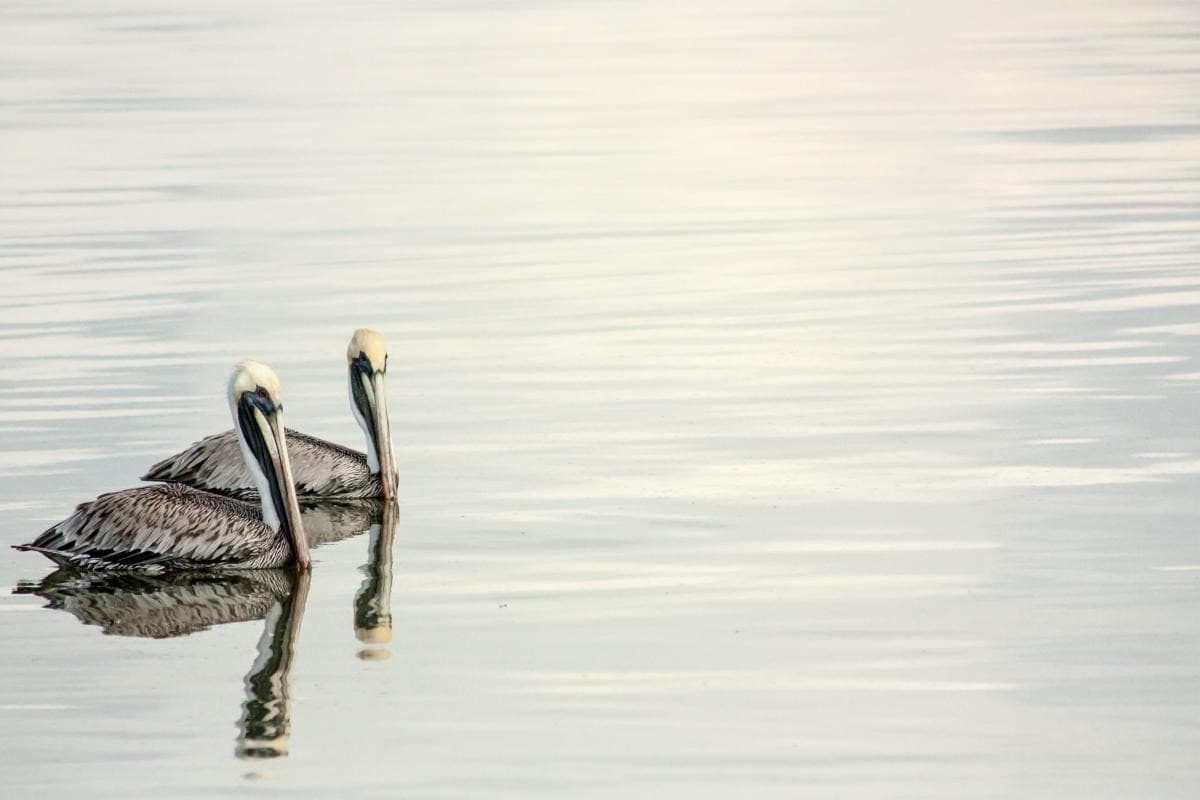
Geologically, Bermuda is a cap of limestone sitting on a volcanic seamount; Cooper’s Island displays the island’s layered history in a handful of steps—limestone pavements, fossilized shells, and the shallow reefs that fringe the shoreline. These reefs shelter calm lagoons and shallow bays, creating excellent conditions for snorkeling and easy swimming when the Atlantic decides to be polite. Ecologically, the reserve is important for shorebirds and migratory species; the shallow flats and salt marshes are feeding stations on long flights north and south. Seabirds quarter the sky in spring and fall, and if you time your visit right you’ll watch them work the thermals like clockwork.
The experience here is intentionally low-key, which is the point. Visitors arrive most commonly as part of a wider East End or beach-hopping itinerary—one of the local small-group or private tours will drop you at Turtle Bay or adjacent coves and let you explore with a brief orientation. There are several bookable experiences that pair well with Cooper’s Island: multi-stop beach-hop tours that include John Smith’s Bay and Clearwater Beach, private East End excursions that tailor stops and walking time to your group, and full-day sightseeing loops that put Cooper’s Island in the context of Bermuda’s eastern coastline. Each option lets you trade the curated ease of a guided overhaul for the slow rewards of wandering the reserve at your own pace.
What makes Cooper’s Island special is its scale and temperament. It’s not a manicured resort beach or a dramatic volcanic cliff; it’s a close-to-nature coastline where the tide pools hide fiddler crabs, where old concrete pads speak to a stranger chapter of history, and where small coves offer a sense of solitude without the need for a long hike. That mix—accessible, coastal, wildlife-rich—makes it perfect for families, casual hikers, birders, and snorkelers who want to layer a little nature into a Bermuda beach day.
Practicalities matter here. Trails are short but exposed—bring sun protection and water. If you’re snorkeling, aim for calmer days and check local conditions; currents can intensify on the south-facing faces. Photography is best in the soft hours: low morning light will make the pink sand and pale limestone sing, while late afternoon pulls warm tones from the rock.
How to plan a day: many visitors combine a Cooper’s Island stop with a beach hop that takes in several eastern coves. Choose a tour that includes time to explore shoreline tide pools; if you prefer to self-direct, start early from St. George’s, walk the coastal paths, and plan a picnic. Respect nesting areas and keep a close eye on kids near cliffs or drop-offs. For a splash of local culture, tie the visit to a stop in historic St. George’s for Bermudian fish chowder or a rum-smoothed lunch—Bermuda’s culinary flavors feel at ease with this coastal pace.
On a practical level, wear footwear that can handle limestone and sand, carry a reef-safe sunscreen, and bring a lightweight dry bag for your electronics—spray and surprise waves are part of the language here. If your aim is snorkeling, choose a guided beach-hop that includes a knowledgeable local guide; they’ll point out sheltered snorkel spots and help you read tides and marine life patterns. For families or older travelers, a private East End excursion provides flexibility and the option to limit walking while still sampling the natural highlights.
Cooper’s Island is small enough that it rewards the kind of attention that big places often bury—an hour’s patient exploration of a tidal flat can yield more memorable moments than a frantic day of box-checking. You come for the water and the sand, but you leave with an appreciation of how subtly place and history overlap here: the lines between natural rhythm, military past, and present-day leisure are thin, and that’s part of the island’s appeal. It’s not a dramatic, headline-making landscape; it’s a calm, confident coastline that keeps its best impressions for those who move a little slower.
Whether you arrive on a beach-hop with a guide ready to point out hidden coves, or you park your towel near a tidal pool and listen to gulls argue with the wind, Cooper’s Island invites a particular kind of travel—one that values clarity, proximity to the ocean, and an easy exchange with the natural world. Prepare practically, go curious, and let the Atlantic’s tempo set how fast you explore.
Trail wisdom
Small choices, better day.
Respect nesting areas
Keep distance from shorebird nesting zones during spring and summer—observe with binoculars or long lenses to avoid disturbance.
Bring reef-safe sunscreen
Bermuda protects marine life—use mineral-based sunscreen to prevent reef damage and carry a biodegradable lip balm.
Watch tides and currents
Check a tide chart before snorkeling; exposed reef and channels can create strong currents on south-facing stretches.
Footwear for limestone
Wear sturdy sandals or lightweight trail shoes for walking on uneven limestone and sharp shells.
Local knowledge
Read the place, not just the route.
Watch for native species including royal tern, heron species (e.g., great blue heron).
Keep an eye out for wildlife during the transition between areas and habitats. Respect distance guidelines.
The reserve is managed with an eye toward protecting shorebird habitats and coastal ecosystems—staying on designated paths helps minimize disturbance to nesting birds and fragile vegetation.
Follow the guide's instructions on size limits, ethical handling, and leave-no-trace practices.
Tidal pools on the west-facing coves—excellent for close-up marine life observation at low tide. Old concrete remnants from former tracking stations—subtle historical markers blended into the landscape
Locally recommended viewpoints and quiet spots known best to local operators.
Cooper's Island was partially used for U.S. military and NASA facilities in the 20th century; much of the land has since been repurposed for public conservation and recreation.
Maritime roots and regional tradition shape the waterways and working coasts.
Seasonal guide
Four versions of the same landscape.
Spring
Best formigratory birdwatching · mild-weather walks · early-season snorkeling
Challengesunpredictable showers · cooler mornings
Spring brings migrating shorebirds and calmer visitor numbers; expect breezy mornings and excellent birding along the flats.
Summer
Best forswimming and snorkeling · long daylight beach-hops · picnics
Challengesstrong sun · occasional rougher Atlantic surf
Summer is peak beach and snorkel season—warm water and long days make it ideal, but plan for sun protection and check surf advisories.
Fall
Best forcalmer seas · photography · late migrations
Challengessporadic storms · variable sea temperatures
Fall often delivers warm, clear water and softer light; it’s quiet after summer crowds but watch for tropical disturbances.
Winter
Best forcoastal walks · storm-watching · photography
Challengescooler winds · limited snorkeling opportunities
Winter is best for brisk walks and dramatic skies; swimming is less appealing but the reserve’s mood is striking for landscape photos.
Pack with intention
What to bring.
Good to know
Common questions.
Yes—Cooper's Island is reachable from St. George's and other eastern locations by local buses or as stops on many East End and beach-hop tours; private tour options can provide direct drop-offs.
Plan the edges
The details that make the day easier.
Cooper's Island contained U.S. Navy and later NASA tracking facilities; portions of the land were returned to Bermuda and converted to public reserve space in the late 20th century.
Stop in nearby St. George's for Bermudian fish chowder, fresh seafood, and rum-based cocktails; friendly locals and small shops make for a relaxed post-beach pause.
- Closest hub
- St. George's (10–15 minute drive); Facilities: minimal; Best access: guided East End or beach-hop tours or self-drive; Safety: watch tides and currents; Respect wildlife seasonal closures.
Stick to marked paths, avoid disturbing nesting birds, use reef-safe sunscreens, and carry out all trash to protect fragile coastal and marine habitats.
Explore by topic
Follow the threads.
Keep exploring
Make the story part of the trip.
 Related story
Less than two hours from Nairobi, Kereita Forest pairs hands-on canopy adventure with quiet montane trails and a sobering colonial history—perfect for families, teams, and curious travelers seeking a full-day pulse of nature.
Set out from Bass Harbor for a private, customizable day on Blue Hill Bay — lighthouses, puffins, seals, and the chance to feel Acadia from the water. Small groups, local captains, unforgettable views.
In four hours you can move from shaded canyon ferns to wind-scoured coastal ridgelines, guided by someone who knows where the light—and the hidden views—live. This private half-day hike on the Monterey Peninsula or Big Sur is compact, curated, and perfect for travelers who want depth without a multiday commitment.