
What the day feels like
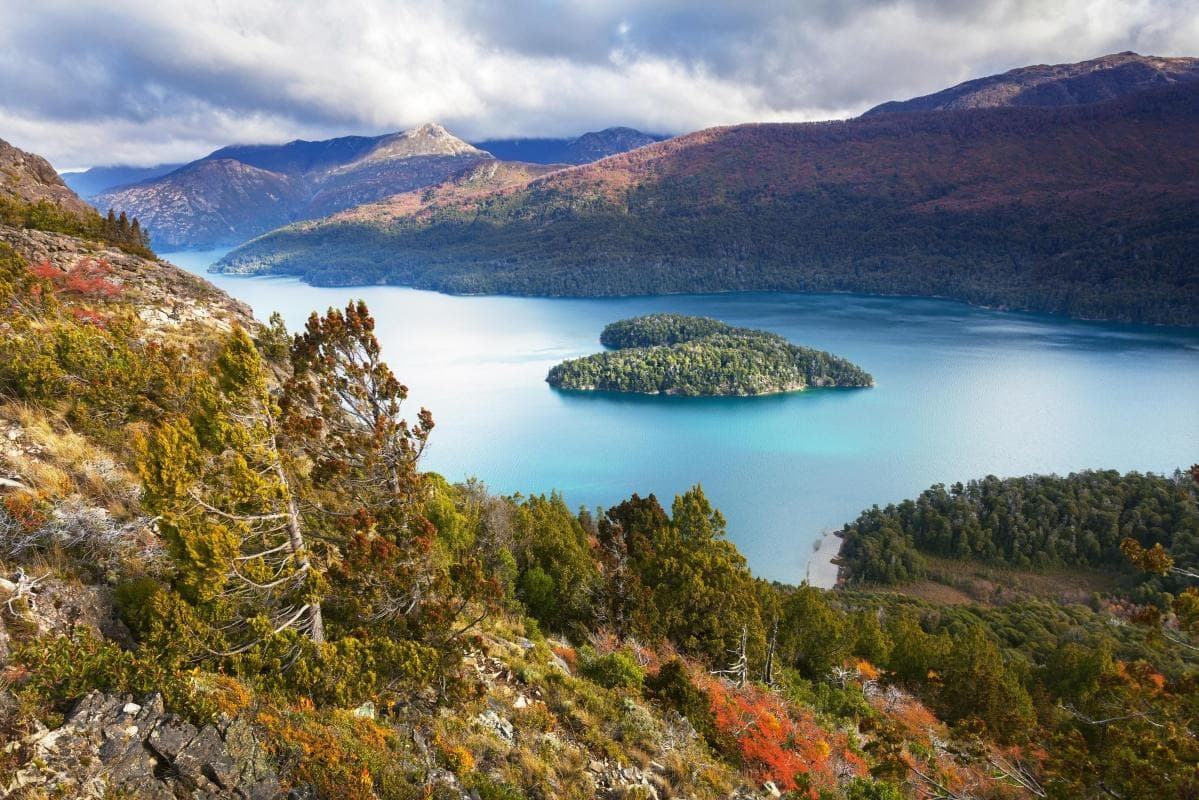
At first light the lake looks like glass—so still the mountains seem to hang below the horizon rather than above it. A ribbon of mist rises from the tree line and the piñon and coihue forest breathe out cold, resinous scent. On the western shore, a narrow gravel spit points into the water and the only movement is the soft lap of wavelets that the wind dares to push against the rocks. This is Lago Mascardi: a calm, clear body of water threaded into the spine of Nahuel Huapi National Park and a hinge between Bariloche’s easy roadside lakes and the raw, glacier-carved country of Cerro Tronador.
Mascardi doesn’t announce itself the way Nahuel Huapi or Gutiérrez do; it’s quieter, honest about what it is—a mountain lake shaped by ice and time, hemmed in by forests and peaks that still feel largely unmanipulated by tourism. That low profile is why the Three Lakes Circuit that skirts Mascardi’s arms rewards you: the route stitches together shorelines and forests, brings you to a watershed that was important to the mapping of Argentine Patagonia, and acts as a gentle gateway to the big-day monument that is Tronador and its black glacier, the Ventisquero Negro.
Geology and history are everywhere here if you know where to look. Mascardi occupies a basin gouged by Pleistocene glaciers; the steep cirques and moraine ridges on the horizon are their fingerprints. Up-valley, Cerro Tronador still drops ice—hanging glaciers that crack and calve with a sound locals say resembles thunder, hence the name. That glacial melt heads toward the Manso River system that eventually threads westward across the Andes to Chile, a hydrological reminder that this place sits at the continental seam.
Culturally the lakeside is layered: the Mapuche people first tended this land and their placenames and seasonal use of the lakeside persist in local toponymy. Later, pioneers and small agricultural settlements put down roots on the flatter valleys. In the 1960s and ’70s a countercultural wave settled into nearby El Bolsón, leaving behind artisan markets and the region’s well-known jam-and-beer culture—an approachable, human-scale complement to the granite-and-ice drama.
Why visit Mascardi? It offers a concentrated sample of Patagonian variety within easy reach of Bariloche. The Three Lakes Circuit links Lake Guillelmo, the mouth of Mascardi and Lake Gutiérrez in a single day, with short forest walks and a watershed viewpoint that explains the region’s hydrology and human geography. From the north shore, tours and self-drives climb toward Pampa Linda and the foot of Cerro Tronador—where the black glacier is visible and the alpine winds sing through the lenga trees. And for those who want a milder splash of adrenaline, the Manso River lower section offers family-friendly rafting that pairs whitewater with river beaches and swimming pools.
How it plays out on the ground: the Three Lakes Circuit is a road-and-trail loop you can do in a half- to full-day depending on stops. Expect paved and gravel driving on Route 40, short shore walks through beech and coihue, and an interpretive stop at the watershed that’s a compact primer on Patagonian geography. The Cerro Tronador day trips are longer—plan a full day, early start, and a good chunk of unpaved mountain driving. At Pampa Linda you’ll stretch your legs on easy-to-moderate trails to viewpoints of the Ventisquero Negro; the terrain here is alpine meadow, moraine, and compact volcanic scree closer to the summit.
Practical nuts and bolts: footwear should be sturdy hiking shoes with good grip—roots and wet rocks are common on strolls around the lake and in the forest. Weather changes fast; a breathable waterproof jacket and layers are essential. Bring water and snacks; services are limited once you leave Bariloche. If you’re visiting in summer, start early to avoid afternoon winds and the worst of the tourist flow. For Cerro Tronador trips expect roughly 2–2.5 hours of driving from Bariloche each way and light-to-moderate walking at Pampa Linda; guided trips supply transport and local knowledge and are a good choice if you prefer less planning.
Safety and conservation matter here. Trails are generally straightforward but can be slippery after rain; stick to marked routes and avoid disturbing shoreline vegetation. The Nahuel Huapi park authority regulates camping and motorized use—follow signage, pack out trash, and prefer low-impact options. Wildlife sightings are possible—andean condors and foxes are visible with luck—so give animals space and never feed them.
Timing your visit: late January through February gives you long, warm days and stable access to Pampa Linda, while shoulder seasons deliver fewer people and crisp, color-rich landscapes. Winter turns the road toward Tronador into a snow route requiring chains or 4x4, and several higher trails may be closed.
Mascardi is not about conquering a single peak. It’s a layered place—lakeside calm, forest walks, watershed viewpoints, the high-note visitable drama of Tronador. Use the Three Lakes Circuit as an accessible sampler and book a full-day Tronador excursion if you want glacier proximity without technical climbing. Combine either with a gentle raft on the Lower Manso for a balanced Patagonian day: forest, water, and a dash of river speed.
What you’ll remember is the scale: the lake’s quiet that makes nearby thunder of cracking ice feel intimate, the way the forest closes in and then opens to a wide-mouthed vista, and the people—local artisans at El Bolsón, guides who can point to a hidden waterfall or explain how the watershed shaped settlement and movement across this part of Patagonia. For a traveler based in Bariloche who wants a concise but deep encounter with Patagonian landscapes, Mascardi gives you the landscape grammar without the slog—just bring the right layers, a good map, and patience for early-morning light.
Trail wisdom
Small choices, better day.
Start at dawn
Morning delivers the best light for the lake’s glassy surface and calmer winds for photography and shore strolls.
Layer for changeable weather
Bring a breathable waterproof shell and warm midlayer—temperatures and wind can swing quickly, even in summer.
Respect the shoreline
Stick to marked paths and avoid trampling lakeside vegetation; it helps prevent erosion and preserves shore habitats.
Carry cash and snacks
Services around Mascardi are limited—pack food, water, and small Argentine pesos for remote kiosks or entry fees.
Local knowledge
Read the place, not just the route.
Watch for native species including Andean condor, South Andean deer (huemul) and foxes.
Keep an eye out for wildlife during the transition between areas and habitats. Respect distance guidelines.
Visitors should follow park rules: stay on trails, pack out waste, and avoid motorized disturbance of shoreline habitats to protect fragile alpine and aquatic ecosystems.
Follow the guide's instructions on size limits, ethical handling, and leave-no-trace practices.
The watershed viewpoint on the Three Lakes Circuit—small but rich in geography and history. Short forest walks to the mouth of Mascardi and the quiet western bays away from main parking areas
Locally recommended viewpoints and quiet spots known best to local operators.
Mascardi sits within Nahuel Huapi National Park; local place names reflect Mapuche presence and the watershed played a role in Patagonian mapping and settlement.
Maritime roots and regional tradition shape the waterways and working coasts.
Seasonal guide
Four versions of the same landscape.
Spring
Best forwildflowers · birdwatching · fewer crowds
Challengesvariable weather · muddy trails
Spring (Sept–Nov) brings meltwater and wildflowers; expect cool mornings and variable trail conditions as snow recedes.
Summer
Best forfull access to Pampa Linda · swimming and rafting · long daylight
Challengesafternoon winds · more visitors
Summer (Dec–Feb) is the most accessible season for Tronador trips and water activities, but start early to avoid wind and crowds.
Fall
Best forautumn color · crisp hiking days · good light for photos
Challengesshorter days · possible early snow at elevation
Fall (Mar–May) offers vivid lenga and coihue color, cooler nights, and excellent visibility for mountain vistas.
Winter
Best forsnow scenery · quiet trails · photography of frozen lakes
Challengesroad closures · need for chains or 4x4
Winter (Jun–Aug) transforms the area into snow country—roads to higher points may require chains and some trails will be closed.
Pack with intention
What to bring.
Good to know
Common questions.
Drive south on Avenida Bustillo and onto National Route 40; the Three Lakes Circuit and access roads to Pampa Linda are signposted—allow 30–90 minutes depending on your exact stop.
Plan the edges
The details that make the day easier.
Mascardi Lake is inside Nahuel Huapi National Park and its outflow contributes to the Manso River system that crosses the Andes toward Chile.
Pair your visit with a stop in El Bolsón for artisan jams, local craft beers and an open-air market tradition that dates to the 1960s counterculture wave—an approachable taste of Patagonian local life.
- Access
- 30–120 min drive from Bariloche; Difficulty: easy to moderate; Permits: park rules apply; Services: limited beyond Bariloche—carry supplies.
Stick to established trails, avoid bringing single-use plastics, and hire local guides or operators who contribute to park conservation and community economies.
Explore by topic
Follow the threads.
Keep exploring
Make the story part of the trip.
 Related story
Less than two hours from Nairobi, Kereita Forest pairs hands-on canopy adventure with quiet montane trails and a sobering colonial history—perfect for families, teams, and curious travelers seeking a full-day pulse of nature.
Set out from Bass Harbor for a private, customizable day on Blue Hill Bay — lighthouses, puffins, seals, and the chance to feel Acadia from the water. Small groups, local captains, unforgettable views.
In four hours you can move from shaded canyon ferns to wind-scoured coastal ridgelines, guided by someone who knows where the light—and the hidden views—live. This private half-day hike on the Monterey Peninsula or Big Sur is compact, curated, and perfect for travelers who want depth without a multiday commitment.