
What the day feels like
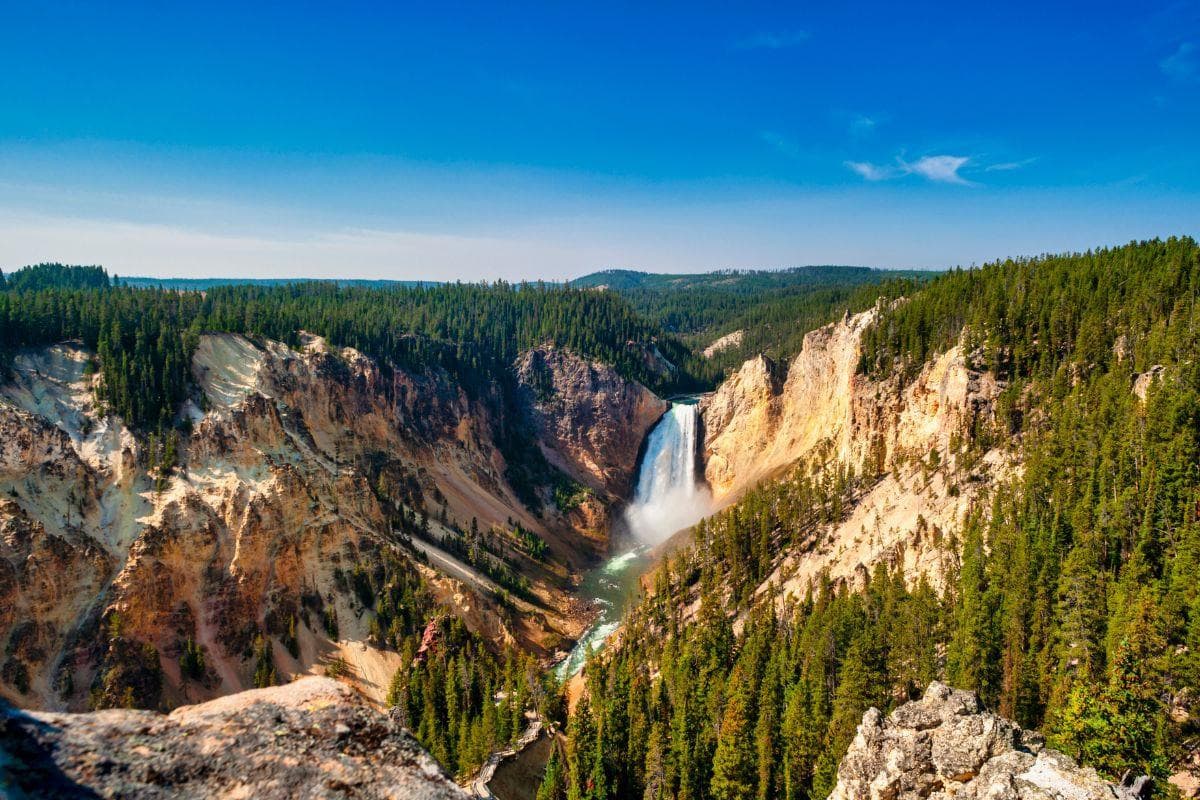
By the time the first light finds the rim the canyon is already awake. Mist rises from the Yellowstone River, a pale shawl over the dark water, and the Lower Falls—308 feet of white thunder—seems to inhale before it exhales again. A breeze combs through lodgepole pines and carries the faint sulfur-smell of the park’s hydrothermal heart. Walk close to the edge at Artist Point and the canyon’s walls light up: ochre, rust and sunflower yellow streak the broken rhyolite like weathered paint. It’s easy to feel the place is alive in both a geological and a conversational sense, as if the rock remembers every eruption, every glacier, every river’s passage.
The Grand Canyon of the Yellowstone is one of Yellowstone National Park’s most dramatic classroom lessons in fire, water and time. Unlike the desert canyons carved slowly from sandstone, this canyon is sculpted from volcanic rock altered by hydrothermal fluids. Hot water and gases leached iron and sulfur from the rhyolite, creating those vivid colors; then the Yellowstone River, impatient and relentless, cut the gorge deeper and exposed the palette. The result is a steep-walled amphitheater with viewpoints that read like postcards—Artist Point, Lookout Point, and the brink of both Upper and Lower Falls—each offering different angles on the same restless river.
Human history here is short but layered. Indigenous people have walked these landscapes for millennia; later Euro-American trappers and explorers wrote awed dispatches that helped spark the movement to protect this land. When Yellowstone became the world’s first national park in 1872, the canyon and its falls were understood as both spectacle and science: evidence that the park was not merely pretty but geologically unique. Park rangers and naturalists since then have kept careful watch, balancing access and preservation so visitors can experience the canyon without erasing its fragile features.
How to experience the canyon depends on how close you want to be to the action. For hikers who want to stretch legs and linger by the river, the Grand Canyon Rim and Loop Hike with Lunch is a smart option: it’s a loop that follows the rim and drops through forest to meadows and lakes, with a knowledgeable guide navigating junctions and unmarked turns. If your day is carved from a larger itinerary—or you want a tailored pace—the Private Full-Day Grand Canyon of Yellowstone Hiking Adventure offers customization and quieter windows for observation, avoiding peak crowd times and focusing on the best viewing platforms and lesser-known stretches of trail.
For shorter visits and big-picture context, several full-day and multi-loop tours incorporate the canyon with other park highlights. The Yellowstone Lower Loop Full-Day Tour and Yellowstone National Park Tour from Jackson Hole are designed to fold the canyon into a landscape narrative that includes geysers, hot springs and lakes—useful if your time is limited and you want a curated sample of Yellowstone’s contrasts.
Practicalities: trails around the canyon vary from easy boardwalk overlooks to more demanding rim hikes with exposed sections and rocky footing. Expect elevation changes and variable weather—summer days can shift from sunny to windy showers in an hour. Wear sturdy hiking boots, carry at least 2 liters of water, and bring layers; even in August evenings can be cool. Wildlife is part of the experience here: bison and elk graze in nearby meadows, and raptors hunt thermals above the gorge. Keep a respectful distance from all wildlife and never attempt to approach or feed animals.
Timing matters. Early morning and late afternoon bring lower light that renders the canyon’s colors with richer contrast and fewer visitors at the major overlooks. Fall—late August into September—offers clearer air and cooler hiking conditions, as well as the first flush of golden aspens. Winter closes some roads and changes the rhythm of the place entirely; guided snowcoach or snowmobile tours through the park present an intimate, if different, canyon experience.
On the practical side, prioritize safety: stay on marked trails and behind railings at overlooks; the canyon’s edges are unstable in places. If you’re joining an organized outing—consider the Grand Canyon of the Yellowstone Day Hike or the Grand Canyon of the Yellowstone Rim and Loop Hike with Lunch—the guides provide context, route choices and often spotting scopes for long-distance wildlife viewing. For photographers, the canyon rewards patience—arrive prepared with a telephoto for compressed canyon shots and a wide-angle for the falls-plus-river compositions.
When you step back from the rim, the canyon’s real value shows: a place where geothermal force and erosive persistence meet, where color and motion remind you how active the Earth beneath our feet still is. It’s not a place to race through; the canyon wants attention. Its cliffs and flows will give it in return, if you slow down and listen.
Recommended experiences here—whether a guided rim hike, a private full-day hiking adventure, or a lower-loop sightseeing tour—are not merely routes but interpretive frames. They let you understand the canyon’s story: volcanic fury, hydrothermal chemistry, water’s patient will. Come for the view, stay for the geology, and leave knowing the river will keep rewriting the cliff-face long after you’re gone.
Trail wisdom
Small choices, better day.
Early light is best
Arrive at Artist Point or Lookout Point at sunrise to avoid crowds and see the canyon’s colors at their richest.
Keep your distance from wildlife
Hayden and nearby valleys are active wildlife corridors—use binoculars and stay at least 100 yards from bears and wolves, 25 yards from other large mammals.
Footwear and footing
Wear sturdy, grippy hiking boots—rim trails can be rocky and slippery after rain.
Bring water and snacks
There are no services on trails—carry 2+ liters of water and a compact lunch for longer rim hikes.
Local knowledge
Read the place, not just the route.
Watch for native species including bison, bald eagle.
Keep an eye out for wildlife during the transition between areas and habitats. Respect distance guidelines.
Stay on established trails and boardwalks to protect fragile thermal features and prevent erosion; pack out all trash and follow park wildlife distancing rules to minimize human impact.
Follow the guide's instructions on size limits, ethical handling, and leave-no-trace practices.
Lookout Point at sunrise for softer crowds and layered light. Short spur trails behind Artist Point that reveal quieter river views
Locally recommended viewpoints and quiet spots known best to local operators.
The canyon’s dramatic colors result from hydrothermal alteration of rhyolite and the late-19th-century exploration and photography that helped secure Yellowstone’s protection as the world’s first national park.
Maritime roots and regional tradition shape the waterways and working coasts.
Seasonal guide
Four versions of the same landscape.
Spring
Best forwaterfall flow · wildflower displays · fewer crowds
Challengesslick trails · cold nights · possible late snow
Spring brings roaring runoff and early wildflowers, but trails can be muddy and some higher approaches may still hold snow.
Summer
Best forfull trail access · warm daytime hikes · integrated Lower/Upper Loop tours
Challengescrowds at major overlooks · thunderstorms in afternoons
Warm days and open access make summer ideal for rim hikes and guided outings, but expect peak-season visitation.
Fall
Best forclear skies and color · cooler hiking · fewer visitors
Challengesshorter daylight · cold nights · variable weather
Late summer into early fall offers the best light and clearer air—prime for photographers and longer hikes.
Winter
Best forsnowshoeing alternatives · snowcoach tours · quiet solitude
Challengesmany roads closed · extreme cold · limited services
Winter transforms the canyon; access is limited but specialized tours and snowcoach routes create a unique, quiet experience.
Pack with intention
What to bring.
Good to know
Common questions.
A typical rim loop through primary overlooks (Artist Point, Lookout Point, and parts of the South Rim Trail) can range from 2–6 miles depending on route and side trails.
Plan the edges
The details that make the day easier.
The Lower Falls of the Yellowstone River drops 308 feet—taller than Niagara Falls—and the canyon’s colors are caused by hydrothermal alteration of volcanic rock.
Canyon Village and nearby gateway towns like West Yellowstone and Gardiner offer classic Western lodges, hearty bison and elk dishes, and ranger-led evening programs—pair a canyon hike with a local rye whiskey tasting or a historic hotel meal for a full regional experience.
- Nearest services
- Canyon Village (in-park). Nearest gateway towns: West Yellowstone (MT, west entrance) and Gardiner (MT, north entrance). Park entrance fees apply; roads and conditions vary seasonally—expect 2–4 hours driving time from gateway towns depending on tour route.
Stick to trails and viewing platforms to protect thermal-altered rock and fragile soils; use refillable water bottles and respect wildlife viewing distances to minimize disturbance.
Explore by topic
Follow the threads.
Keep exploring
Make the story part of the trip.
 Related story
Less than two hours from Nairobi, Kereita Forest pairs hands-on canopy adventure with quiet montane trails and a sobering colonial history—perfect for families, teams, and curious travelers seeking a full-day pulse of nature.
Set out from Bass Harbor for a private, customizable day on Blue Hill Bay — lighthouses, puffins, seals, and the chance to feel Acadia from the water. Small groups, local captains, unforgettable views.
In four hours you can move from shaded canyon ferns to wind-scoured coastal ridgelines, guided by someone who knows where the light—and the hidden views—live. This private half-day hike on the Monterey Peninsula or Big Sur is compact, curated, and perfect for travelers who want depth without a multiday commitment.