
What the day feels like
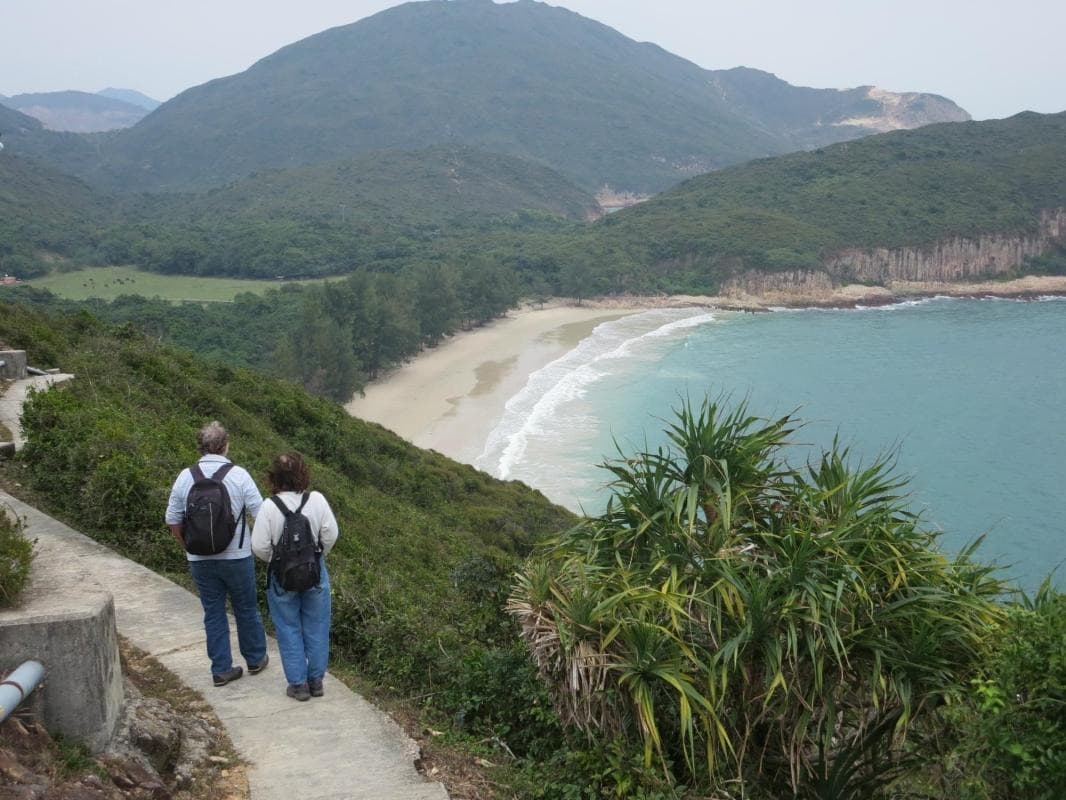
The first time you crest the ridge above Tai Long Wan in Sai Kung East Country Park, the land seems to exhale. A sweep of white sand lays like a held breath against the teal of the South China Sea; granite headlands jut with the blunt confidence of an ancient jawline; and behind you, the trail has threaded through bamboo, mangrove, and scrub that smells faintly of salt and old rain. This is Hong Kong that rarely appears on postcards—the raw edge of the territory where village life, geology and the sea meet with a surfer’s indifference to the nearby skyscrapers.
Sai Kung East Country Park is not a single trail so much as a collection of coastlines, ridgelines and coves that add up to a full day of possibilities. The most popular corridor—reached on guided outings like the Sai Kung Peninsula Paradise Beaches hike—unfolds in roughly 10 km of walking that stitches together tropical forest, mangroves and the four famous beaches of Tai Long Wan: Sai Wan, Ham Tin, Tai Long Wan proper and Tung Wan. Expect a mixture of wide sandy beaches and rocky headlands, a handful of traditional villages with weathered stone walls, and wildlife that peers as curiously at you as you do at it.
Geologically, Sai Kung is a study in contrasts: volcanic rock and resistant granites shaped by wind and sea into dramatic stacks and sea caves. The exposed rock formations here are part of what drew conservationists to protect the peninsula and establish country parks in the 1970s. That layered history—Hakka and fishing communities, colonial-era maps, and contemporary outdoor culture—still shows in the small seafood restaurants clustered by the piers and in the footpaths trodden by generations of residents.
Guided trips such as the Sai Kung Wild Beaches Adventure expand the palette: waterfalls hidden down gullies, unusual coastal rock formations, and the option to return by speedboat to cruise past the Hong Kong UNESCO Global Geopark outcrops—a reminder that the park isn’t only for walkers. For those who want the water as their highway, the Sai Kung SUP Adventure puts you on a board for two to four hours of paddling between beaches, exploring coves and getting close to the limestone islands that punctuate the harbor.
There’s a practical cadence to a day in Sai Kung East. If you’re hiking, start early to avoid the afternoon sun and to catch the beaches when they’re quietest. Bring at least two liters of water for a 10 km route—there are some shops and restaurants in the bays but small villages won’t always have what you need. Footing varies from compact dirt track to loose scree and occasional scrambling over granite; a pair of supportive trail shoes with good tread will make the ridge sections feel straightforward rather than fussy.
On the water, wind can change quickly in the afternoon, and currents around the headlands will test an unseasoned paddler. If you’re booking a SUP trip, look for operators who include a quick skills session, a leash, and life jackets. The best SUP excursions time the paddle for mid-morning when the sea is glassy and the light flatters the limestone—perfect for photographing the contrast between sea and stone.
Local culture is quiet but present: retired fishermen repairing nets, the red-tiled roofs of Hakka houses, and restaurants that will cook your catch with a light hand—garlic, soy and a squeeze of lime. Eat where the locals do; a lunch on a beachside restaurant after a morning’s hike is part of the ritual. It’s also a chance to support small businesses that keep the countryside alive.
Conservation is part of the story here. The marine environments around Sai Kung are fragile—coral communities and intertidal life take a beating when beaches are used thoughtlessly. Respect posted signs, avoid trampling dunes, and keep a distance from wildlife. Popular tourism experiences help fund local guides and sustainable access, but they also bring crowds; consider weekday visits or shoulder-season timing to reduce impact.
For practical planning: the town of Sai Kung is the natural base. Buses and minibuses run from urban Hong Kong, and ferries and speedboats operate from town piers for coastal approaches and GeoPark transfers. If you’re combining options—hiking then SUP, or hiking plus a speedboat geo-tour—book early and verify refund policies for weather. For footwear, water protection and a dry bag are non-negotiable; for evenings, the temperature can fall and the wind can sharpen, so a lightweight wind layer will keep you comfortable as the sun dips.
Coming to Sai Kung East Country Park is a humbling reminder that Hong Kong’s wild side is only a short ferry or bus ride from its glass towers. Whether you want a full-day coastal walk that threads beaches and forests, a waterborne exploration by SUP, or a speedboat sweep past a geopark’s rock sculptures, the park rewards curiosity and a steady pace. It’s an experience that makes the city’s proximity feel less like convenience and more like a gift—an accessible wilderness where the land still has a say in how you spend your day.
Trail wisdom
Small choices, better day.
Start early
Begin before 8 a.m. to avoid heat and crowds—mornings offer calmer seas for SUP and quieter beaches for hiking breaks.
Pack water and snacks
Bring at least 2 liters of water and energy-rich snacks—shops in bays are limited and cash-only at some beach restaurants.
Shoes for mixed terrain
Wear supportive trail shoes with grippy soles; expect dirt, scree and occasional wet rocks near streams and shorelines.
Check marine weather
If you plan a SUP or speedboat return, confirm wind and sea conditions—afternoon gusts commonly make paddling harder.
Local knowledge
Read the place, not just the route.
Watch for native species including black kites circling thermals, long-tailed macaques in seaward woodlands.
Keep an eye out for wildlife during the transition between areas and habitats. Respect distance guidelines.
The Hong Kong Country Parks and the adjacent marine parks protect terrestrial and marine habitats; visitors are encouraged to follow Leave No Trace principles to reduce erosion and protect coral communities.
Follow the guide's instructions on size limits, ethical handling, and leave-no-trace practices.
Ham Tin Wan beach—less crowded and excellent for sunrise. Sheung Luk Stream waterfall—seasonal cascades below the ridge (check accessibility)
Locally recommended viewpoints and quiet spots known best to local operators.
Sai Kung’s coastline has long been shaped by Hakka and fishing communities; many of the stone houses and piers still in use reflect that maritime heritage.
Maritime roots and regional tradition shape the waterways and working coasts.
Seasonal guide
Four versions of the same landscape.
Spring
Best forwildflowers and new foliage · moderate hiking conditions
Challengesintermittent rain · muddy trails after storms
Spring brings milder temperatures and green trails; expect occasional showers and muddy stretches—good trail boots and a light rain shell help.
Summer
Best forswimming and island hopping · SUP in calm mornings
Challengeshot sun and high humidity · typhoon season risk (Jul–Sep)
Summer is prime for beach swimming and SUP but prepare for heat, sun exposure and the possibility of storms—avoid the hottest midday hours.
Fall
Best forclear skies and calmer seas · comfortable hiking
Challengesshorter daylight hours as season progresses · popular with weekend crowds
Autumn is the ideal window: stable weather, clear water for paddling, and crisp trail conditions—visit on weekdays to avoid crowds.
Winter
Best forcold-weather coastal treks · birdwatching on clear days
Challengescooler winds off the sea · less inviting for swimming
Winters are mild but breezy; the sea is cold for swimming, yet the light is excellent for landscape photography and quieter trails.
Pack with intention
What to bring.
Good to know
Common questions.
Take the MTR to Choi Hung or Hang Hau and transfer to a bus or minibus to Sai Kung town; from Sai Kung pier you can join boat transfers to remote trailheads or beaches.
Plan the edges
The details that make the day easier.
Tai Long Wan within Sai Kung East Country Park contains four distinct beaches (Sai Wan, Ham Tin, Tai Long Wan and Tung Wan) and is frequently cited as some of Hong Kong’s cleanest and most scenic coastline.
Sai Kung town is famed for its seafood—sit at a waterfront dai pai dong for fresh grilled fish and clams; the town’s relaxed pace and weekend market atmosphere contrast sharply with the city skyline and reflect the area’s fishing-village roots.
Use reef-safe sunscreen, avoid stepping on coral and intertidal zones, and take all trash back to town; choose licensed operators with clear environmental guidelines for boat and SUP trips.
Explore by topic
Follow the threads.
Keep exploring
Make the story part of the trip.
 Related story
Less than two hours from Nairobi, Kereita Forest pairs hands-on canopy adventure with quiet montane trails and a sobering colonial history—perfect for families, teams, and curious travelers seeking a full-day pulse of nature.
Set out from Bass Harbor for a private, customizable day on Blue Hill Bay — lighthouses, puffins, seals, and the chance to feel Acadia from the water. Small groups, local captains, unforgettable views.
In four hours you can move from shaded canyon ferns to wind-scoured coastal ridgelines, guided by someone who knows where the light—and the hidden views—live. This private half-day hike on the Monterey Peninsula or Big Sur is compact, curated, and perfect for travelers who want depth without a multiday commitment.