
What the day feels like
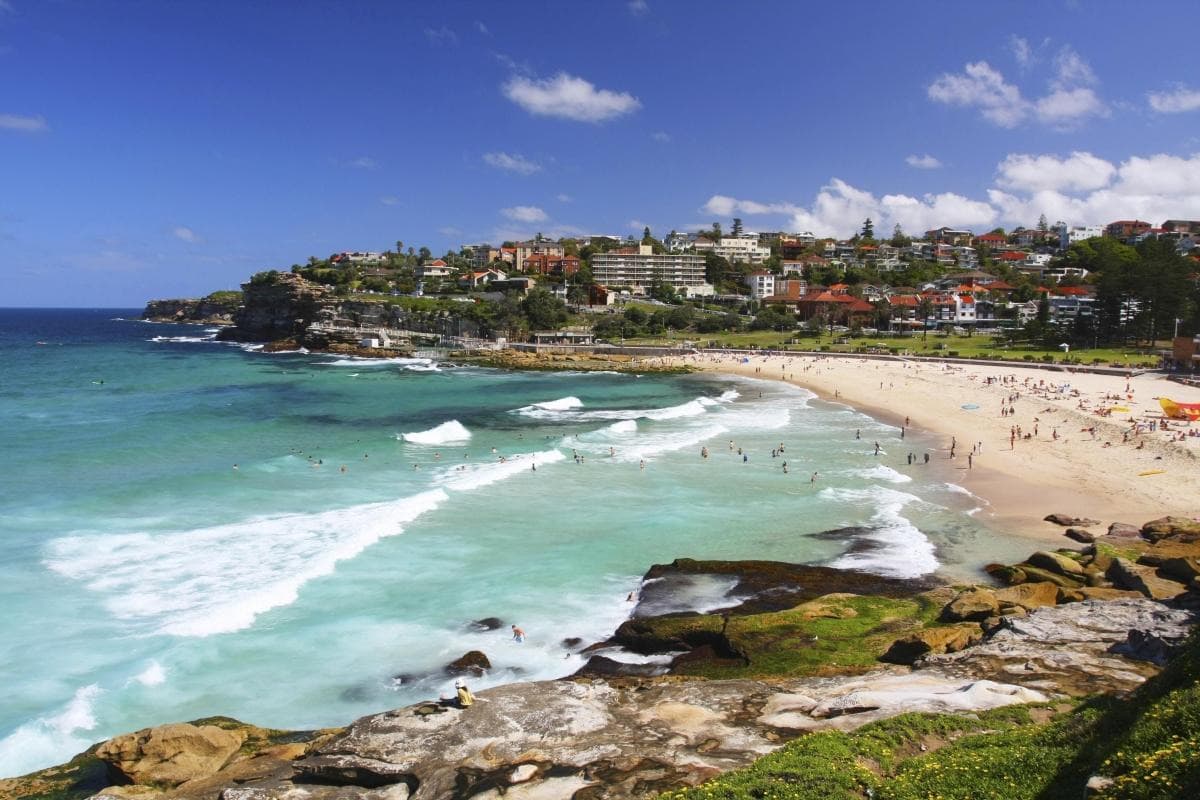
You set off from Bondi Beach before the world fully wakes. The treadmill of the Esplanade — runners, dog walkers, groggy café staff — thins as the path rounds the headland. Salt slaps the air with the blunt authority of a morning alarm. Beneath your feet the trail is mostly paved, punctuated by stone steps hewn into sandstone. To your left, the ocean unrolls in a sequence of blues so vivid it seems deliberate. To your right, patches of sculpted scrub cling to the cliffs like stubborn green paint. The Bondi to Coogee Beach Coastal Walk doesn’t demand feats of mountaineering; it asks for attention: to the movement of waves, the way light finds the ice-blue mosaic of a rock pool, the sudden hush of a shady headland.
At roughly six kilometers end-to-end, this is a cliff-top promenade that reads like an open-air short story of Sydney’s eastern suburbs. Start at Bondi, pass the veteran rectangle of Bondi Icebergs — its winter-swimming rituals as much a local ritual as Sunday brunch — and thread along to Tamarama, Bronte and its tidy pool, Waverley Cemetery’s Victorian stones, and the lesser-known Aboriginal rock carvings at Marks Park, before easing into Coogee’s broad bay and the convivial Coogee Bay Hotel. Walk it slowly and it becomes a layered conversation: geology whispering its age in sandstone ribs; colonial history scrawled in fences and headstones; contemporary beach culture broadcasting in surfboards and cafés; and an older, Aboriginal presence, still present in place names and petroglyphs.
Geologically, the cliffs are sandstone — soft, eroded, carved by wind and water into ledges and indentations that make for dramatic vantage points. Weather and tides have shaped natural rock pools that double as swimming sanctuaries: Tamarama and Bronte’s pools are functional art, their surfaces reflecting sky with seawater skin. Culturally, the route threads together a cross-section of Sydney life: lifesavers on their towers scanning the swells, locals slipping into wetsuits, and university students cramming for exams in café corners. Bondi itself has evolved from an early 20th-century bathing place into an internationally recognized beach icon. Icebergs, established in 1929, is both club and marker — an old-school swim club where tradition and current-forward fitness meet.
There’s also an Indigenous history often left to quiet corners of the trail. Marks Park is home to carved rock figures and headlands that were part of coastal Songlines, long before colonization. A respectful, attentive walk recognizes these layers: the trail is not only a recreational commodity but an ancestral coastal corridor.
Practically: the walk is about 6 km one-way with intermittent elevation changes and many stairs — expect 2–3 hours at a relaxed pace, longer if you linger for swims, coffee, or the lifeguard shows at Tamarama. Terrain alternates between paved promenade, compact trail, and rocky staircases; footwear with good grip is advised. Start early to avoid peak crowds and afternoon northerly winds that can pick up spray and sand. Public transit links are straightforward: buses and light rail connect central Sydney and Bondi Junction, with frequent shuttles to Bondi Beach; Coogee is similarly served, or you can take a return bus from Coogee back to the city.
Options for experiencing the route range from guided to private to self-led. If you want the cultural and geological context handed to you with a bottle of water and a local’s anecdotes, consider a guided coastal walk that includes lunch at Coogee Bay Hotel. Private guides can tailor stops — from Icebergs to secret bird-watching ledges — while short walking tours focus on Bondi’s backstreets and surf culture. For independent travelers, plan your coffee and swim stops ahead: the trail has public toilets and water fountains at major beaches, but they can be busy on weekends.
Safety is straightforward but important: tides, sun, and exposed edges demand respect. Keep to the marked path; do not turn onto rocky foreshore areas at high tide. If you plan to swim in ocean pools, check conditions posted by lifeguards; many pools are safest at low-to-mid tide. Carry sun protection year-round — Sydney sun is direct and quick to burn.
Why walk it? Because it’s an accessible sequence of contrasts — cliff and cove, carved rock and manicured lawn, a centuries-old ocean and modern café culture. It’s a short day out with the feel of a pilgrimage: small, social, elemental. Whether you’re a first-time visitor to Sydney or a local seeking a regular refresh, Bondi to Coogee hands you a coastline that’s candid, photogenic, and remarkably walkable. And if you want the story wrapped for you — the history, the local tips, a sit-down lunch at the end — guided experiences are abundant and sharply tuned to the route’s rhythms.
Trail wisdom
Small choices, better day.
Start early for light and space
Begin at sunrise or early morning to enjoy softer light, fewer crowds, and calmer winds on exposed headlands.
Footwear matters
Use grippy, supportive shoes — the path has stairs and uneven rock sections that can be slippery when wet.
Hydrate and shade up
Carry a reusable water bottle and wear a hat and SPF; shade is intermittent between beaches.
Plan transport back
Buses run between Coogee and the city, but timetables vary — check the local schedule or book a return transfer if timing is tight.
Local knowledge
Read the place, not just the route.
Watch for native species including Silver gulls and pied cormorants, Occasional dolphins offshore during calmer seas.
Keep an eye out for wildlife during the transition between areas and habitats. Respect distance guidelines.
Stick to marked paths to protect fragile cliff vegetation and avoid trampling dune grasses; use refillable bottles to reduce plastic waste.
Follow the guide's instructions on size limits, ethical handling, and leave-no-trace practices.
The lower Waverley Cemetery headland for quiet sunset views. Tucked-away rock pools at Bronte that locals use for laps
Locally recommended viewpoints and quiet spots known best to local operators.
Bondi’s Icebergs swim club dates to 1929; the beach and nearby headlands have long been part of Sydney’s bathing and surf culture.
Maritime roots and regional tradition shape the waterways and working coasts.
Seasonal guide
Four versions of the same landscape.
Spring
Best forWildflower blooms · Mild walking temperatures · Photography at golden hour
ChallengesUnpredictable showers · Occasional windy days
Spring offers mild conditions and coastal wildflowers; bring a light waterproof and plan for variable wind.
Summer
Best forBeach swims · Long daylight hours · Vibrant café culture
ChallengesHigh UV and crowds · Hot midday temperatures
Summer is peak for swimming and people-watching; start early, hydrate, and avoid the hottest midday sun.
Fall
Best forCrisp, clear days · Less crowded trails · Good surf viewing
ChallengesCooling evenings · Shortening daylight
Autumn delivers stable weather and fewer crowds — ideal for a full relaxed walk with good light late in the day.
Winter
Best forWinter ocean swims at Icebergs · Dramatic low-angle light · Brisk, invigorating air
ChallengesCooler water temperatures · Stronger winds and larger seas
Winter promises dramatic seas and clear skies; ocean swims at Icebergs are an iconic cold‑water tradition but dress warmly afterward.
Pack with intention
What to bring.
Good to know
Common questions.
The route is about 6 kilometres one-way; plan 2–3 hours at a steady pace, longer with stops for swimming or photos.
Plan the edges
The details that make the day easier.
The Bondi Icebergs Club was established in 1929 and its ocean pool has been a winter-swimming tradition and iconic photo subject for nearly a century.
Bondi and Coogee balance surf culture with café life: expect excellent espresso, seafood and fish-and-chips, weekend markets, and a community that mixes fitness with laid-back coastal living.
- Distance
- ~6 km one-way • Time: 2–3 hours • Start: Bondi Icebergs
- Bondi Beach • Finish
- Coogee Bay • Transport: regular buses
- light rail to Bondi Junction + bus; free to walk • Cost
- free (guided tours available for a fee).
Use refillable bottles, stick to the marked path to protect native vegetation, and dispose of waste in provided bins; support local conservation groups by choosing responsible tour operators.
Explore by topic
Follow the threads.
Keep exploring
Make the story part of the trip.
 Related story
Less than two hours from Nairobi, Kereita Forest pairs hands-on canopy adventure with quiet montane trails and a sobering colonial history—perfect for families, teams, and curious travelers seeking a full-day pulse of nature.
Set out from Bass Harbor for a private, customizable day on Blue Hill Bay — lighthouses, puffins, seals, and the chance to feel Acadia from the water. Small groups, local captains, unforgettable views.
In four hours you can move from shaded canyon ferns to wind-scoured coastal ridgelines, guided by someone who knows where the light—and the hidden views—live. This private half-day hike on the Monterey Peninsula or Big Sur is compact, curated, and perfect for travelers who want depth without a multiday commitment.